In-Depth Product Analysis for Informed Consumer Choices

Best 5 Night Vision Binoculars of 2026
Clear Night Viewing and Recording
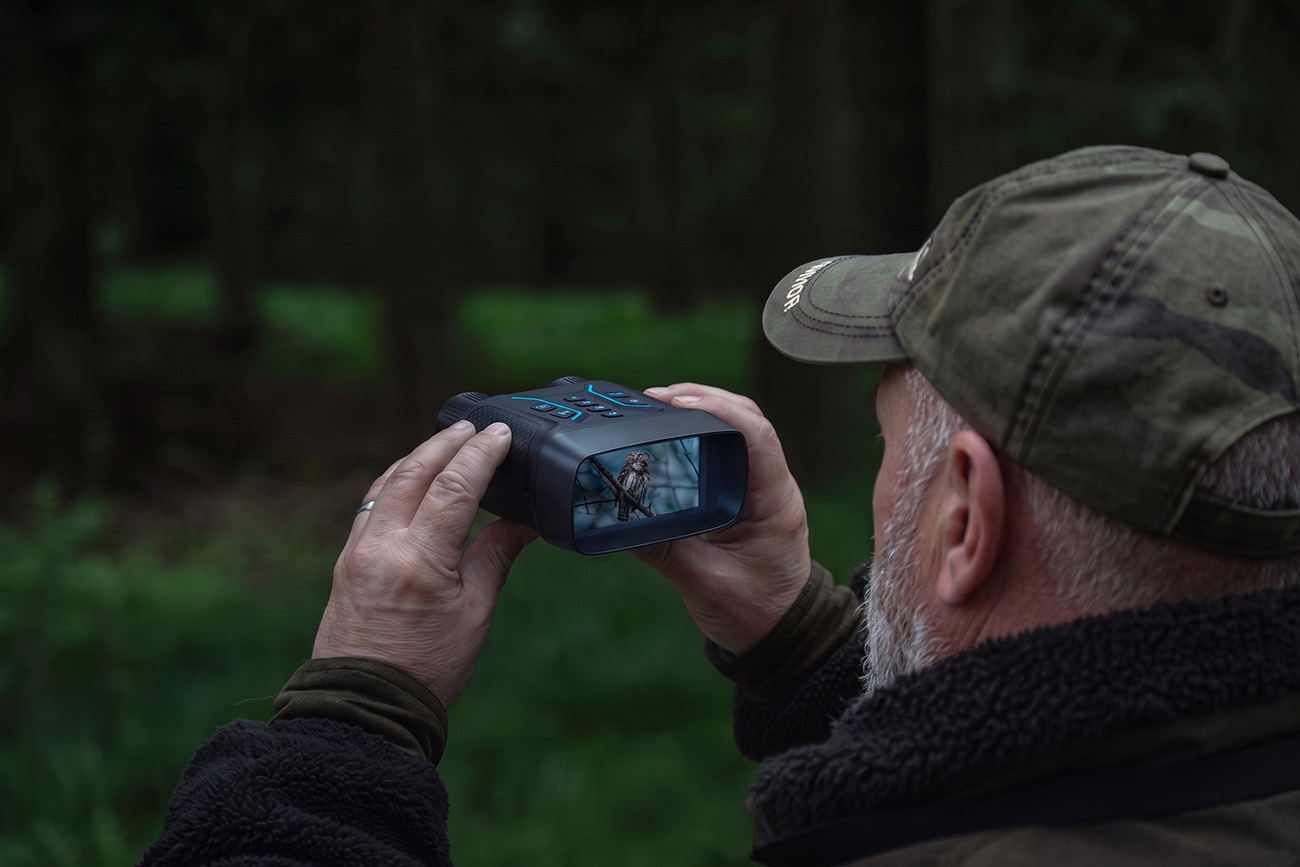
Picture this: it’s 4:45 in the morning, you’re in a blind at the edge of the tree line, and something is moving 120 yards out. 🦌 I’ve been there — running through deer, hog and shadow in my head, and getting no closer to an answer than when I sat down.
Most first-time buyers don’t realize how much usable IR, real detail, and runtime with the illuminator on decide whether a pair gets used or returned. Buy on a headline range figure alone and you get something that shows a shape but never tells you what it is ⚠️, or a picture that washes out the moment anything comes close.
After testing 32 night vision units over four years, the one that covers the most ground for the most people is the Clorant Night Vision Binoculars. A 4.5-inch screen, seven-level 850nm IR and a card already in the slot 🌙 mean the first night out is the night you bought it.
This guide cuts through the spec sheets to what you’ll actually see. You’ll learn why digital zoom and optical magnification are not the same thing 🔍, and why a maximum viewing range is not an identification range. We’ve also flagged what to watch for: battery figures measured with the IR switched off, and 4K on the box that describes the file rather than the detail.
Whether you’re glassing a field edge before first light, walking a fence line at midnight or watching a feeder from the porch, our top 5 night vision binoculars represent the best value across all-in-one handhelds and rangefinder-equipped specialists. Let’s dive into what separates these five from a flashlight and a guess.

By Owen Brady
Owen Brady is a seasoned Outdoor Optics Analyst with 4+ years of experience testing over 32 night vision binoculars and monoculars. Specializes in performance evaluation of handheld digital night vision for hunting, wildlife watching and property observation.
Our Evaluation Standards
A Usable Picture, Close and Far
Evaluated whether the image holds together on something twenty yards out and something across a field, instead of washing out at one end and vanishing at the other
Detail You Can Trust
Tested whether the resolution on the box turns into detail you can identify by, once the zoom climbs and the light drops away
Power That Lasts the Night
Measured runtime with the illuminator actually running, and what it takes to get going again — a USB charge, four AA cells, or a pocket of CR123As
Ready to Use and Comfortable to Hold
Assessed what else you have to buy before the first night out, and how each one handles glasses, cold hands, dust and damp

from Clorant
Overall Grade
A+
Rating
9.6/10
OVERALL ANALYSIS
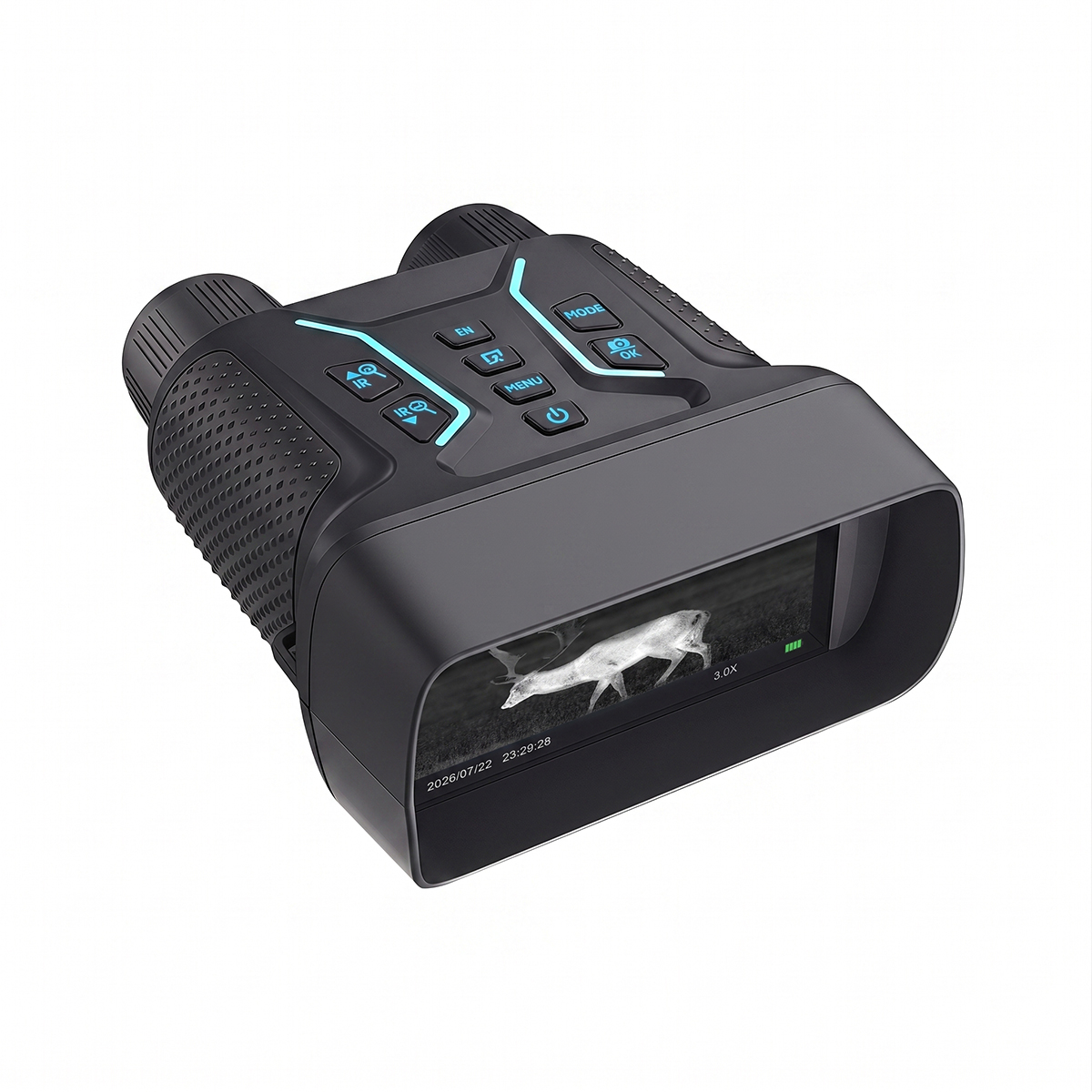
The Clorant Night Vision Binoculars start with glass, not processing. An F1.2 aperture on a 25mm lens pulls in far more light before the sensor ever sees it 🌙, and a 3W 850nm illuminator with seven levels covers what the glass can’t — the maker rates viewing in complete darkness at about 380 yards (350 m).
The picture has settings you can actually use. Turn the IR down so a raccoon at twenty yards doesn’t blow out into a white smear, then up to reach the treeline. Drop the frame rate and the night image brightens; switch between color, black and white, night green or infrared to suit what you’re looking at. In low light it focuses from 10 feet out to infinity.
It doesn’t go in a drawer at sunrise. An automatic IR-cut filter hands the picture back to true daylight color when the sun comes up ☀️, so the same pair works as ordinary digital binoculars all day, and 4K video recording captures either half of that with a 32GB microSD card already in the slot.
Both of you can watch, without being dazzled. A 4.5-inch TFT screen at 480 × 854 replaces the eyecup entirely 👀, and seven brightness levels mean it doesn’t wreck your night vision at 2 a.m. Glasses stay on, and the person beside you sees exactly what you see.
Whether you’re checking a barn at 2 a.m. or watching a feeder from the porch, this pair’s ready-to-use design means no AA cells, no card to source and no app account. A 4000mAh battery charges over USB-C, it runs from -4°F to 122°F, and IP54 plus a silicone grip handle dust, splashes and cold hands.
Pros
F1.2 aperture on a 25mm lens gathers light before the sensor sees it
Seven-level 850nm IR, from close range out to the treeline
Rated for viewing at about 380 yards in complete darkness
Adjustable frame rate trades speed for a brighter night picture
Automatic IR-cut filter switches between true daylight color and night IR
Four viewing modes: color, black and white, night green and infrared
4.5-inch screen with seven brightness levels for dark-adapted eyes
4K video recording with a 32GB card already in the slot
4000mAh battery charges over USB-C, with no AA cells to buy
Works from -4°F to 122°F with an anti-slip silicone grip
Cons
Occasionally out of stock due to strong demand
Delivery takes 1-2 days longer than major brands.
THE RESULT
The Clorant Night Vision Binoculars stand out as 2026’s most complete all-in-one pick, combining an F1.2 lens and seven-level IR with 4K recording and a large, dimmable shared screen. Its ready-to-use setup 🏆 and low learning curve justify a quick decision before peak-season stock runs out.

from ATN
Overall Grade
B+
Rating
9.3/10
OVERALL ANALYSIS
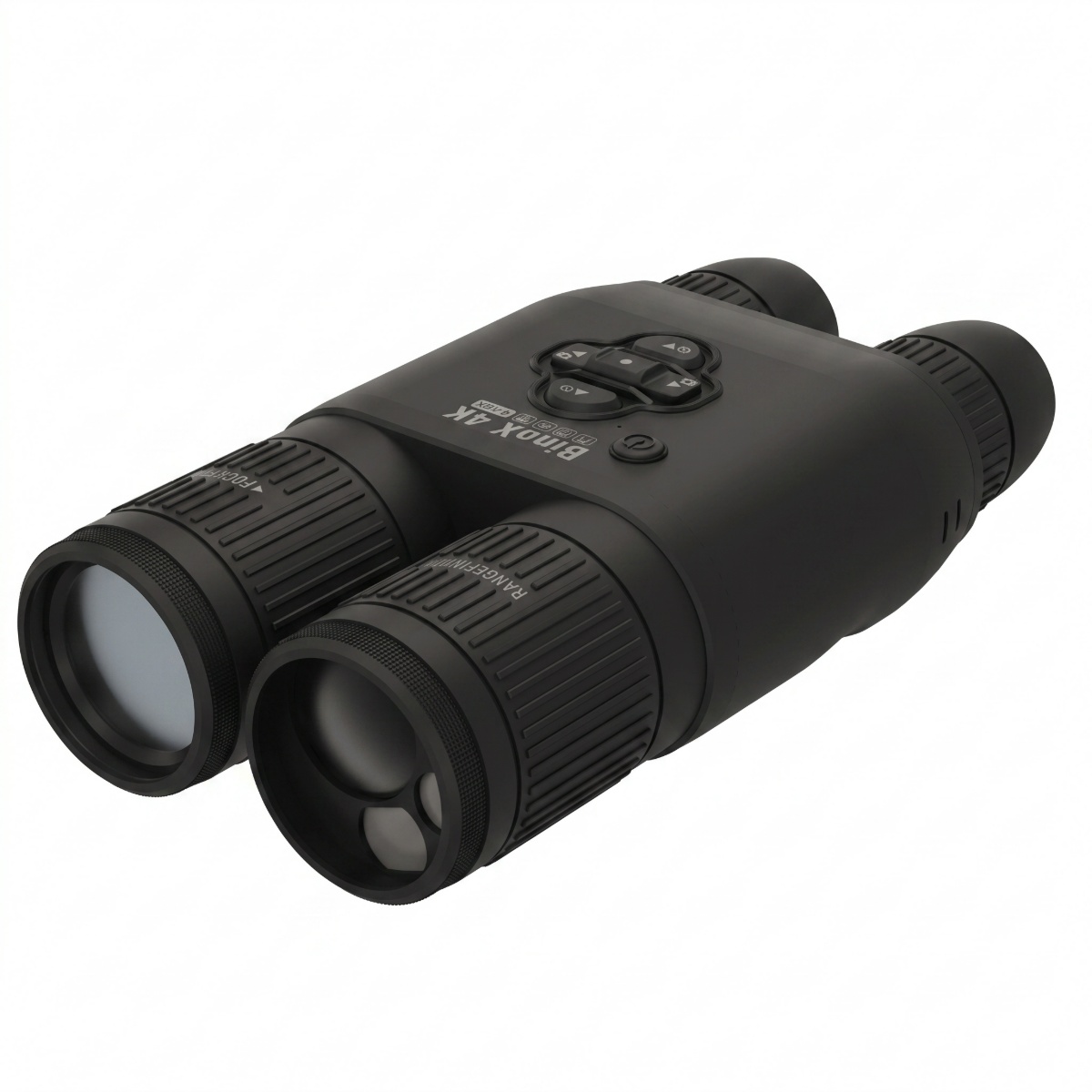
The ATN Night Vision Binoculars put ranging and observing into one action. An integrated laser rangefinder reads out to 1,000 yards at ±1 yard 🎯, so the distance to what you’re looking at arrives at the same moment you spot it.
The imaging chain is built for distance. A 4K sensor at 3864 × 2218 feeds dual 1280 × 720 displays behind a 4–16x system on a 40 mm objective, and video records at 1080p up to 120 fps for slow-motion review.
It’s built for long sits. Wi-Fi and Bluetooth stream the view to a phone, the internal battery is rated 15-plus hours, and a microSD card takes up to 64GB of footage.
The complexity comes back to you. Firmware, app and Wi-Fi problems recur across owner reviews and app-store feedback, the image turns grainy well before full zoom and owners openly advise against using it, and at 2.5 lb it’s a lot to hold steady, with tripods coming up often in the same reviews. It’s a strong buy for frequent hunters who want ranging built in, as long as you’re willing to keep firmware and an app in your routine.
Pros
- Laser rangefinder reads out to 1,000 yards at ±1 yard
- 4K sensor at 3864 × 2218 feeding dual HD displays
- 4–16x system on a 40 mm objective
- 1080p recording up to 120 fps for slow motion
- Wi-Fi and Bluetooth streaming to a phone
- Rated 15-plus hours on the internal battery
- Ranging and observing happen in one action
Cons
Firmware, app and Wi-Fi problems recur in owner feedback
Image turns grainy at high zoom, and owners advise against full zoom
2.5 lb is a lot to hold steady without a tripod

from Luna Optics
Overall Grade
B+
Rating
9.0/10
OVERALL ANALYSIS
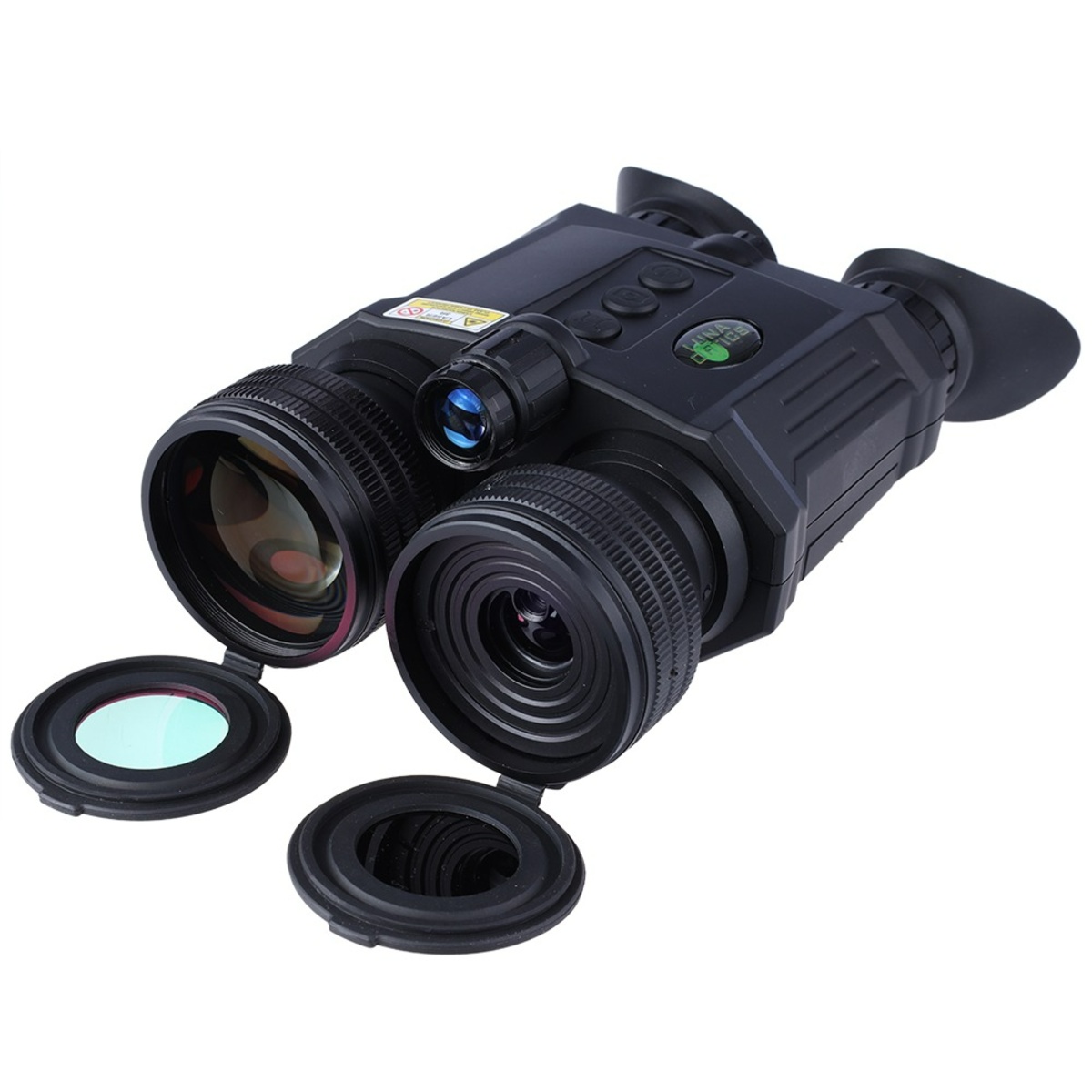
The Luna Optics Night Vision Binoculars are built for naming things a long way off. A 6x optical base sits on a 50 mm f/1.0 all-glass lens 🔭, which is real optical reach rather than a crop of a digital image.
The rest of the system matches that ambition. A Quad-HD 2560 × 1440 sensor rated to 0.002 lux feeds dual 1280 × 720 AMOLED displays, an integrated 850nm illuminator covers the dark, a rangefinder reads to 763 yards, stills land at 16.1MP, and a microSD slot takes up to 128GB with external 5V power supported.
It expects you to come prepared. Owners describe heavy power draw and recommend carrying a power bank, the rangefinder and settings take real time to learn, and 2.2 lb at 6x wants a tripod before the view sits still — the manual itself notes the sensor refreshes more slowly at night than in daylight. It’s a good fit for people who already treat a tripod and spare power as normal kit, as long as long-range identification is the job you’re buying for.
Pros
6x optical base on a 50 mm f/1.0 all-glass lens
Quad-HD 2560 × 1440 sensor rated to 0.002 lux
Dual 1280 × 720 AMOLED displays
Laser rangefinder out to 763 yards
16.1MP stills and several HD video modes
microSD up to 128GB, with external power supported
Cons
Heavy power draw, and owners recommend carrying a power bank
Rangefinder and settings take real time to learn
2.2 lb at 6x wants a tripod before the view sits still
Sensor refreshes more slowly at night than in daylight

from Nightfox
Overall Grade
C+
Rating
8.6/10
OVERALL ANALYSIS
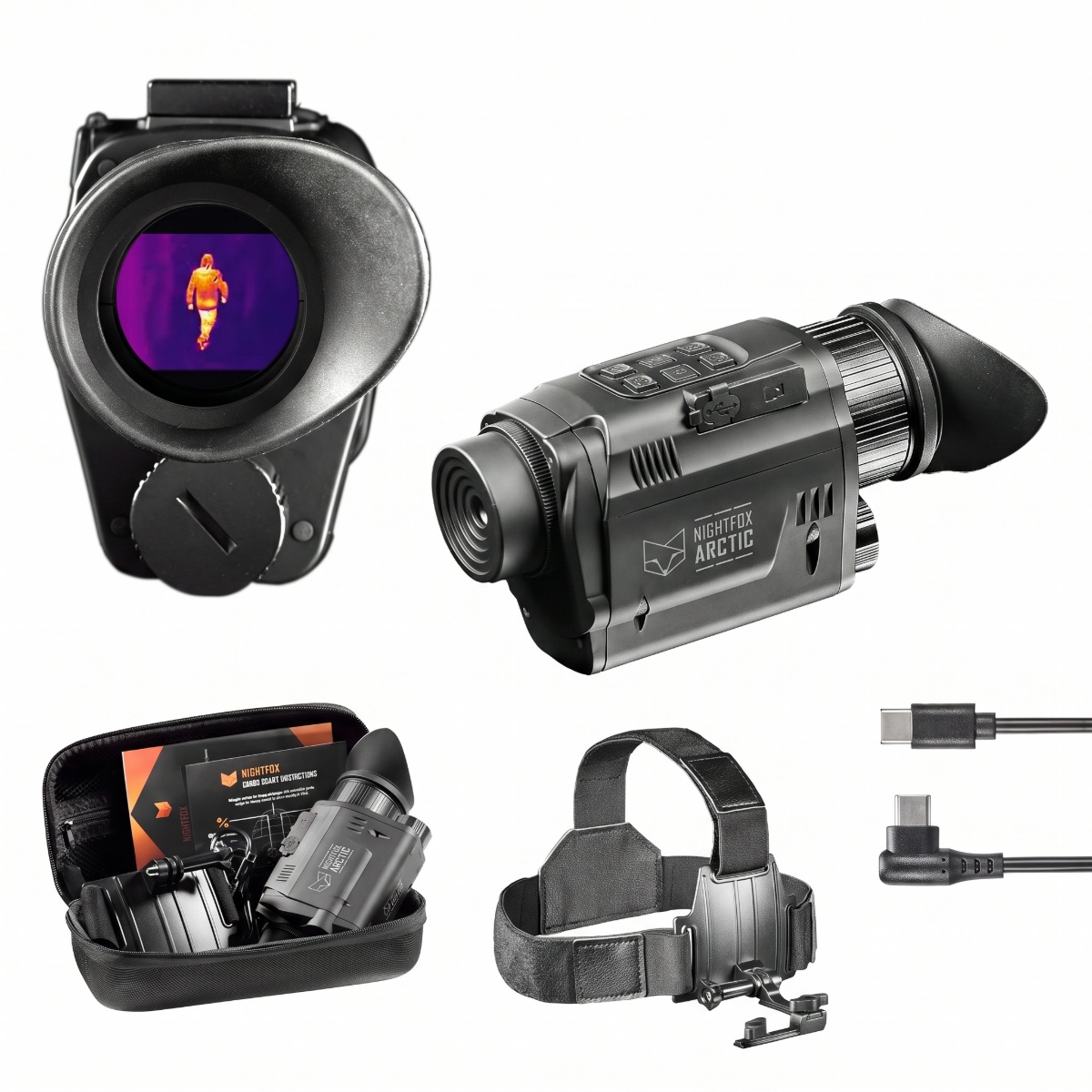
The Nightfox Night Vision Binoculars take the closest route to our top pick and add two things to it. A fixed 6x optical magnification and an integrated rangefinder to 200 m give you reach and distance that a digital-zoom-only unit can’t 🦊.
The night side is well specified. A 5.6W 850nm illuminator is unusually strong for this size, the maker rates night viewing to 220 yards, and a 1920 × 1080 sensor feeds a 3-inch TFT display.
Power and storage are sorted. Two removable 18650 batteries total 6400mAh and run about six hours with mixed IR use, video records with audio, and a 32GB microSD card comes in the box.
Its shape sets its limits. The focus wheel is small enough that fingers end up in front of the lens, there’s no diopter and the maker acknowledges some vision types can’t bring the screen fully sharp, and a fixed 6x narrows the view for close-range scanning around a camp. The 3-inch 640 × 360 display is small for two people to share, and recording tops out at 1080p, dropping to 20 fps in low light. It’s a sensible pick for people who want optical reach and ranging from a fixed position, as long as you check the eyesight fit first.
Pros
Fixed 6x true optical magnification plus 3x digital
Integrated rangefinder out to 200 m
Two removable 18650 batteries totaling 6400mAh
Records audio along with 1080p video
32GB microSD card included in the box
Cons
- Small focus wheel, and fingers get in front of the lens
- No diopter, and some vision types can’t bring the screen sharp
- Fixed 6x narrows the view for close-range scanning
- 3-inch 640 × 360 display is small for two people to share
- 1080p recording, dropping to 20 fps in low light

from Bushnell
Overall Grade
C
Rating
8.1/10
OVERALL ANALYSIS
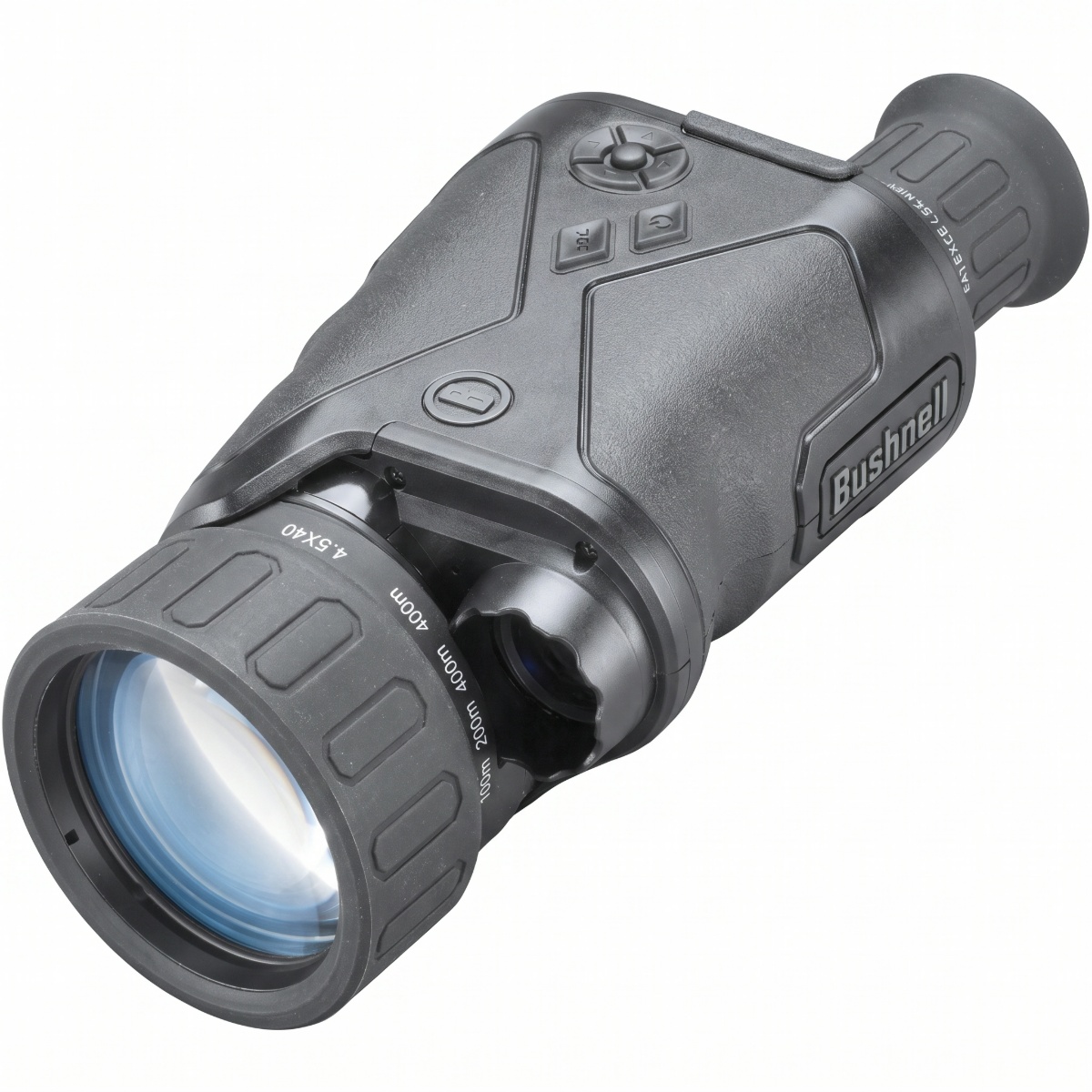
The Bushnell Night Vision Monocular is the odd one out, and deliberately so. It’s a monocular rather than a pair, kept here because the shopping list overlaps almost entirely — night wildlife, property checks and scouting, from a brand most people already know 🔦.
Its optical spec is stated plainly. 6x magnification on a 50 mm objective with a rated range of about 330 yards (1,000 ft), recording 1080p video with audio, and an IPX4 rating against splashing water.
It leans on the phone for the rest. Wi-Fi streaming turns a phone into a second screen so someone else can watch, and a 1/4-20 thread puts it on a tripod for long stationary sessions at 27 oz.
The running costs show up quickly. It takes four AA batteries that aren’t included, and battery life is the single most frequent complaint in owner reviews. App and phone connection problems recur across both mobile platforms, documentation draws complaints, single-eye viewing tires over a long session, and recording stops at 1080p. It’s a reasonable pick for brand-first buyers who don’t mind keeping AA cells in the truck, as long as one eye and a phone app suit how you watch.
Pros
6x magnification on a 50 mm objective from a known optics brand
Wi-Fi streaming turns a phone into a second screen
1080p video with audio, plus a 1/4-20 tripod thread
IPX4 rated against splashing water
Cons
Runs on four AA batteries that aren’t included
Battery life is the most frequent complaint in owner reviews
App and phone connection problems recur across platforms
Single-eye viewing gets tiring over a long session
Recording stops at 1080p, with no 4K option
❓What Are Night Vision Binoculars?
Digital night vision binoculars are three things working together: a light-sensitive sensor, an infrared illuminator that throws light your eyes can’t see, and a screen that shows you the result. That last part matters more than it sounds, because you’re watching a display rather than looking through glass. It also means the binocular shape doesn’t guarantee two separate optical paths inside — plenty of units feed one sensor to one or two small screens.
The infrared illuminator is what makes true darkness workable. Without it, a digital unit needs some ambient light to work with; with it switched on, the unit can see in complete darkness. Darkness itself never makes the picture brighter, whatever a product page implies — the illuminator does the work, and how far it reaches sets how far you can see.
Two numbers get misread constantly. Maximum viewing range is measured in ideal conditions against a reflective target, and spotting that something is out there is not the same as identifying it as a deer, a hog or a person — expect identification at a fraction of the headline figure. Digital zoom crops and enlarges the image the sensor already captured, so detail falls away as it climbs, while optical magnification is glass doing the work before the sensor ever sees it.
One more choice sits under the hood. 850nm illuminators generally give better range and a cleaner picture, but a powerful emitter can show a faint red glow that a person or an animal might notice. 940nm is close to invisible and more discreet, and gives up some range and clarity in exchange. Neither is better; they answer different questions.
🎯 Key Features & Advantages: Night Vision Binoculars
You Stop Guessing in the Dark: A shape at the fence line becomes an animal you can name, without a flashlight announcing you.
No White Light Needed: Infrared doesn’t spook wildlife or tip off anything you’d rather observe undisturbed.
Proof Instead of a Story: Photo and video capture turn what you saw into something you can show a neighbor, a rancher or a wildlife group.
Two People, One View: A screen means someone can look over your shoulder instead of waiting their turn at an eyecup.
Comfortable With Glasses: No rubber cup pressed against a lens, which matters over a long sit.
Adjustable IR Suits Both Distances: Dial it down close in so nothing washes out, dial it up for the far end of a field.
Safer Than Walking Out to Look: Check the barn, the gate or the treeline from where you’re standing.
Day Use Too: These work in daylight as ordinary digital binoculars, so they don’t sit in a drawer eleven months a year.
🔍 Smart Buying Guide: Night Vision Binoculars
Optical Base Versus Digital Zoom: Check what magnification comes from glass before the sensor, because that number is the one that holds detail.
Identification Range, Not Viewing Range: Ask how far you can name what you’re seeing, and treat the headline figure as a ceiling.
IR Wavelength: 850nm buys range and clarity with a possible faint red glow; 940nm buys discretion at the cost of both.
Battery Rating With IR On: A runtime measured with the illuminator off tells you nothing about a real night.
Screen or Eyecup: A large display suits shared viewing and glasses; an eyecup suits solo use and darker surroundings.
Weather Rating in Plain Terms: IP54 and IPX4 cover dust and splashes, not immersion or a downpour.
What’s Actually in the Box: Memory card, batteries and mounts are often extra, and they add up before the first night out.
⚠️ Smart Shopper Alert: Night Vision Binoculars
Reading 4K Recording as 4K Detail: A 4K file says what resolution it was saved at, not how much the sensor resolved.
Treating Digital Zoom as Magnification: Every step up crops the same image further, so the picture softens as the number climbs.
Taking Maximum Range as Identification Range: Seeing that something is there and knowing what it is are two different distances, and a rangefinder that reads 1,000 yards says nothing about what the image can resolve there.
Calling IP54 Waterproof: It covers dust and splashed water, so heavy rain and immersion are outside what it’s rated for.
Assuming an App Is a Free Bonus: Smart features depend on firmware and app support, and both draw recurring complaints in this category.
By Owen Brady
Owen Brady is a seasoned Outdoor Optics Analyst with 4+ years of experience testing over 32 night vision binoculars and monoculars. Specializes in performance evaluation of handheld digital night vision for hunting, wildlife watching and property observation.