In-Depth Product Analysis for Informed Consumer Choices

Best 5 Night Vision Binoculars of 2026
See It Clearly, Then Record It
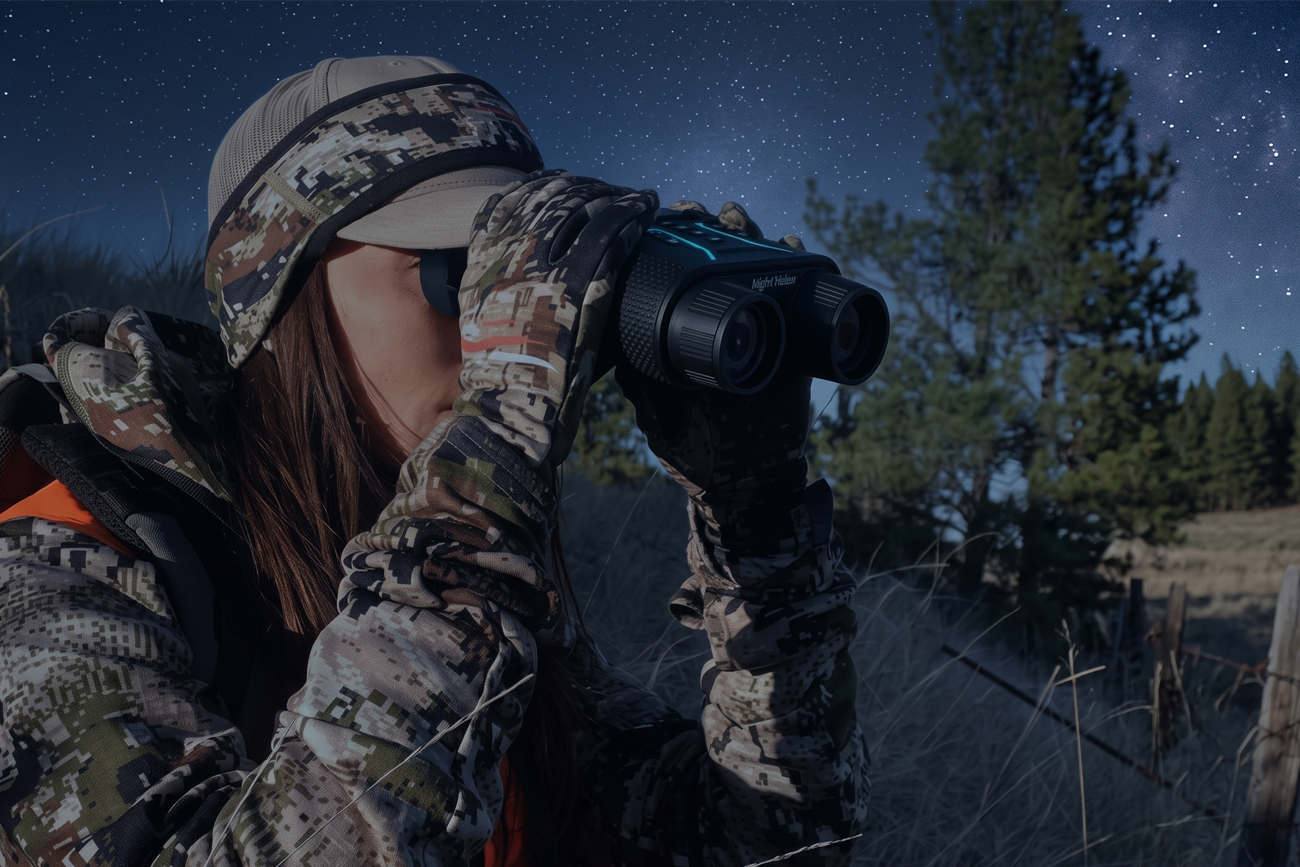
You hear something in the yard at eleven at night. The usual move is a flashlight 🔦 — which lights up the grass, tells whatever is out there exactly where you are, and sends it into the trees before you get a look. I’ve been there, standing on the back steps staring at a hundred yards of nothing, still wondering. Infrared doesn’t announce you.
Most buyers don’t realize how much full-dark reach, screen comfort, and glove-friendly controls decide whether a pair gets used or shelved. Buy on the biggest number on the box and you end up squinting at pixel mush. Buy the cheapest one and you’re back inside in twenty minutes with sore eyes and dead batteries.
After testing 32 night vision binoculars, the Clorant Night Vision Binoculars came out on top — a 4.5-inch screen 📺 you hold at arm’s length instead of pressing to your eye, seven levels of 850nm infrared behind it, and roughly 380–440 yards of rated viewing in full dark.
This guide cuts through the spec sheet. You’ll learn why a 4K label describes the video file 📹 and not the sensor or the screen, and why an advertised range tells you where movement shows, not where you can name the animal. We’ve also flagged what to watch for: digital zoom that falls apart past the middle of its range, and a screen bright enough to blind you the moment you look up.
Whether you’re checking a fence line at midnight 🌙 or waiting at a pond edge for something to move, our top 5 night vision binoculars run from plain black-and-white viewing to full-color low light. Let’s dive into what separates these five from a flashlight and a guess.

By Harlan Pierce
Harlan Pierce is a seasoned night vision optics analyst with years of experience testing over 32 night vision binoculars. Specializes in performance evaluation of large-screen, long-range infrared viewing across hunting, wildlife and property observation.
Our Evaluation Standards
Full-Dark Performance
Tested in full dark at yard, field-edge and tree-line distances to see where movement shows and where detail gives out
Viewing Comfort
Assessed by how long you can watch without eye strain, and what a bright screen costs you when you look up
Controls & Setup
Evaluated with gloves on, in the dark, from power-on to first usable image without an app or a firmware update
Battery & Runtime
Measured across mixed use with infrared running and recording on and off, rather than the standby figure printed on the box

from Clorant
Overall Grade
A+
Rating
9.6/10
OVERALL ANALYSIS
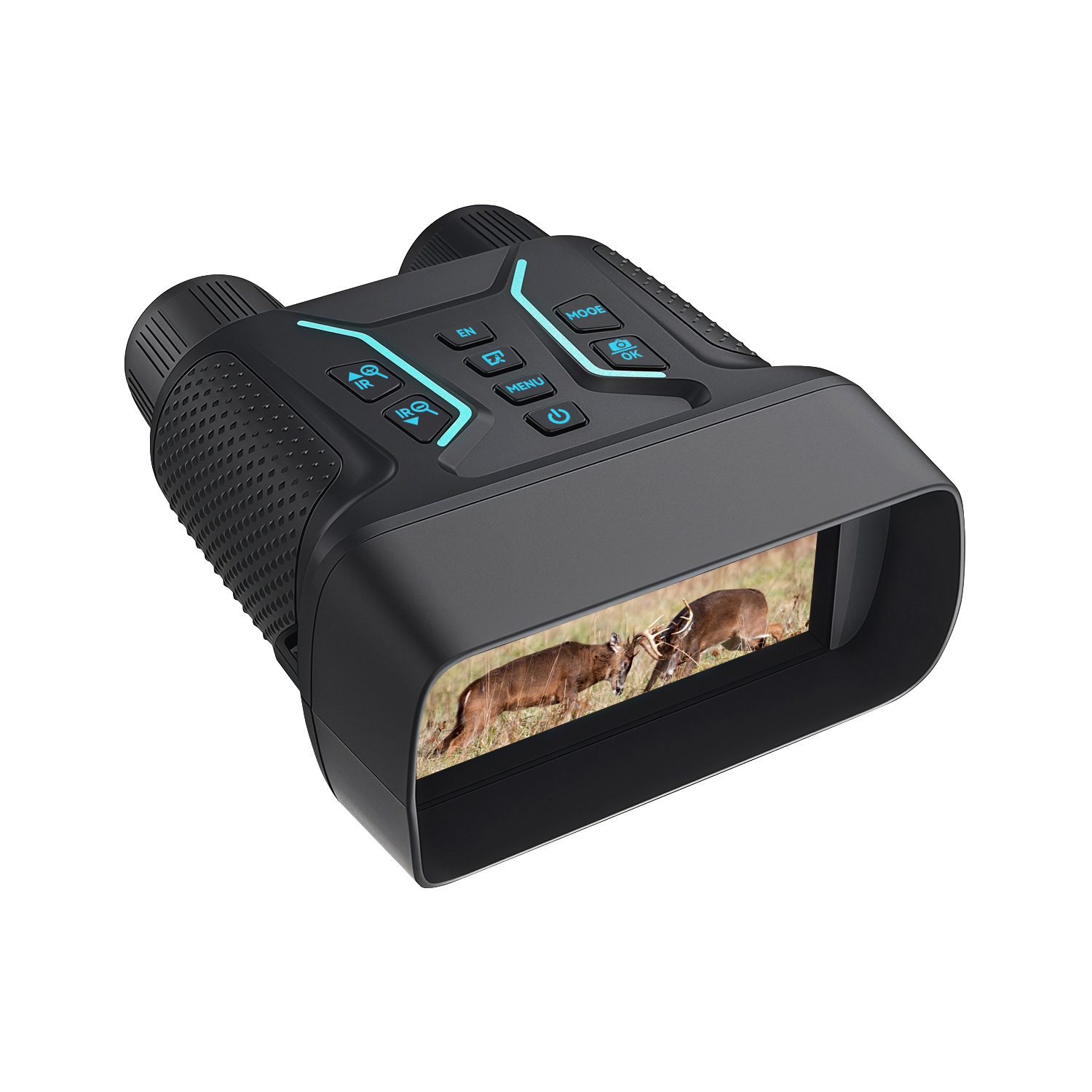
The Clorant Night Vision Binoculars put the picture on a 4.5-inch screen you hold at arm’s length — no rubber cup against your eye, no closing one eye to use the other. Behind it sits a 3W 850nm infrared illuminator with seven output levels, rated for roughly 380–440 yards in full dark.
Everyone sees the same thing at once. The screen sits out in the open, so you can point at what you’re looking at and hand it over without anyone refocusing. Seven display brightness levels 📺 let you dial the panel down once your eyes settle, so looking up from it doesn’t blind you.
Close brush stops blowing out the picture. That’s what seven infrared levels buy you — turn the illuminator down for the hedge ten yards out, up when you’re reaching for the tree line 🌲 two hundred yards past it.
You keep what you saw. A 4K video setting and 36MP stills mean the shape that crossed the driveway gets identified in the morning instead of argued about. Files go straight to a microSD card with a date and time stamp on every frame, so footage that sharp is worth going back through, not just proof that something moved.
Everything you need sits under a fingertip. Eight physical buttons stay findable with gloves on, there’s no app to pair and no firmware to update, and a built-in 4000mAh cell gives long battery life on a USB-C top-up instead of a fresh set of AA cells. Whether you’re checking livestock across a pasture or watching what visits the feeder, that combination covers a full night out, in anything from -4°F to 122°F, behind an IP54 shell.
Pros
4.5-inch open screen lets two people watch at once
Seven infrared levels keep close brush from glaring white
Rated 380–440 yards of viewing in full dark
36MP stills and a 4K video setting keep the proof
Long battery life from a rechargeable 4000mAh cell
No app to pair and no firmware to update before use
Seven screen brightness steps keep your eyes comfortable at night
Eight physical buttons stay findable with gloves on
Runs from -4°F to 122°F for year-round nights
IP54 shell handles dust and porch-rail splashes
Cons
Occasionally out of stock due to strong demand
Delivery takes 1-2 days longer than major brands.
THE RESULT
The Clorant Night Vision Binoculars stand out as 2026’s most complete night vision package, pairing a 4.5-inch open screen and seven-level infrared out to 380–440 yards with 4K video and 36MP stills in a single device. That mix of reach, comfortable viewing and real recording justifies a quick decision before peak-season stock runs out.

from ATN
Overall Grade
B+
Rating
9.3/10
OVERALL ANALYSIS
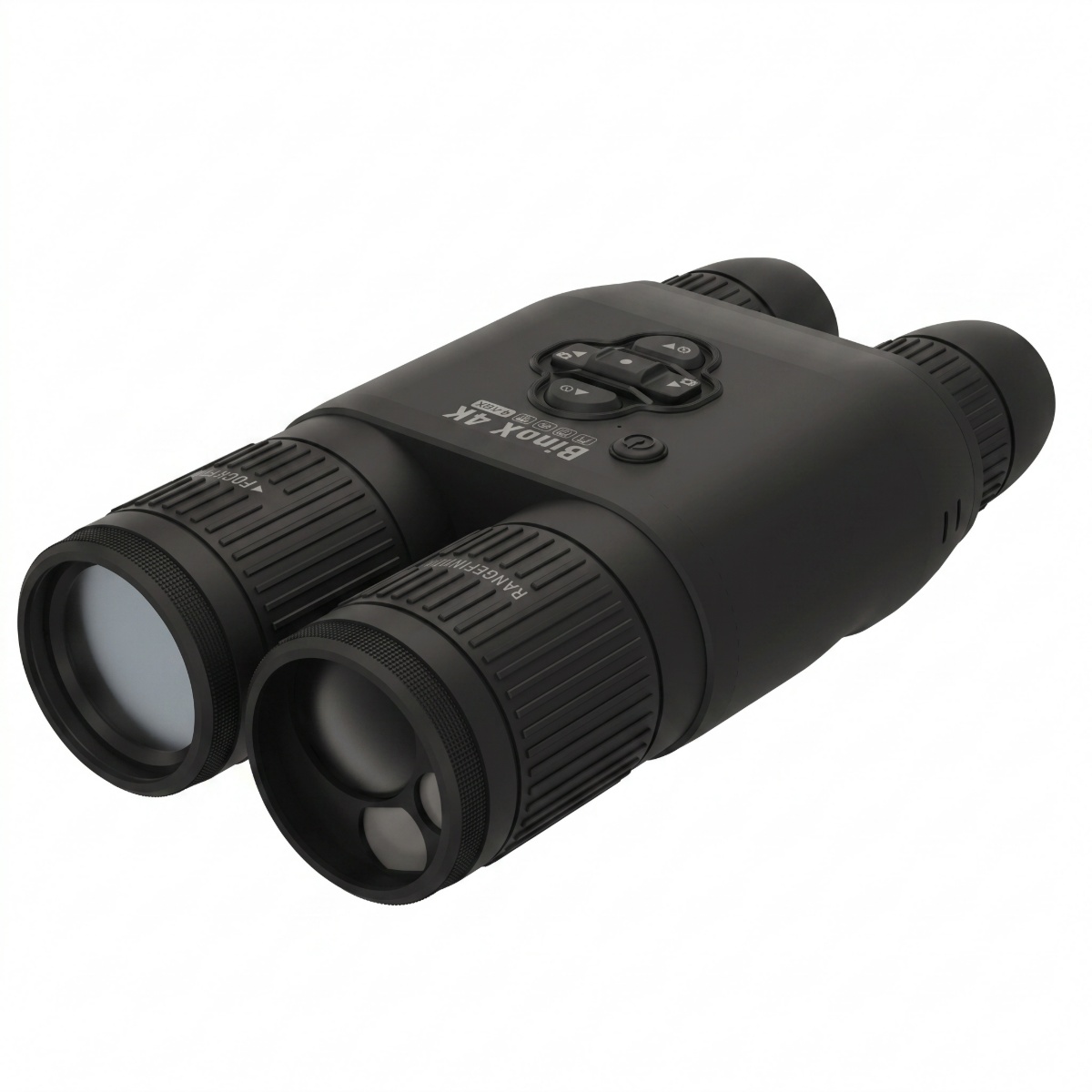
The ATN Night Vision Binoculars are built for hunters who already run smart optics and want ranging data in the same hand as the image. A laser rangefinder reads from 5 to 1,000 yards and passes that number straight into a paired scope.
The imaging chain is fully specified: a 3864×2218 sensor feeding two 1280×720 displays, one per eye, with 4–16x magnification over a 40mm objective. Video records at 1080p and up to 120 frames per second.
Battery life runs past fifteen hours, which covers a full night of stand time and the recovery walk afterward. Wi-Fi streaming, Bluetooth and a built-in compass are all on board, and the BIX ecosystem lets the pair trade data with other ATN gear.
At 2.5 lb it asks for a sling or a rest during long scanning sessions. Digital zoom goes grainy past roughly 10x, and owners report reaching for a separate IR light to push detail out at longer distances. Firmware updates and compass calibration are part of ownership here. Where the Clorant pair is built to work the minute you press power, this one rewards people who enjoy configuring their gear. It’s a strong buy for hunters already inside the ATN ecosystem, as long as the budget and the setup time are both there.
Pros
Laser rangefinder reads from 5 to 1,000 yards
Range data passes straight into a paired ATN scope
3864×2218 sensor feeds two 720p displays, one per eye
4–16x magnification over a 40mm objective lens
Battery runs past fifteen hours on a single night
Wi-Fi and Bluetooth share the live view remotely
1080p video records at up to 120 frames per second
Cons
Digital zoom turns grainy past the middle of its range
2.5 lb body needs a rest during long scans
Firmware updates and calibration are part of ownership

from Bushnell
Overall Grade
B+
Rating
9.0/10
OVERALL ANALYSIS
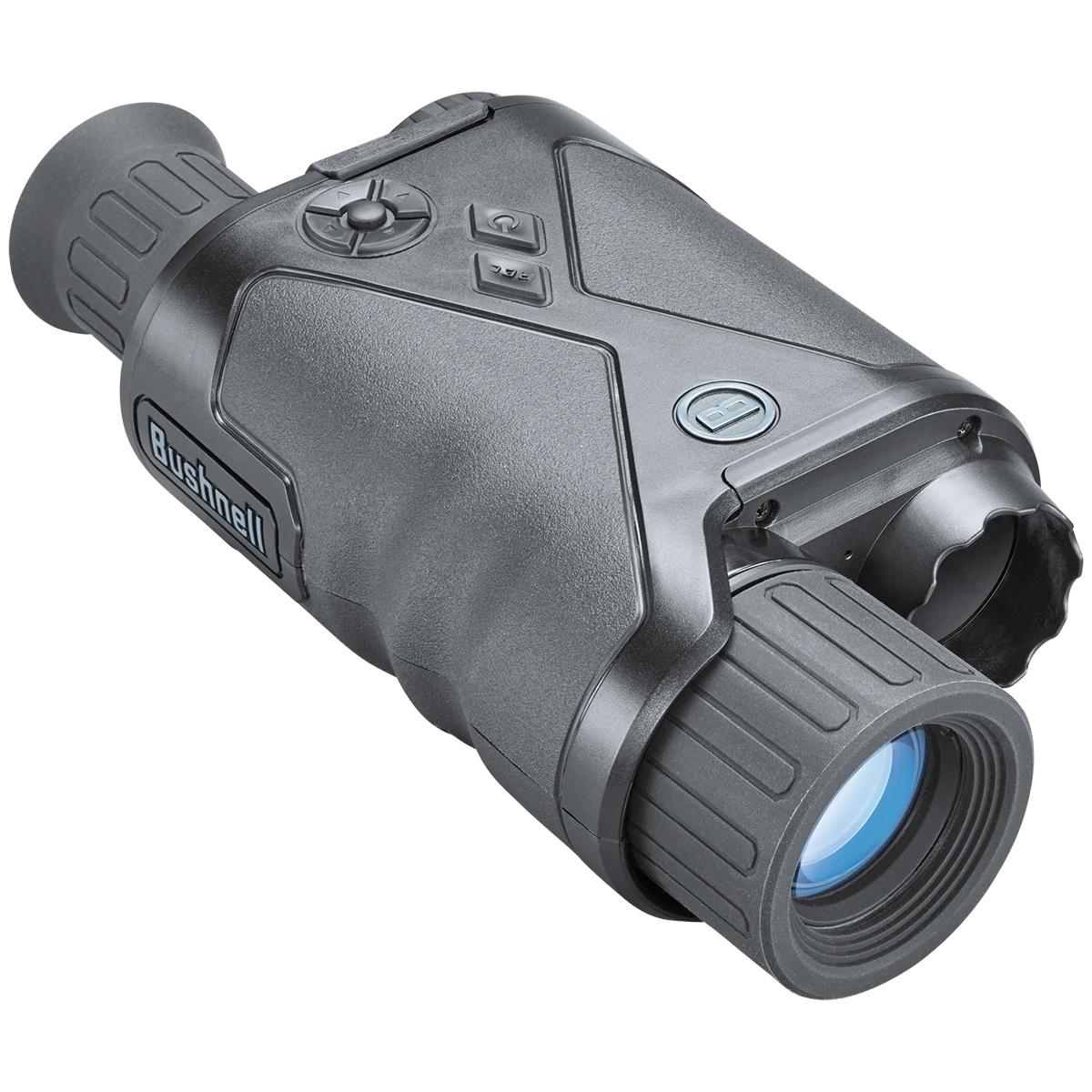
The Bushnell Night Vision Monocular is built for buyers who want traditional optics numbers in a night vision body: 6x magnification over a 50mm objective, with a five-year warranty standing behind it. It’s the only monocular here, and it makes the list on optics rather than on comfort.
That large objective and native 6x suit long, static looks at one fixed point — a field edge, a feeder, a far gate — out to a claimed 300 yards. Wi-Fi puts the same view on a phone, so someone inside the house can watch what you’re seeing from the porch.
It is a monocular, so one eye works while the other stays in the dark, and everything happens against an eyepiece LCD rather than an open screen — menus mean pressing your face to the housing, and the power and record buttons are easy to confuse by feel. Focus is manual, and finding critical focus at 6x in the dark takes patience and usually a tripod. Four AA cells run it, and cold nights shorten that supply quickly. Where the Clorant pair puts a bright, adjustable panel out where a group can share it, this one keeps the picture to one person. It’s a good fit for buyers who trust the Bushnell name and already own a tripod, as long as you don’t mind stocking batteries.
Pros
6x magnification over a 50mm objective lens
Wi-Fi sends the live view to your phone
Five-year warranty backs long-term ownership
Claimed night vision range of up to 300 yards
Records 1080p video with audio
IPX4 splash rating for damp field conditions
Cons
Monocular design leaves one eye in the dark
Four AA cells drain fast on cold nights
Manual focus takes patience at 6x in darkness
Eyepiece menus mean pressing your face to the housing

from AKASO
Overall Grade
C+
Rating
8.6/10
OVERALL ANALYSIS
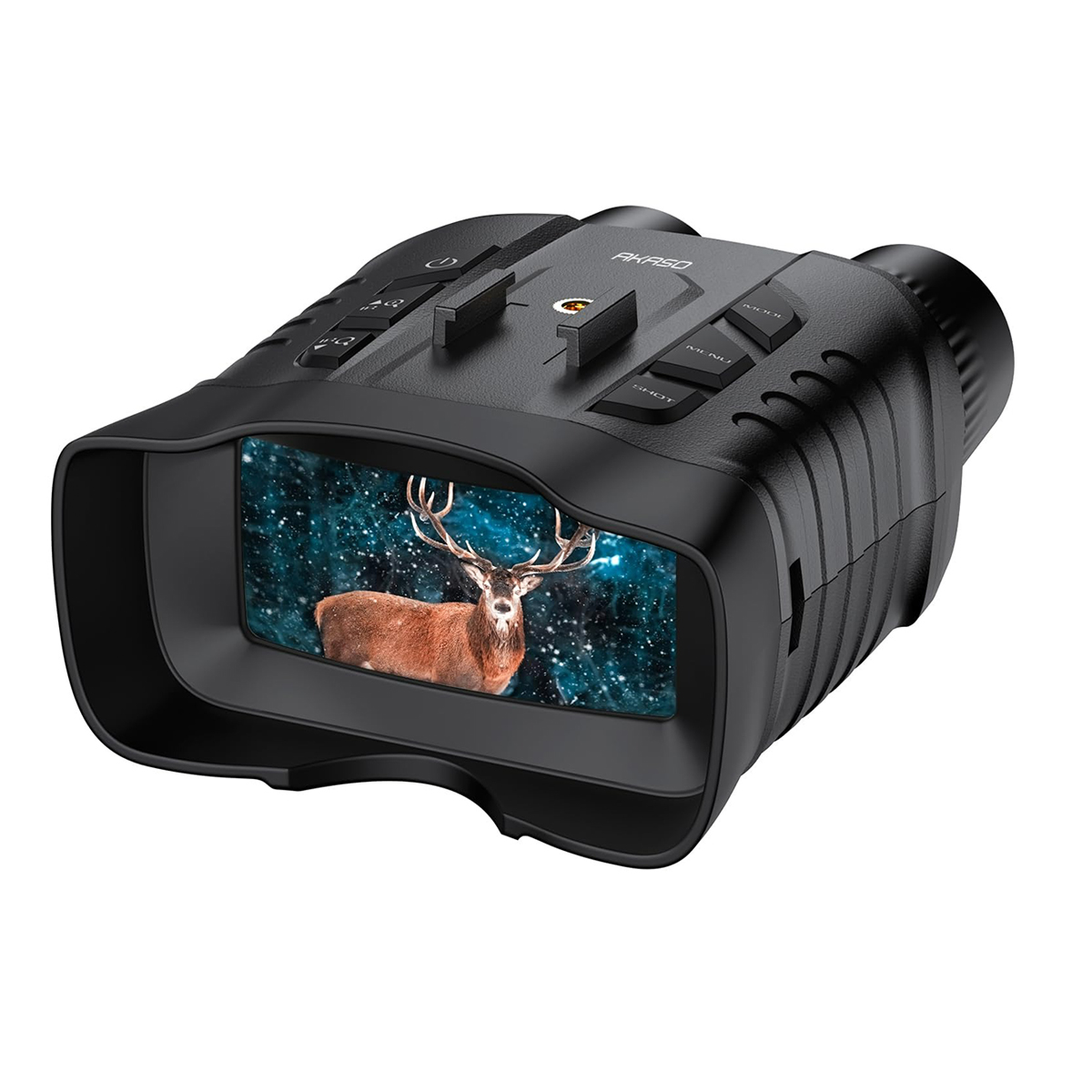
The AKASO Night Vision Binoculars are built for people who watch at dusk and under moonlight more than at true midnight. An AI-assisted color mode holds the picture in color as long as there is ambient light to work with.
You get 16x digital zoom and microSD support up to 512GB, which matters if you leave it running at a pond edge and sort the footage out later. Video tops out at 4K, and a six-axis gyroscope and compass ride along with it.
Two 3,250mAh batteries swap out in the field, so a camping session stops for a battery change rather than a charge cycle. The 1.1 lb body is light enough to carry on a hike in instead of driving to the spot.
The screen is 3 inches, and the field of view is narrow at 17.5° diagonal, so finding a moving animal takes longer than framing a static one. Past roughly 10x the digital zoom goes soft. Focus is manual and needs redoing more often than you’d like in the dark, and daylight color comes out flat. The app is the weakest part, with live view and connectivity both unreliable. Where the Clorant pair is built to work the moment you press power, this one asks you to set it up first. It’s a sensible pick for gadget-minded wildlife watchers who want color at dusk, as long as you’re willing to learn its focus and its app.
Pros
AI color mode keeps dusk scenes in natural color
microSD support up to 512GB for long recording sessions
Two swappable batteries keep a camping night going
4K video capture with a built-in microphone
1.1 lb body is easy to carry on foot
Cons
3-inch screen is small for group viewing
17.5° field of view makes moving targets harder to find
Digital zoom softens well before its 16x maximum
Manual focus needs redoing often in the dark
App connectivity and live view are the weak point

from Barska
Overall Grade
C
Rating
8.1/10
OVERALL ANALYSIS
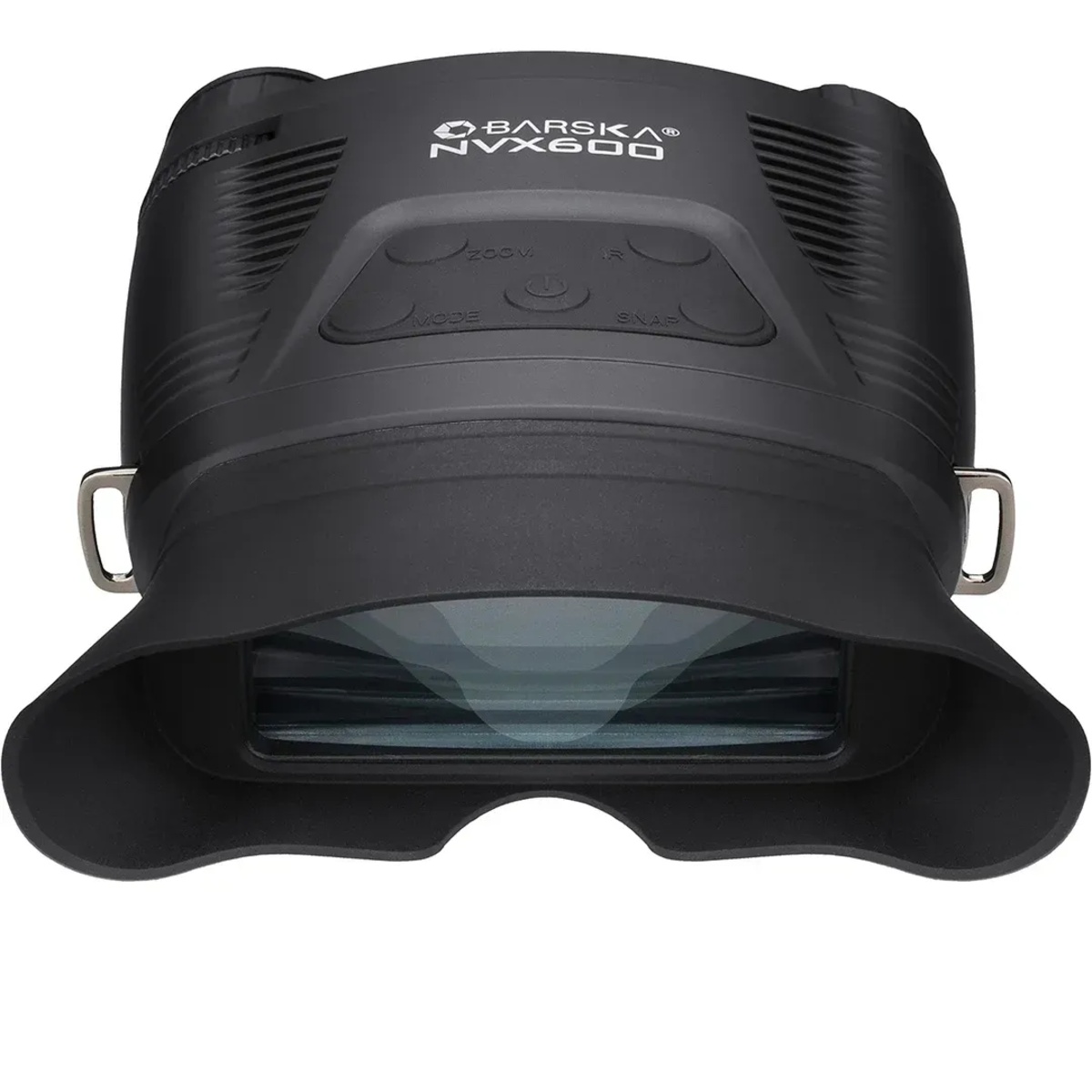
The Barska Night Vision Binoculars are built for the buyer who wants nothing to configure. Power on, adjust focus, set the infrared, watch in black and white — there is no app, no account and no pairing step in the way.
7x magnification with 2x digital on top covers a backyard or a cabin clearing, and a 3W 850nm illuminator is rated to about 330 yards. A tripod mount is built into the body, which helps at that magnification.
Four AA cells power it, and that is a real advantage days away from an outlet: replacements are available anywhere, and a swap in the dark takes seconds rather than waiting on a charge to finish.
The display is 640×480 and bright, and owners report that dark adaptation takes a while to come back after a long look. Recorded footage comes out at 320×240, so this is a device for watching rather than for keeping what you saw. At longer distances owners describe the picture as soft and pixelated well before the rated figure. Owners also report units that arrive not working, often enough to be worth knowing about. Where the Clorant pair puts a large adjustable screen and 4K capture in the same body, this one keeps the feature list — and the resolution — short. It’s a reasonable pick for close-range yard and cabin watching, as long as you’re not counting on the footage afterward.
Pros
7x magnification with 2x digital zoom on top
3W 850nm illuminator rated to about 330 yards
AA cells swap instantly, days away from an outlet
Built-in tripod mount steadies the view at 7x
Cons
320×240 recording resolution is too low to keep
640×480 display limits how much detail reaches your eye
Bright screen slows your eyes’ return to darkness
Owners report soft, pixelated images at longer range
Owners also report units that arrive not working
❓What Are Night Vision Binoculars?
Night vision binoculars are digital, not optical: an infrared-sensitive sensor takes in the scene, an illuminator adds light your eyes can’t register, and a screen shows you the result. They differ from night vision goggles, which strap to the head for hands-free movement, and from traditional binoculars, which only magnify light that’s already there.
There are two basic types. Infrared units flood the scene with 850nm or 940nm light and give you a black-and-white or green picture that works in total darkness. Low-light color units lean on whatever ambient light is around — moonlight, a distant porch bulb — and keep color, but that light has to be there. Most units that offer both simply switch between them.
On night vision binoculars with a camera, read resolution in three places, not one. A 4K label describes the video file. What you watch on is a separate number, and so is the sensor behind it, so a device can record 4K and show you far less. Read range the same way: an advertised figure tells you where something registers as movement, not where you can tell a deer from a dog. Digital zoom is a crop of the same image, so the top of the range rarely holds up.
These are observation tools, not navigation gear — walking while watching a screen is how people find ditches. Water resistance ratings such as IP54 or IPX4 cover dust and splashes, not immersion. And if you are shopping for night vision binoculars for hunting, rules around night hunting, artificial light and mounted optics vary by location, so check the regulations that apply where you are before you take one out.
🎯 Key Features & Advantages: Night Vision Binoculars
You See Before You Step Out: A noise in the yard gets answered from the doorway, instead of with a flashlight and a guess.
Wildlife Stops Running Off: An infrared beam doesn’t light up the field the way a flashlight does, so deer, raccoons and owls carry on.
Distance Stops Being A Black Wall: You can tell a moving shape from the tree line behind it, so you know where to keep looking.
You Get A Camera Too: Night vision binoculars with a camera turn a guess into a file you can replay, share or check against in the morning.
Everyone Gets To Look: An open screen passes hand to hand, so the whole porch sees the same animal at the same time.
Glasses Stop Being A Problem: A screen held at arm’s length works the same whether or not you are wearing them.
Batteries Stop Being A Chore: Rechargeable models take the same cable as the phone already in your pocket.
Your Eyes Recover Faster: A dimmable display means you can look up from the screen and still see the yard around you.
🔍 Smart Buying Guide: Night Vision Binoculars
Screen Or Eyepiece: Decide whether you will watch alone through a cup or share an open panel, because it changes every session.
Adjustable Infrared: Look for stepped output rather than a single on-off illuminator, so close brush does not blow out the frame.
Range Language: Treat any single distance figure as where movement shows up, not where you can identify it — then shop a step closer.
Power Source: Ask how you’ll actually recharge — a built-in cell and a USB-C cable cover most nights out; disposables only pay off far from power.
Recording Resolution: On night vision binoculars with a camera, check what the file records at, since some units land far below their display.
Infrared Wavelength: 850nm gives brighter illumination with a faint emitter glow, while 940nm trades some reach for a darker front end.
Brightness Control: Make sure the display dims, because a fixed bright panel costs you the dark adaptation you walked out with.
⚠️ Smart Shopper Alert: Night Vision Binoculars
Reading 4K As The Whole System: A 4K badge describes the video file. What you watch on is a different number, and the two are often far apart.
Trusting Advertised Range As Identification: A rated distance shows where movement registers, not where you can name what’s moving.
Buying On Maximum Digital Zoom: Digital zoom crops the same image, so detail falls apart long before the headline multiplier.
Confusing Low-Light Color With Darkness: Color modes still need ambient light; in true darkness the picture goes to infrared and loses color.
Reading Water-Resistant As Waterproof: IP54 and IPX4 handle dust and splashes; neither is rated for immersion, so neither goes in the water.
By Harlan Pierce
Harlan Pierce is a seasoned night vision optics analyst with years of experience testing over 32 night vision binoculars. Specializes in performance evaluation of large-screen, long-range infrared viewing across hunting, wildlife and property observation.