In-Depth Product Analysis for Informed Consumer Choices

Best 5 Air Purifiers for Home of 2026
Cleaner Air, Room by Room
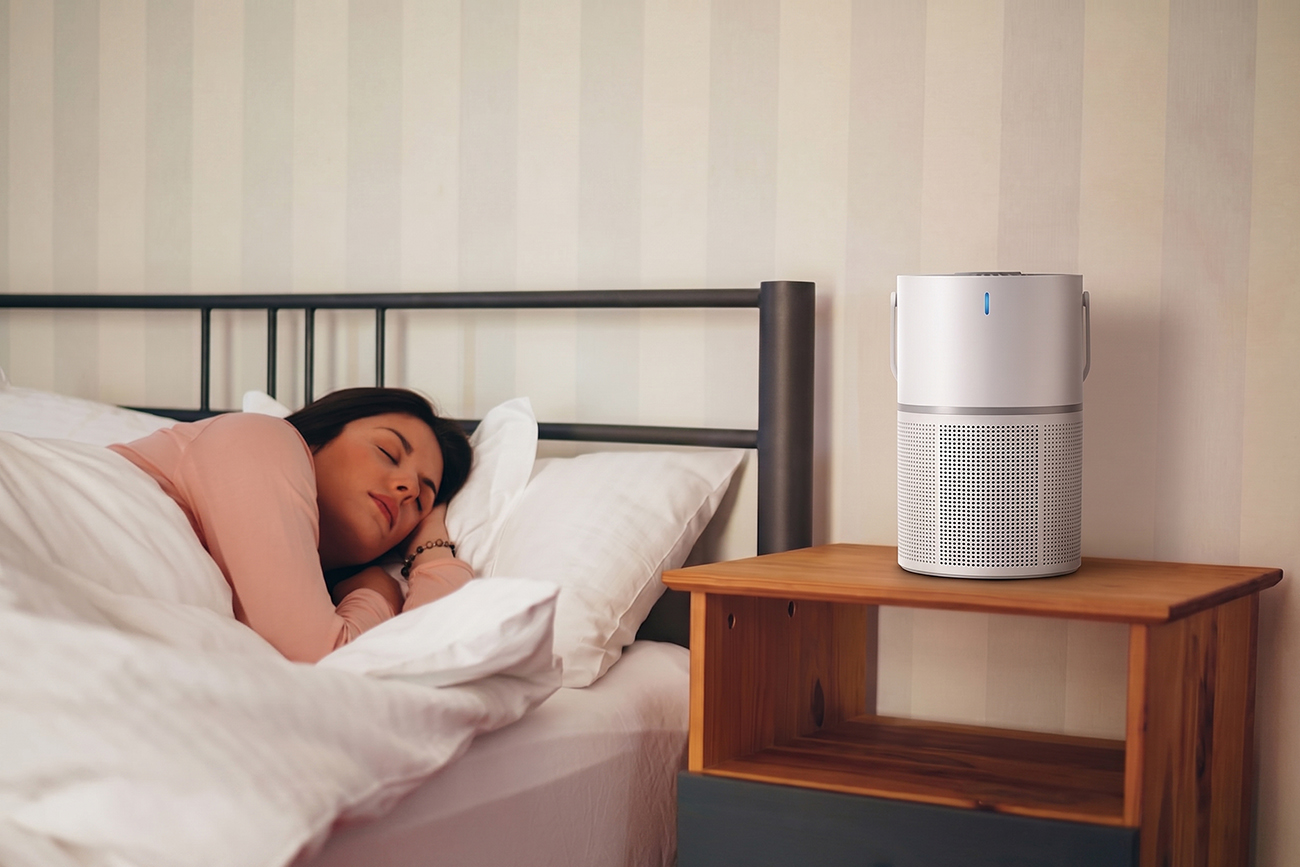
You wiped the shelves on Sunday. It’s Wednesday, and there’s already a film back on the coffee table 🏠 — and when the afternoon light comes through the window, you can see what’s still floating around in it.
Most buyers don’t realize how much what the filters catch, how loud it runs at night, and how easily it moves between rooms decide whether a purifier runs daily or gets unplugged by month two. Buy on a coverage figure alone and you get a number measured at one air change an hour ⚠️, which is nowhere near enough for pollen season or a smoky evening.
After testing 30 air purifiers, the one that fits the most homes is the Clorant Air Purifier. A three-stage filter, 360° intake and a carry handle 🌬️ mean one machine covers the bedroom overnight and the living room by afternoon, with no app to set up first.
We did the comparing so you don’t have to. Every unit here went through the same four checks, and the traps that catch first-time buyers are already ruled out — coverage figures measured three different ways, HEPA percentages read as machine speed, and carbon filters sold as if they destroy what they collect. What’s left is a short list you can decide from in ten minutes.
Whether you’re dealing with pet dander, a pollen season that starts in March, or a kitchen that still smells like dinner at bedtime, our top 5 air purifiers for home represent the best value across compact movers and large-room machines. Let’s dive into what separates these five from opening a window.

By Simone Adler
Simone Adler is a seasoned Home Air Quality Analyst with years of experience testing over 30 air purifiers and filtration systems. Specializes in performance evaluation of everyday home purifiers for pet owners, allergy households and light sleepers.
Our Evaluation Standards
Living With It Every Night
Evaluated sleep behavior, screen brightness, button locks and timers, because a purifier that lights up a dark bedroom gets switched off and stays off
What the Filters Catch
Tested the filter stages against what households actually deal with — pet dander, pollen, dust and cooking odors — rather than the percentage printed on the filter media
Matching It to Your Space
Assessed what each maker publishes about room size and airflow, and how much clearance the shape and intake design need in order to work properly
Moving and Maintaining It
Measured weight, handles and how easily filters get cleaned, changed and replaced across a year of running

from Clorant
Overall Grade
A+
Rating
9.6/10
OVERALL ANALYSIS
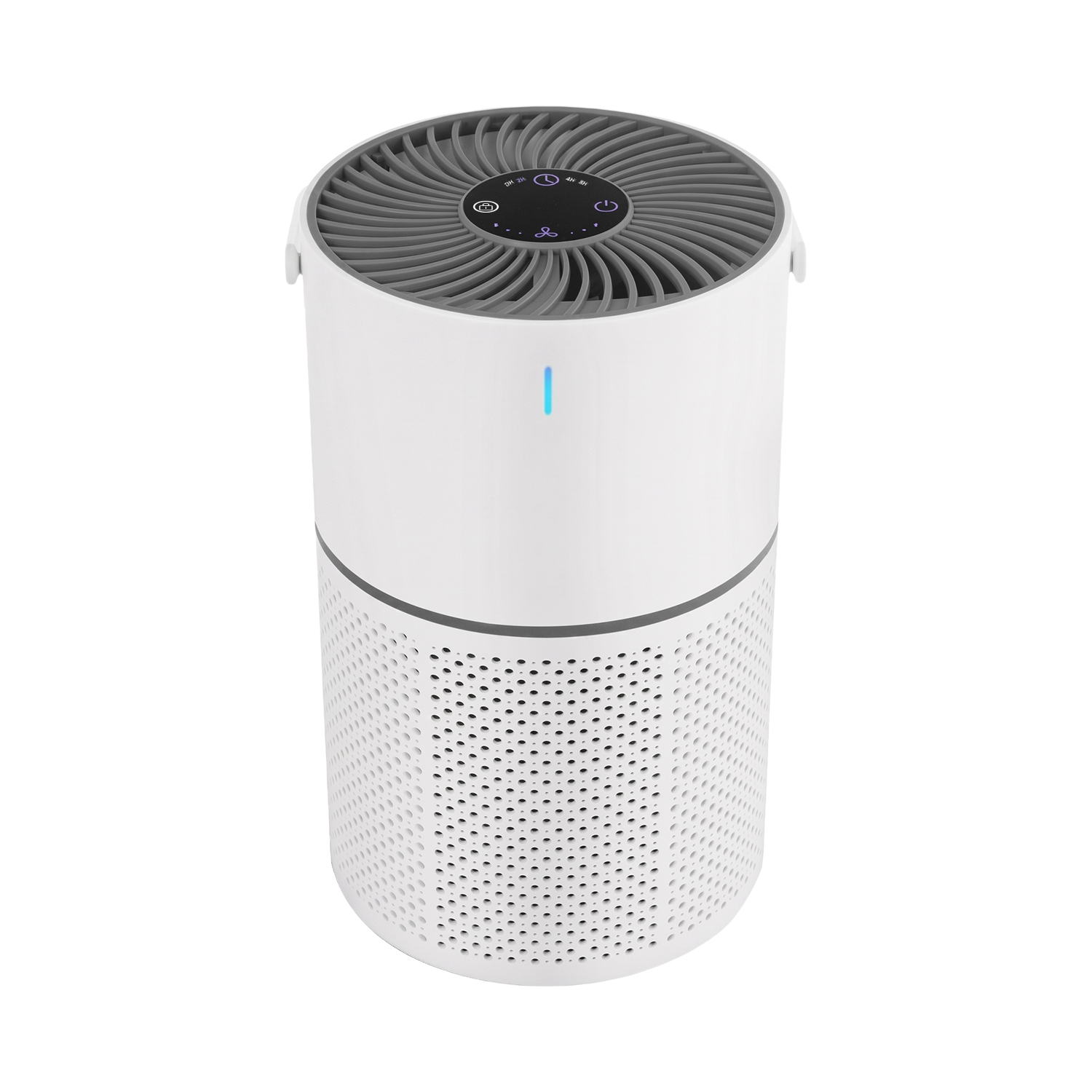
The Clorant Air Purifier follows you around the house instead of staying put. A carry handle on top and a compact cylindrical body 🏠 mean it runs beside the bed overnight and moves out to the living room in the afternoon — one machine covering the rooms you’re actually in, rather than sitting in an empty one.
A dark bedroom stays dark. Silent Sleep Mode drops the fan right down, the display switches off completely so nothing glows at 2 a.m., and a soft LED night light is there if you want one instead. Child Lock stops the panel being changed by a curious hand or a passing elbow.
Pet hair, fine dust and the smell of last night’s dinner each get their own layer. A pre-filter catches hair and the big stuff first, which also keeps the expensive filter behind it working longer. The HEPA stage is rated to capture 99.97% of particles down to 0.3 µm — the range that covers pollen, fine dust and smoke particles — and an activated carbon layer adsorbs cooking smells, smoke odor and everyday household smells 🐾.
You don’t have to think about which way it faces. A 360° intake draws from all around the body rather than one panel, so setting it down beside a nightstand or a sofa is the whole setup. Turbo-Boost covers the twenty minutes after you cook or run the vacuum.
Whether you’re clearing the air after dinner or running it beside a bed all night, this purifier’s simple-panel design means no app, no account and no Wi-Fi to get through first. A top touch panel sets fan speed directly, and a 2, 4 or 8-hour timer shuts it off on its own so you’re not up at midnight turning it off.
Pros
Carry handle and compact body move between rooms easily
Silent Sleep Mode for running beside a bed
Display switches off completely at night
Soft LED night light when you want one
Child Lock stops the panel being changed by accident
Three stages: pre-filter, HEPA and activated carbon
HEPA stage rated for 99.97% of particles down to 0.3 µm
360° intake draws air from every side
Turbo-Boost for the twenty minutes after cooking
2, 4 and 8-hour timer on a simple top touch panel
Cons
Occasionally out of stock due to strong demand
Delivery takes 1-2 days longer than major brands.
THE RESULT
The Clorant Air Purifier stands out as 2026’s most complete everyday pick for a home, combining three filter stages and 360° intake with a genuinely dark sleep mode and a handle that makes it portable. Its simple panel 🏆 and no-app setup justify a quick decision before peak-season stock runs out.

from Blueair
Overall Grade
B+
Rating
9.3/10
OVERALL ANALYSIS
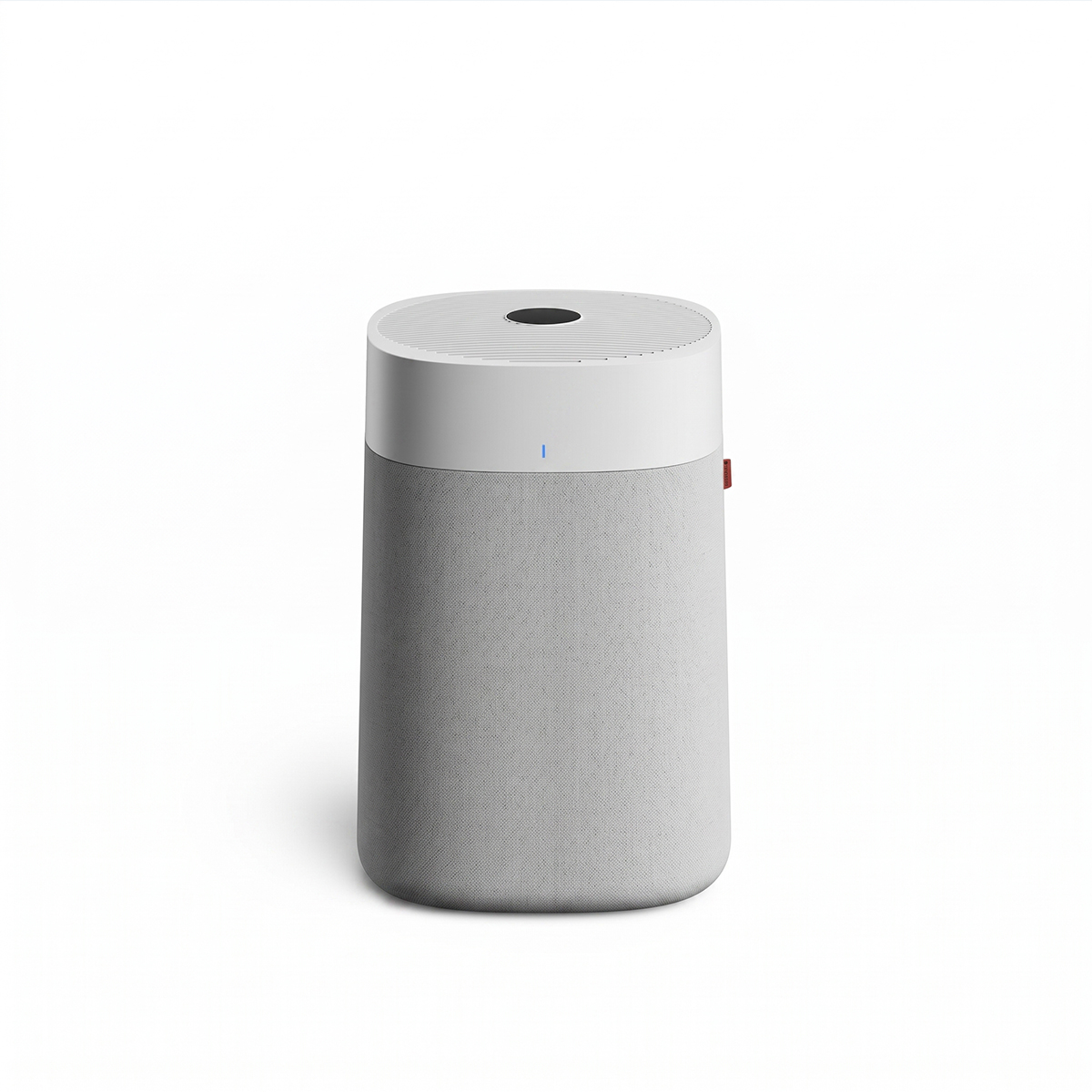
The Blueair Air Purifier is built for the room you spend the day in. It publishes 674 sq. ft. at 4.8 ACH with CADR of 450 pollen, 452 dust and 435 smoke 🌀 — the figures that tell you whether a machine can keep up with an open-concept living room.
The filtration pairs two methods. HEPASilent combines mechanical and electrostatic filtration so it moves a lot of air without running loud, and independent 2026 testing found it holding strong particle filtration even on its lower speeds.
It’s built to run itself. Three sensors feed Auto and Night modes, a Wi-Fi app tracks PM1, PM2.5 and PM10, Alexa and Google Home handle voice, and filter life runs up to nine months. Noise is stated at 23 to 53 dB on 46 W.
The size is what you give up. At 22.7 inches tall and 16.2 lb, owners and independent reviewers alike treat it as a large-room appliance rather than something you move around, and the top speed is clearly audible while it clears a room. Replacement filter cost comes up regularly in reviews, Auto doesn’t always ramp up as fast as people expect during cooking or smoke, and there are scattered reports of fan buzz or rattle needing a replacement unit. It’s a strong buy for a big main room, as long as it can stay where you put it.
Pros
674 sq. ft. at 4.8 ACH, with CADR published for all three pollutants
HEPASilent pairs mechanical and electrostatic filtration
Strong particle filtration even at lower fan speeds
Three sensors driving Auto and Night modes
Wi-Fi app tracks PM1, PM2.5 and PM10
Alexa and Google Home voice control
Filter life of up to nine months
Cons
22.7 inches and 16.2 lb, built to stay in one room
Top speed is clearly audible while it clears a room
Replacement filter cost comes up regularly in reviews

from Coway
Overall Grade
B+
Rating
9.0/10
OVERALL ANALYSIS
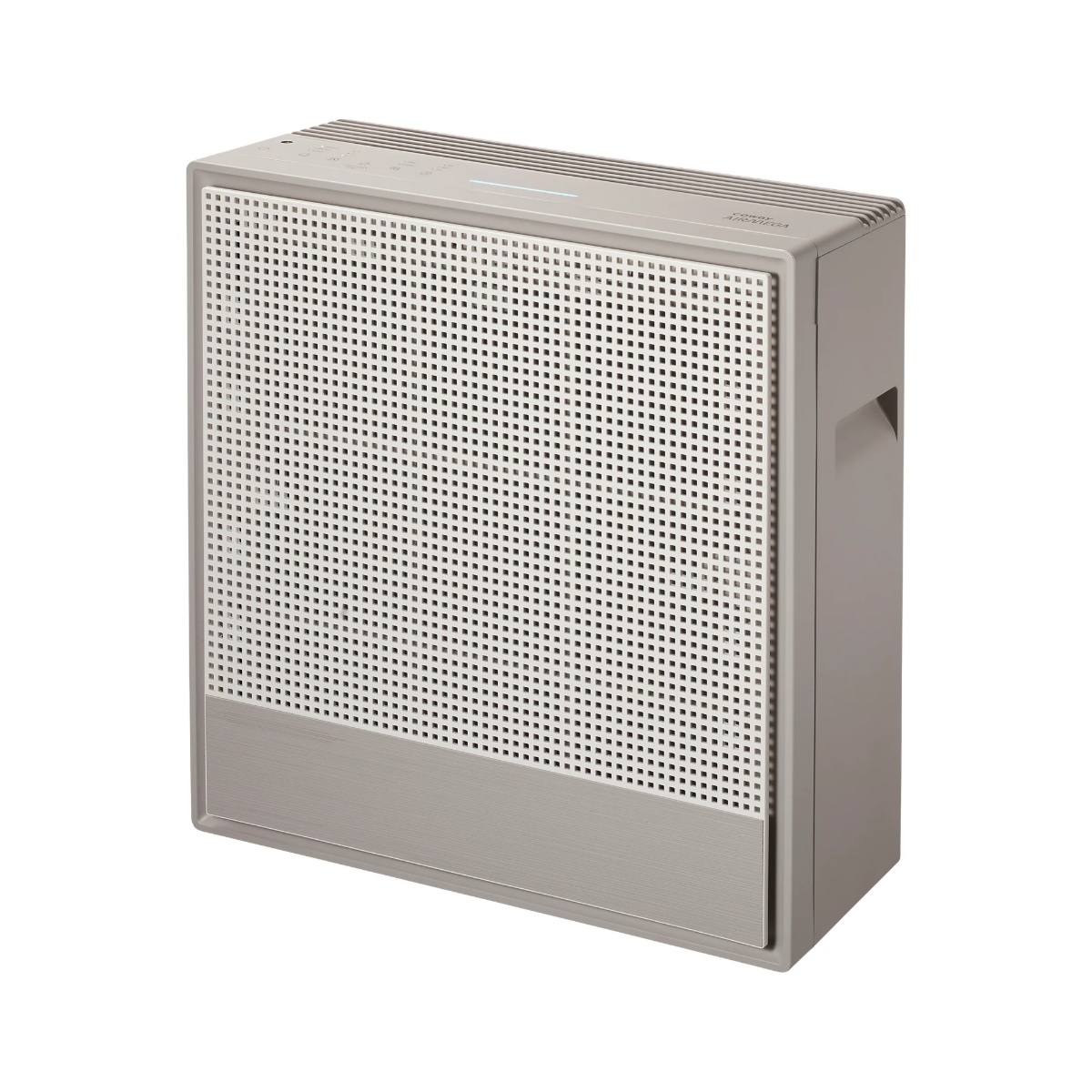
The Coway Air Purifier is built to be set once and left alone. Smart Mode runs Auto, Sleep and Eco between them, Rapid Mode handles a fast clean-up 🔄, and a 1, 4 or 8-hour timer covers the rest.
The specifications are unusually complete. 465 sq. ft. at 4 ACH with CADR of 249 smoke, 261 dust and 230 pollen, noise from 22 to 54 dB(A), 64 W, and a washable pre-filter ahead of a combined carbon and HEPA cartridge rated for about a year — enough to work out whether it suits your room before you buy.
The weight and the filters are the trade. At 20.5 lb it isn’t a machine you carry between rooms, and owners describe a noticeable jump in noise from speed one to speed two, which matters if you’re watching TV or on a call. Auto can be conservative about ramping up, and there have been complaints about the proprietary replacement filter being out of stock for months at a time — a supply risk rather than a permanent state, but worth knowing before you commit to a filter format. It’s a good fit for a fixed room where you’d rather not think about settings, as long as you can live with the weight.
Pros
Auto, Sleep, Eco and Rapid modes in one machine
465 sq. ft. at 4 ACH with all three CADR figures published
22 dB(A) at the lowest speed
Washable pre-filter ahead of the main cartridge
Combined carbon and HEPA cartridge lasts about a year
Noise, power draw and weight all published
Cons
20.5 lb, not a machine you carry between rooms
Noticeable jump in noise from speed one to speed two
Auto can be conservative about ramping up
Replacement filters have been out of stock for months at a time

from Levoit
Overall Grade
C+
Rating
8.6/10
OVERALL ANALYSIS
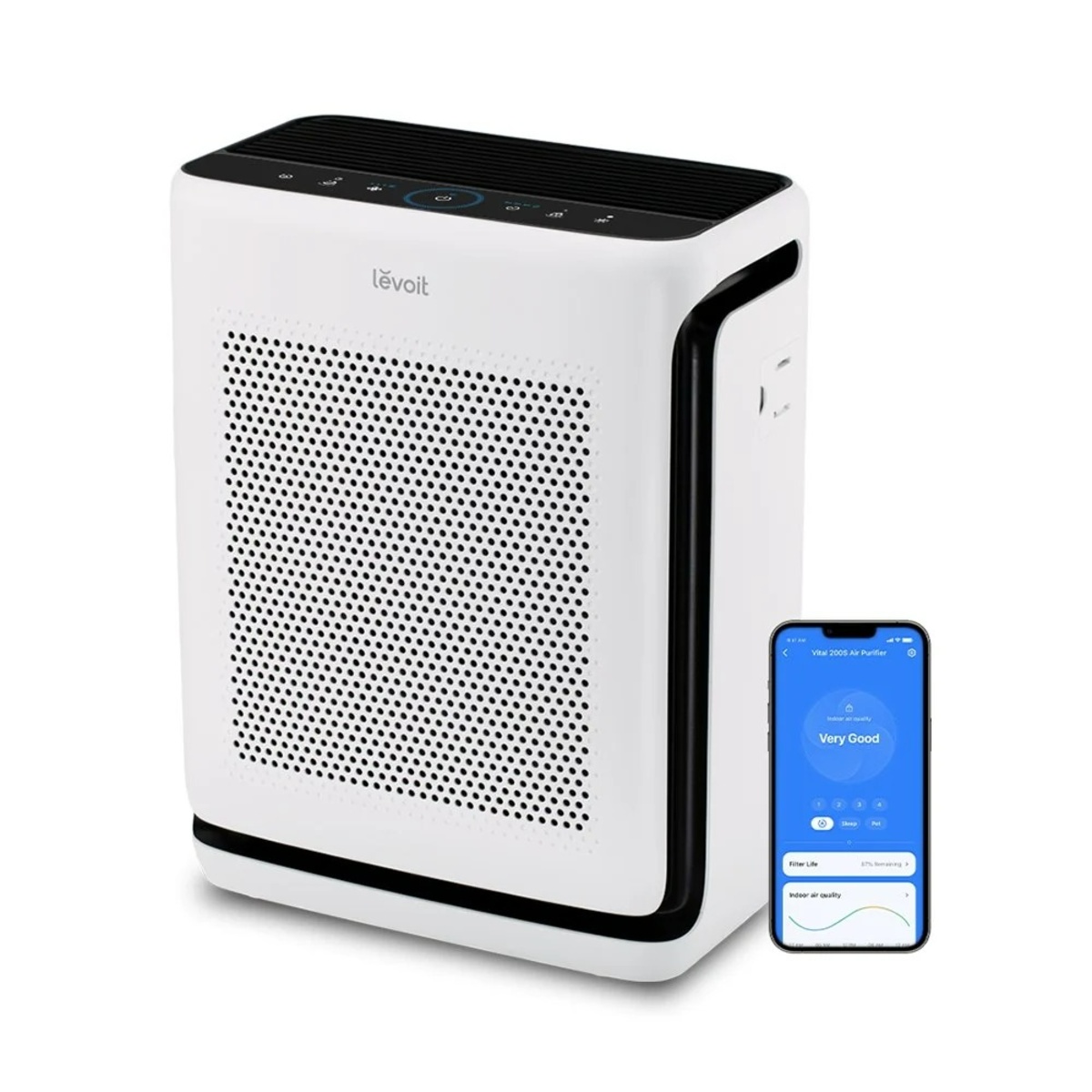
The Levoit Air Purifier is the one designed around pets. An extra U-shaped air inlet sits low on the body to pull in airborne fur 🐾, and a dedicated Pet Mode sets the fan to match.
The core numbers are published. 388 sq. ft. at 4.8 ACH on 250 CFM of CADR, noise from 23 to 54 dB and 50 W, with a washable pre-filter, an activated carbon layer and the main filter behind it.
The smart side is complete for the price. The VeSync app gives real-time air quality readings, schedules and remote control, Auto and Sleep run it hands-off, and Alexa and Google Assistant handle voice.
The sensor is the part you maintain. Levoit’s own manual asks you to clean the infrared dust sensor periodically, an independent long-term test found the sensor inlet collecting dust and skewing readings, and some owners describe the cleaning as a chore. Filter life also shortens in pet-heavy homes, closer to nine months for some owners than the full rated period, and at top speed it reaches 54 dB — the quiet here is a low-speed quiet. It’s a sensible pick for a shedding household that wants app control, as long as sensor cleaning stays on your list.
Pros
U-shaped air inlet aimed at airborne pet fur
Dedicated Pet Mode for shedding households
388 sq. ft. at 4.8 ACH on 250 CFM of CADR
VeSync app with real-time air quality and schedules
Alexa and Google Assistant voice control
Cons
Infrared dust sensor needs regular cleaning
Sensor inlet collects dust and can skew readings
Owners describe the cleaning routine as a chore
Filter life shortens to around nine months in pet-heavy homes
Reaches 54 dB at top speed, so the quiet is a low-speed quiet

Overall Grade
C
Rating
8.1/10
OVERALL ANALYSIS
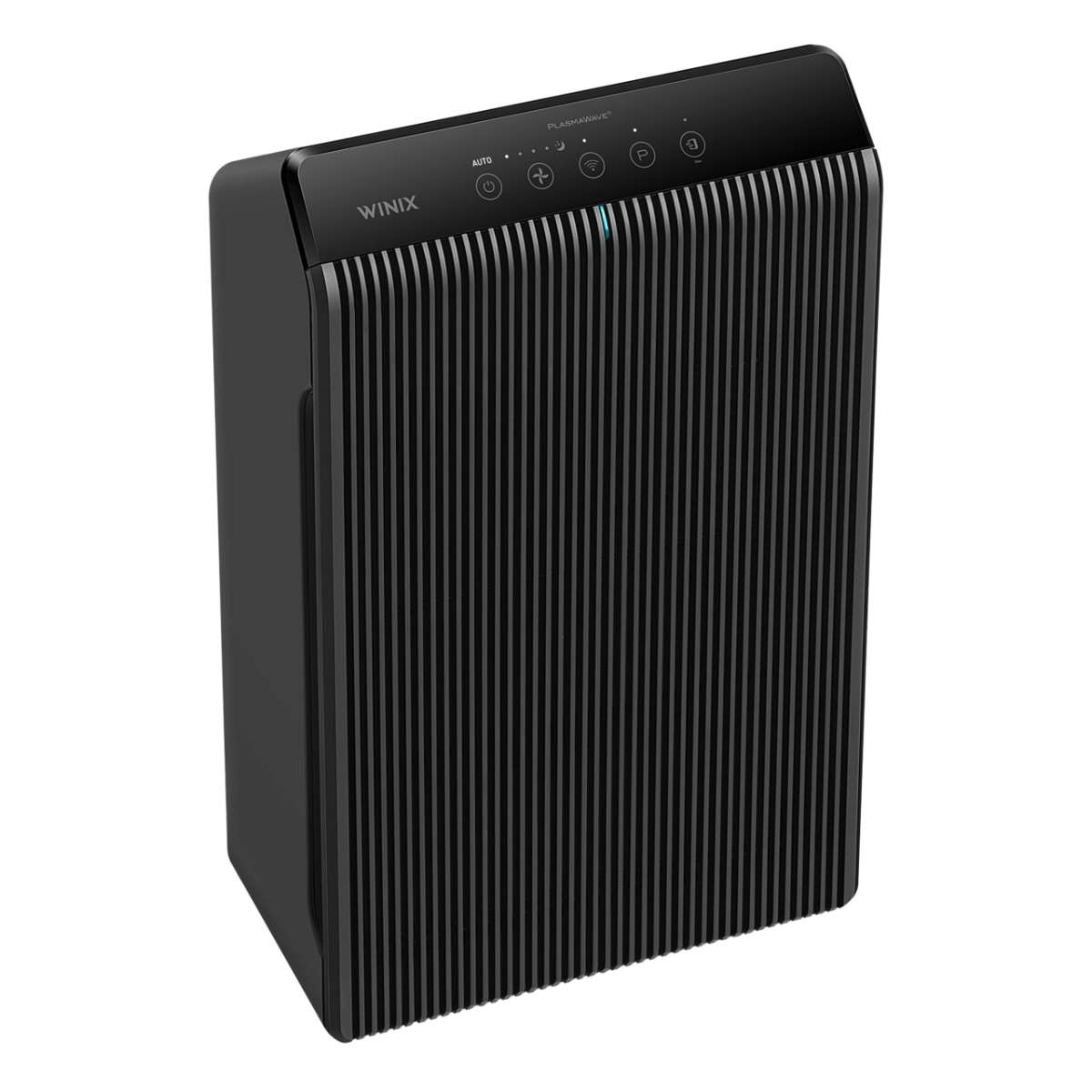
The Winix Air Purifier publishes what a careful buyer wants to check. AHAM room size of 392 sq. ft. at 4.8 ACH, CADR of 252 dust, 247 pollen and 253 smoke, plus AHAM, UL, CARB and Prop 65 listings 📋.
The odor stage is where it spends its money. AOC carbon pellets replace the thin carbon-coated mesh most machines use, which the brand positions specifically at kitchen smells, pet odor and smoke.
Smart features arrive at a lower price than usual. Dual smart sensors, Auto, Automatic Sleep and Wi-Fi with Alexa are all included, both the True HEPA and carbon filters are rated for 12 months, and it weighs 13.3 lb.
The electronics and the noise are the weak points. Retailer review summaries describe app control as convenient but glitchy, and verified buyers report trouble getting it onto Wi-Fi. There are repeated, though not widespread, reports of fan rattle or whirring, including from buyers who had it on two units. People who are very sensitive to noise still find night mode audible, and independent 2026 testing rated its cleaning strong but its top speed loud and its upkeep cost high. It’s a reasonable pick for odor and smoke priorities on a value budget, as long as app reliability isn’t critical to you.
Pros
AHAM room size, CADR and UL, CARB and Prop 65 listings all published
AOC carbon pellets aimed at kitchen, pet and smoke odors
Dual smart sensors with Auto, Sleep and Wi-Fi
Both HEPA and carbon filters rated for 12 months
Cons
App control described as convenient but glitchy
Verified buyers report trouble connecting it to Wi-Fi
Repeated reports of fan rattle or whirring
Night mode is still audible to noise-sensitive sleepers
Top speed is loud and upkeep cost rated high in independent testing
❓What Is an Air Purifier?
An air purifier is a fan and a set of filters in a box. It pulls room air through the filters, traps particles in them, and pushes the cleaner air back out, which is why placement and airflow matter as much as the filter itself. It works on what’s floating in the air — dust, pollen, pet dander, smoke particles and some odors — and it doesn’t fix a damp basement, a mold source or a room with no ventilation. Those need dealing with at the source first.
The coverage figure on the box is the most misleading number in the category. Room size means nothing without the air changes per hour it was measured at: the same machine might be listed at 1,800 sq. ft. at 1 ACH and 390 sq. ft. at 4.8 ACH. For allergies, pets or smoke, 4.8 ACH — about one air change every twelve minutes — is the figure worth comparing, and CADR in CFM is what makes two machines comparable at all.
Filter percentages describe media, not machines. 99.97% at 0.3 µm is the standard HEPA benchmark for the filter material, and it says nothing about how fast a given machine moves air through it, which is why a high-grade filter on a weak fan still cleans a room slowly. The stages do different jobs too: a pre-filter catches hair and lint so the expensive filter lasts longer, HEPA handles fine particles, and activated carbon adsorbs certain gases and odors — it holds them rather than destroying them, and how much it can hold depends on how much carbon is in there.
Two more things to keep in mind. Built-in air quality sensors are useful but they aren’t lab instruments; they drift as dust collects on them, so most manuals ask you to clean them, and a steady manual speed often beats Auto during pollen season or a smoky evening. And if a machine includes an ionizer or UV-C stage, check the ozone and certification details before buying — the EPA notes that ionizers aren’t good at removing gases and odors, and portable air cleaners sold in California need CARB certification.
🎯 Key Features & Advantages: Air Purifiers
Surfaces Stay Clean Longer: Less floating dust settling means the coffee table and shelves stop needing a wipe every other day.
Pet Smells Stop Living in the Room: Carbon stages cut the background odor that people stop noticing in their own house but guests don’t.
Pollen Season Gets Easier Indoors: Closing the windows actually works when something is pulling what got in back out of the air.
Dinner Doesn’t Follow You to Bed: Running it high for twenty minutes after cooking clears the smell instead of letting it settle in.
The Bedroom Stays Dark: A display that switches off completely means overnight filtration without a glow in the corner.
One Machine Can Cover a Day: A handle means the bedroom at night and the living room in the afternoon, rather than buying two.
You Can See It Working: A pre-filter full of hair and lint is the clearest proof that something is coming out of the air.
Wildfire Days Are Manageable: With the windows shut, a purifier is the one thing you can actually do about outdoor smoke indoors.
🔍 Smart Buying Guide: Air Purifiers
Read Room Size With Its ACH: A coverage figure only means something alongside the air changes per hour it was measured at.
Compare CADR, Not Square Feet: CADR in CFM is the number that lets you line two machines up against each other honestly.
Check the Night Numbers: Look for the lowest dB figure and whether the display can be switched off, not just whether a sleep mode exists.
Count the Filter Stages: A washable pre-filter protects the expensive filter behind it and stretches how long it lasts.
Price the Filters, Not Just the Machine: Work out the yearly replacement cost and check the filters are actually in stock.
Leave It Room to Breathe: Intakes need clearance, and a 360° design pushed into a corner loses much of its airflow.
Decide How Hands-On You Want to Be: Sensors and apps add convenience and add maintenance, and simple buttons never need reconnecting.
⚠️ Smart Shopper Alert: Air Purifiers
Reading Maximum Coverage as Real Coverage: A big square-foot figure measured at 1 ACH is nowhere near enough for allergies or smoke.
Treating a HEPA Percentage as Machine Speed: 99.97% describes the filter media, and a weak fan behind it still cleans a room slowly.
Expecting Carbon to Destroy What It Catches: Activated carbon adsorbs certain gases and odors and holds them, and thin carbon mesh holds far less than pellets.
Trusting Auto Mode Like a Meter: Household sensors drift as dust builds on them, so heavy pollen or smoke usually calls for a manual speed.
Using a Purifier Instead of Fixing the Source: Mold, leaks, ventilation and constant smoke need dealing with first, whatever the machine is doing.
By Simone Adler
Simone Adler is a seasoned Home Air Quality Analyst with years of experience testing over 30 air purifiers and filtration systems. Specializes in performance evaluation of everyday home purifiers for pet owners, allergy households and light sleepers.