In-Depth Product Analysis for Informed Consumer Choices

Best 5 Ear Plugs for Sleeping of 2026
Sleep Through Snoring, Skip the Sore Ears
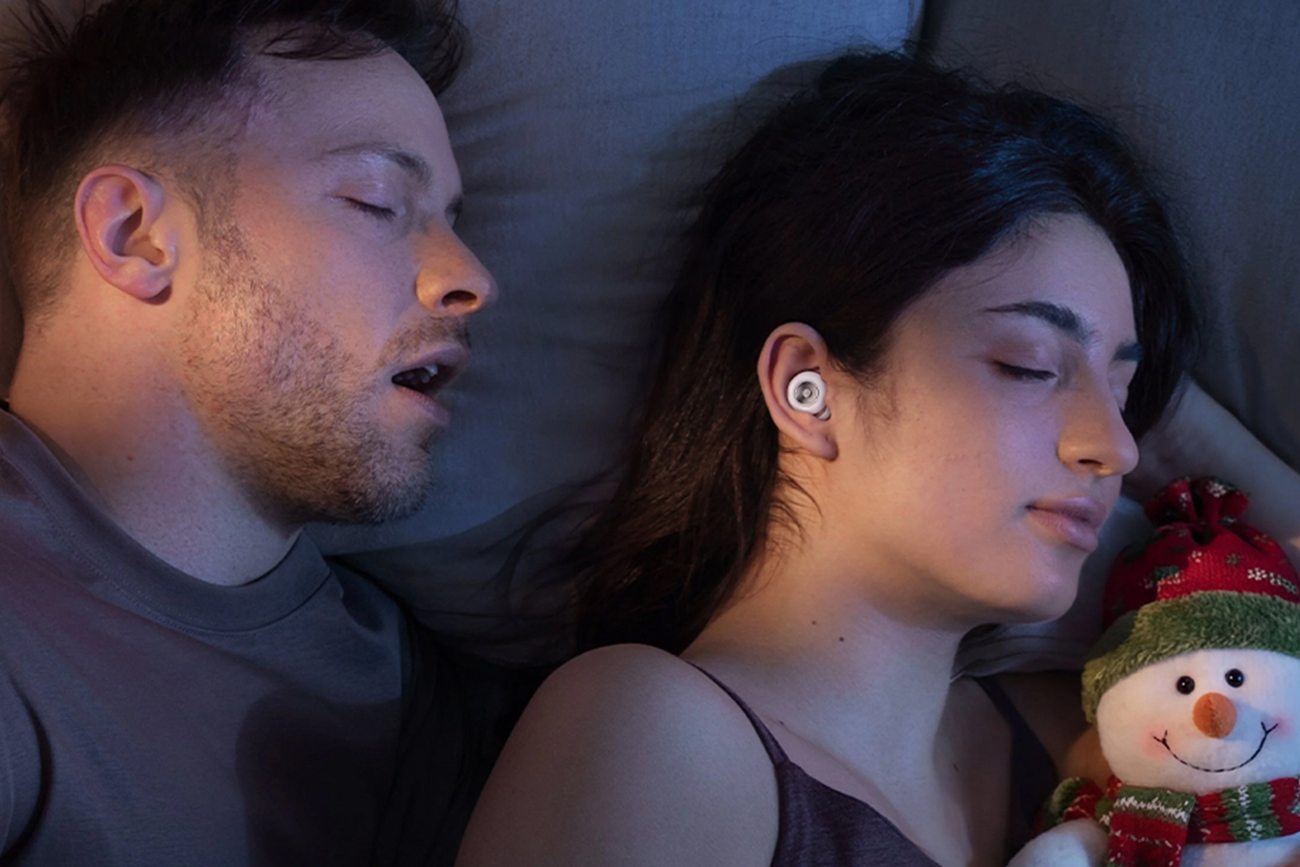
Picture this: it’s 11:40 at night, you’re lying on your side, and the person next to you has just started snoring again. 😴 I’ve been there — foam plugs that felt fine for half an hour, then an ear that ached enough to wake me at two in the morning anyway.
Most people don’t realize how much all-night comfort, a seal that holds, and how easily they clean decide whether sleep earplugs still get used in week two. Buy on a decibel number alone and you get plugs that block plenty and press your ear awake by 2 a.m. ⚠️, or a size that seals in one ear and leaks in the other.
After testing 28 sleep earplugs over three years, the pair that suits the most sleepers is the Clorant Sleep Ear Plugs. A low-profile ring shape and several sizes in the box 🌙 mean the pressure spreads instead of pushing back, and there’s nothing to charge, pair or update before bed.
We did the comparing so you don’t have to. Every pair here went through the same four checks, and the traps that catch first-time buyers are already ruled out — decibel figures measured three different ways, soundproof claims that never mean silent, and the sizing question that decides more than any spec. What’s left is a short list you can decide from in ten minutes.
Whether you’re sleeping beside a snorer, on a street that never quiets down, or through daylight after a night shift, our top 5 ear plugs for sleeping represent the best value across reusable, custom and electronic designs. Let’s dive into what separates these five from a bag of disposable foam.
By Iris Calloway
Iris Calloway is a seasoned Sleep Products Analyst with 3+ years of experience testing over 28 sleep earplugs and noise-reduction devices. Specializes in performance evaluation of overnight comfort and seal reliability for side sleepers.
Our Evaluation Standards
All-Night Comfort for Side Sleepers
Evaluated how each pair feels after four hours against a pillow, since anything that presses your ear awake at 2 a.m. has already failed at the only job that matters
Getting a Seal That Holds
Tested how easily each one seats, how many sizes come in the box, and whether the seal survives a night of turning over
How Much Noise Actually Drops
Assessed what each maker publishes and how it was measured, because NRR, SNR and a frequency attenuation table are three different things
Living With Them Every Night
Measured cleaning, reuse and what has to happen before bed, from swapping tips to remembering to charge something

from Clorant
Overall Grade
A+
Rating
9.6/10
OVERALL ANALYSIS
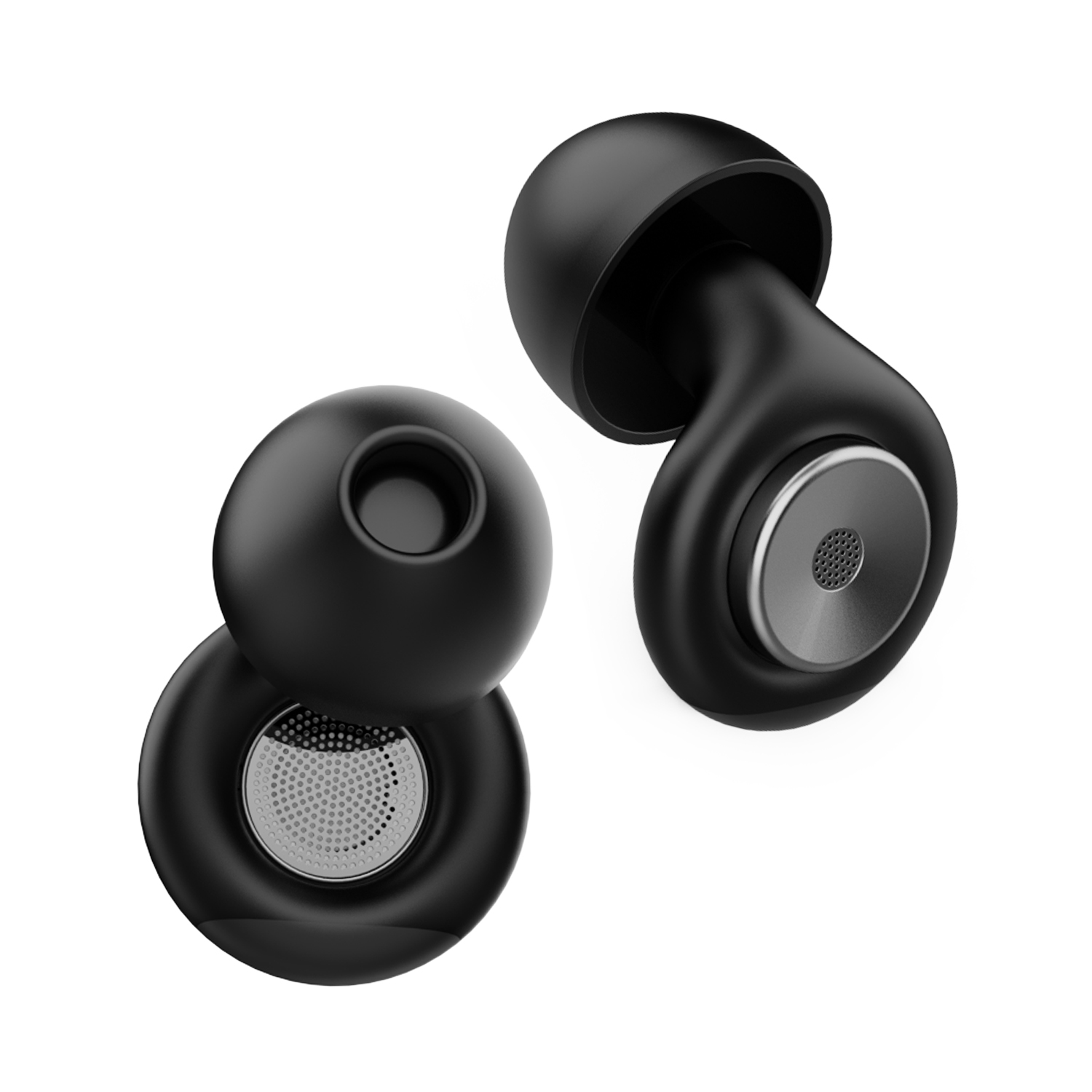
The Clorant Sleep Ear Plugs are built for the position most people actually sleep in. A low-profile ring shape sits close to flush with the ear 😴, so the side of your head meets the pillow instead of driving a plug further into your ear every time you turn over.
The noise drops because the seal holds, not because of a number on the box. A soft silicone ring closes the ear canal, and the brand’s own lab testing puts the reduction between 25 and 45dB, depending on how well the plug seats and what the sound is — a range rather than one figure, because that is how passive plugs actually behave. Several sizes come in the box for the same reason: the side that leaks needs a different size on that side, not a different product. Heavy snoring and sirens still come through, quieter rather than gone.
Nothing to charge, pair or update. These are passive earplugs, so putting them in is the entire routine. No battery to keep an eye on, no app to open at bedtime, and nothing that can disconnect itself at three in the morning.
Wash them and use them again tomorrow. Soft silicone rinses clean with warm water and mild soap, and because each plug is one piece there’s no foam tip to roll back, invert or come off in your ear. One pair lives on the nightstand instead of a bag of foam going into the trash every morning, and a carry case keeps them clean in a suitcase or a work bag.
Whether you’re sleeping beside a snorer, on a busy street or through the morning after a night shift, this pair’s low-pressure design is built around wearing them all night rather than around one number on the box. Five colors also keep two pairs in the same house from getting mixed up.
Pros
Low-profile ring shape sits close to flush with the ear
Built for side sleepers who turn over through the night
25 to 45 dB, depending on how well they seal
Several sizes in the box for ears that differ left to right
One-piece silicone with no foam tip to roll or invert
Passive design with no battery, app or pairing
Washes with warm water and mild soap
One pair replaces a bag of disposable foam plugs
Carry case included for travel and nightstand storage
Five colors so two pairs don’t get mixed up
Cons
Occasionally out of stock due to strong demand
Delivery takes 1-2 days longer than major brands.
THE RESULT
The Clorant Sleep Ear Plugs stand out as 2026’s most complete everyday pick for side sleepers, combining a low-pressure shape with several sizes, washable silicone and no electronics to manage. Its all-night comfort 🏆 and simple routine justify a quick decision before peak-season stock runs out.

from soundcore
Overall Grade
B+
Rating
9.3/10
OVERALL ANALYSIS
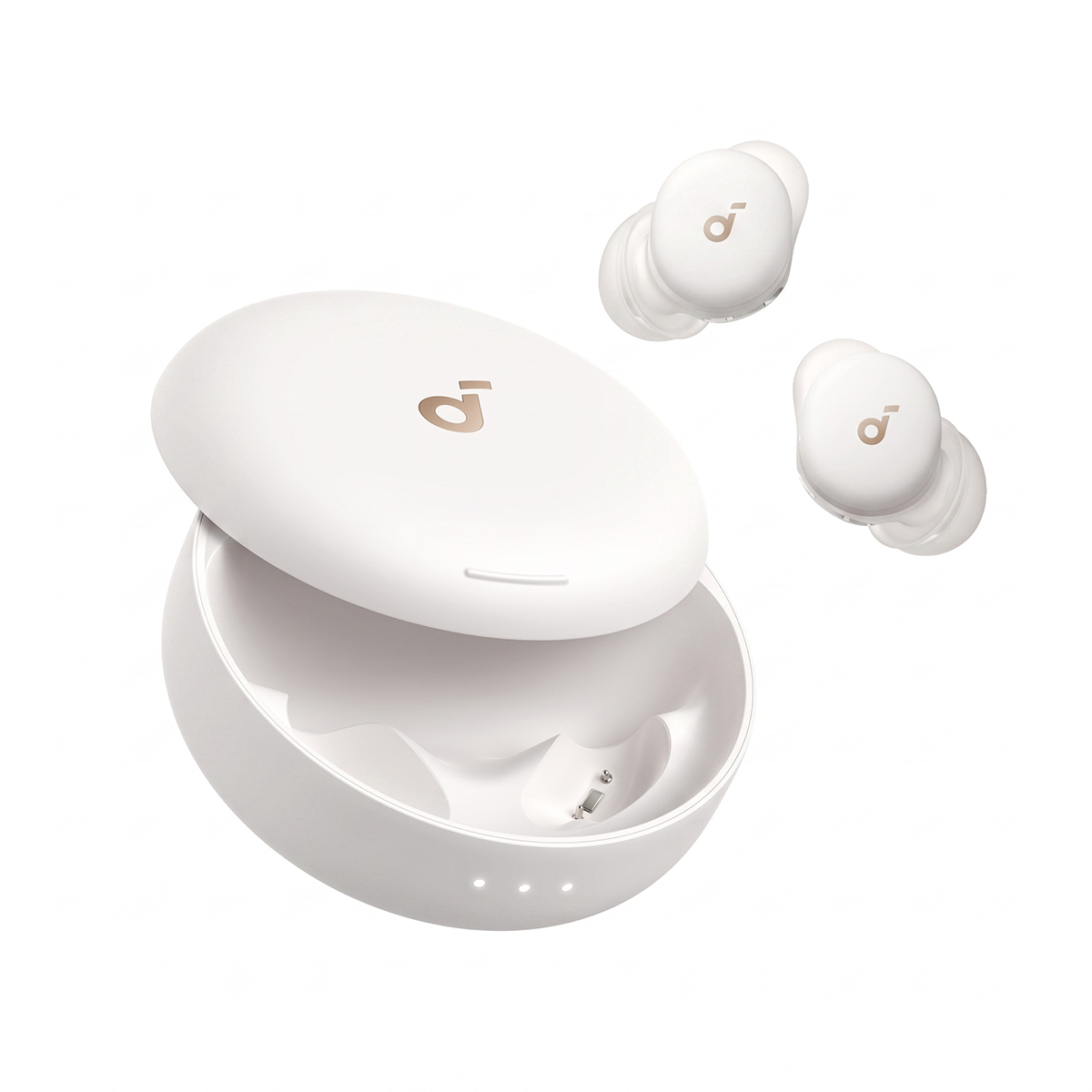
The soundcore Sleep Earbuds take the opposite approach. Rather than blocking sound physically, they add active noise cancellation and sound masking on top of a passive fit 🎧 — a different tool for a different kind of sleeper.
The masking is what passive plugs can’t do. Adaptive snore-masking listens for a partner’s snoring and covers it, and white noise, sleep stories and Bluetooth audio give you something to fall asleep to instead of silence.
The fit is genuinely small. Each earbud weighs about 3 g with a 3D shape aimed at side sleepers, it runs 8 to 10 hours on a charge with a case for extra nights, connects over Bluetooth 5.4 with an app for personal settings, and carries an IPX4 rating.
Electronics bring electronics problems. Independent testing found runtime falling short of a full night with ANC running, and buyers repeat the same concern; snore detection, sleep tracking and firmware behavior draw inconsistent reports; some side sleepers still feel pressure after cycling through wings and tips; and ANC alone doesn’t erase loud or irregular snoring, so masking audio often has to finish the job. It’s a strong buy for people who want ANC and audio in bed, as long as charging something every day suits you.
Pros
Active noise cancellation on top of a passive fit
Adaptive snore-masking covers a partner’s snoring
White noise, sleep stories and Bluetooth audio built in
About 3 g per earbud, with a shape aimed at side sleepers
8 to 10 hours per charge, with a case for extra nights
Bluetooth 5.4 and an app for personal settings
IPX4 rated against sweat and splashes
Cons
Runtime falls short of a full night with ANC running
Snore detection, tracking and firmware draw inconsistent reports
Some side sleepers still feel pressure after trying every tip

from 1of1 Custom
Overall Grade
B+
Rating
9.0/10
OVERALL ANALYSIS
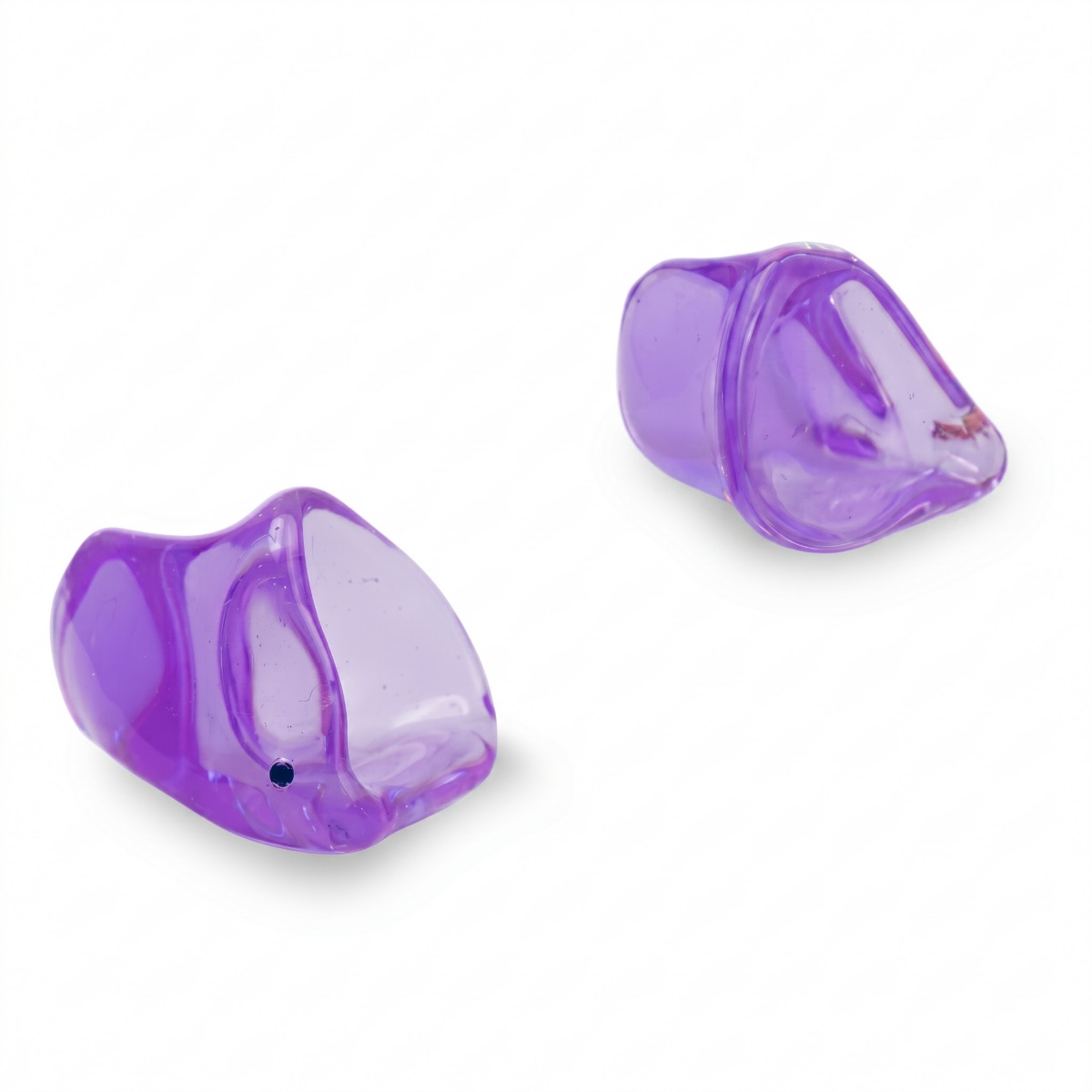
The 1of1 Custom Sleep Ear Plugs are made from a mold of your own ear. Instead of picking a size and hoping, you send ear impressions and get plugs shaped to your canal 👂, which takes the guesswork out of sizing entirely.
The sleep version is shaped for the pillow. The outer concha area is thinned down specifically for side and stomach sleeping, the material is soft silicone rather than hard acrylic, and the brand states around 28 to 30dB of sound reduction. Production runs about 10 working days once your impressions arrive.
The process is the cost. You have to get ear impressions made before you can order, then wait for production, and a pair lost on a trip isn’t replaced the same day. Buyer feedback also splits on side-sleep comfort — some still describe the material as firm against a pillow and a few have needed a remake — and reported noise blocking runs from excellent to less than expected, which shows a custom fit is not an automatic guarantee of isolation. It’s a good fit for people whose ears have never worked with standard sizes, as long as you can wait out the process.
Pros
Molded from impressions of your own ears
Concha area thinned for side and stomach sleeping
Soft silicone rather than hard acrylic
Around 28 to 30dB of sound reduction stated by the brand
Handles ears that differ noticeably from left to right
About 10 working days of production once impressions arrive
Cons
Ear impressions have to be made before you can order
No same-day replacement if a pair is lost on a trip
Side-sleep comfort still splits opinion, and some need a remake
Reported noise blocking runs from excellent to less than expected

from Loop
Overall Grade
C+
Rating
8.6/10
OVERALL ANALYSIS
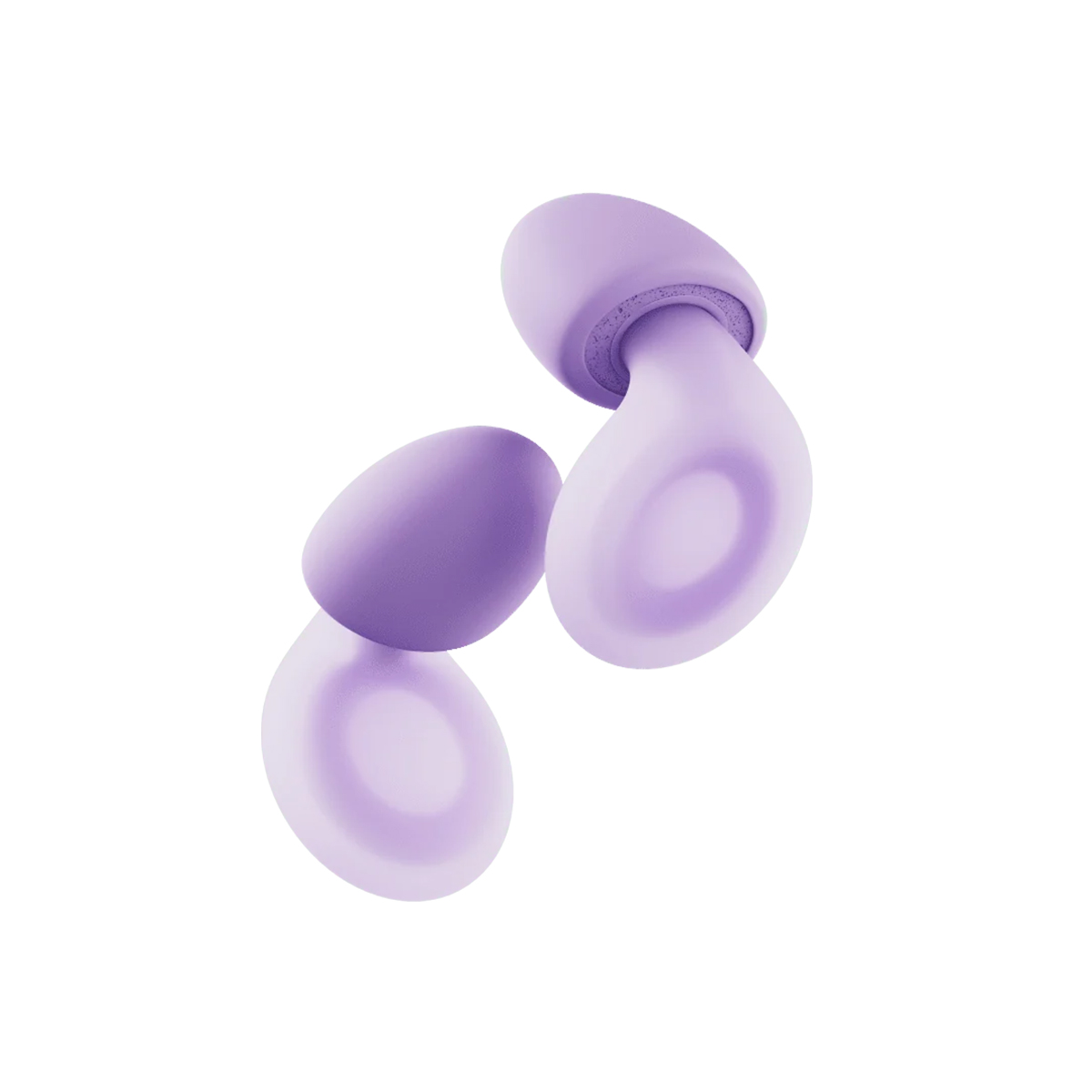
The Loop Sleep Ear Plugs arrive with tens of thousands of reviews behind them 💤. A low-profile body in soft silicone is positioned by the brand specifically for side sleepers.
The published figures are there. Noise reduction is stated at 27dB (SNR) with certified hearing protection, which puts a number and a standard behind the marketing rather than a claim on its own.
The fit system is unusually adjustable. Two tip types — foam-silicone and double tips — come in four sizes from XS to L, and every part comes off for cleaning, so there’s real room to solve an ear that never seals properly.
Getting there takes practice. Reviews repeat that seating them correctly has a learning curve, with people swapping sizes and adjusting the angle over several nights, and Loop itself says loud snoring may still be audible. Some owners report them working loose after a night of movement when the tip size is off, foam-silicone tips can roll or invert during handling, and sensitive ears still report canal fatigue — the side-sleeper shape isn’t comfort without conditions. It’s a sensible pick for people who’ll spend a few nights dialing in the size, as long as you’re not counting on it to erase heavy snoring.
Pros
Low-profile body in soft silicone, positioned for side sleepers
27dB (SNR) with certified hearing protection
Two tip types, foam-silicone and double tips
Four sizes from XS to L in the box
Every part comes off for cleaning
Cons
Seating them correctly takes several nights of practice
Loop says loud snoring may still be audible
Some report them working loose after a night of movement
Foam-silicone tips can roll or invert during handling
Sensitive ears still report canal fatigue

from Alpine
Overall Grade
C
Rating
8.1/10
OVERALL ANALYSIS
The Alpine Sleep Ear Plugs give you data instead of a headline. Rather than a single marketing number, Alpine publishes an attenuation table across frequencies 📊 alongside CE and ANSI certification, which is what you want if you’d rather check figures than trust a claim.
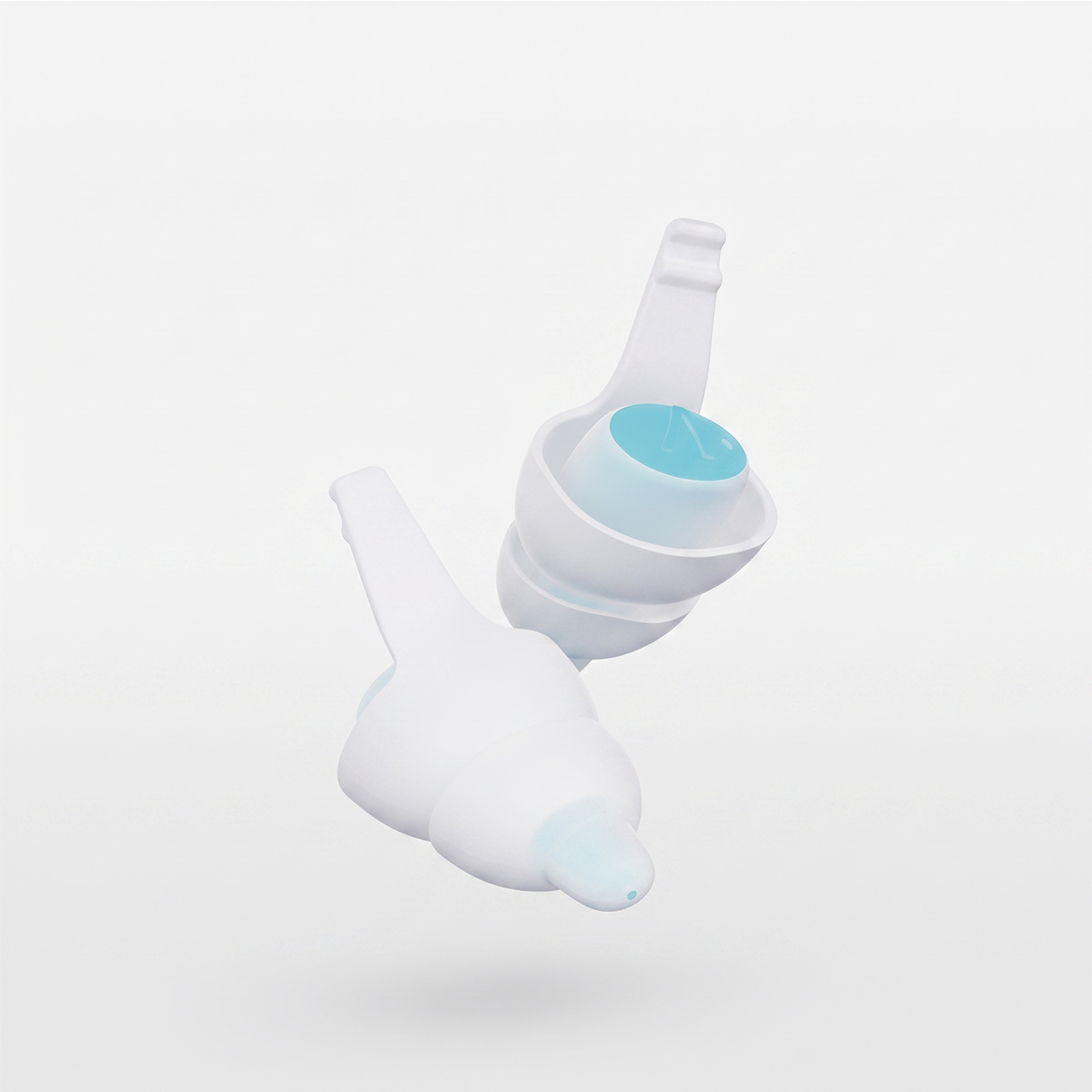
The shape is built for the pillow. An oval body follows the shape of the ear canal instead of a round plug pressing against it, and S, M and L sizes come in the multisize set.
The brand has decades in hearing protection behind it, which is why that data exists at all — Alpine is used to publishing numbers that get checked, and the same testing culture sits behind the certification. The multisize set is built around trying sizes across several nights until one seats properly.
The seal still decides everything. Buyers report clearly hearing snoring or road noise when the fit isn’t right, several needed multiple nights to find the correct size and insertion depth, and there are reports of plugs working loose overnight and of small parts wearing. A few reviews describe a plug lodging in the canal and needing help to remove it, which makes the insertion and removal instructions worth reading properly. Sealed plugs also make you more aware of your own breathing and heartbeat. It’s a reasonable pick for budget-conscious side sleepers who want published data, as long as you’ll spend a few nights finding your size.
Pros
Attenuation table published across frequencies, not one number
CE and ANSI certified
Oval body follows the shape of the ear canal
S, M and L sizes in the multisize set
Cons
Snoring and road noise get through when the fit isn’t right
Several nights needed to find the right size and insertion depth
Reports of plugs working loose overnight and small parts wearing
A few reports of a plug lodging in the canal
Sealed plugs make your own breathing and heartbeat more noticeable
❓What Are Ear Plugs for Sleeping?
Sleep earplugs reduce noise physically. A soft plug seals the ear canal so less sound energy reaches your eardrum, which is called passive noise reduction — no power, no electronics, nothing to switch on. Plenty of listings use the phrase noise cancelling ear plugs, but true active noise cancellation needs microphones, a battery and a chip, and that describes sleep earbuds rather than earplugs. Both can help; they solve the problem in completely different ways.
The decibel numbers on the box are the least comparable spec in the category. NRR is the US rating, SNR is the European one, and the two aren’t interchangeable figures. Some brands publish a frequency attenuation table instead, which tells you far more, since a plug that handles a rumbling air conditioner well may do less against a sharp door slam. And a number written as up to is a ceiling measured in a lab, not what your ear will get on a pillow.
Whatever the rating says, the seal decides your night. A plug that isn’t seated properly loses most of its effect, and most people need a few nights to find the size and insertion depth that work. Ears also differ from left to right often enough that a mismatched pair of sizes is normal rather than a defect, which is why a box with several sizes is worth more than a higher number on a box with one.
Two things to keep in mind before you buy. No earplug makes a room silent — heavy snoring, sirens and a barking dog usually still come through, quieter rather than gone, and any product promising silence is overselling. And you should still be able to hear a smoke alarm, a baby monitor or an alarm clock: the goal is turning disruptive noise into background, not sealing yourself off from the sounds that matter.
🎯 Key Features & Advantages: Ear Plugs for Sleeping
You Stop Waking Up Every Hour: A partner turning over, light snoring or a door in the hallway stops ending your sleep cycle.
Side Sleeping Stops Hurting: Low-profile plugs let your ear meet the pillow instead of being pressed further into your head.
One Pair Instead of a Bag of Foam: Washable silicone lives on the nightstand rather than going in the trash every morning.
Travel Stops Being a Gamble: Hotel hallways, planes and a shared room at a family visit all become sleepable.
Day Sleep Actually Works: Shift workers get lawnmowers, deliveries and neighbors pushed down to background instead of alarms.
No Charging, No App, No Pairing: Nothing to remember before bed and nothing that can fail in the middle of the night.
Sizes That Match Your Ears: Several tips in the box mean one ear that always leaked can finally seal.
Nobody Has to Change Their Habits: You solve the noise on your side instead of asking a partner or a roommate to.
🔍 Smart Buying Guide: Ear Plugs for Sleeping
Comfort Before Decibels: A plug that presses your ear awake at 2 a.m. has failed, no matter how much noise it blocks.
Count the Sizes in the Box: Ears differ left to right, so several tips beat one size with a bigger number on the packet.
Check How the Rating Was Measured: NRR, SNR, a frequency attenuation table and a brand’s own in-house figure are four different things, and none of them line up against each other.
Passive Plugs or Sleep Earbuds: Earbuds add masking and ANC but bring charging, an app and a battery that ages.
Cleaning and Reuse: Silicone that rinses in warm water stays hygienic; anything fiddly to clean quietly stops getting cleaned.
Profile Against the Pillow: Anything that sticks out past the ear becomes a pressure point the moment you roll onto it.
What You Still Need to Hear: Make sure alarms, a baby monitor or a smoke detector can still reach you through them.
⚠️ Smart Shopper Alert: Ear Plugs for Sleeping
Comparing dB Figures Across Brands: Those numbers come from different standards and test methods, so lining them up side by side tells you nothing useful.
Buying Maximum Blocking Over Comfort: The plug that wakes you with a sore ear costs you the night the quiet was supposed to buy.
Judging a Pair on the First Night: Sleep earplugs live or die on the seal, and most people need a few nights and a size change to find it.
Expecting Silence: Passive plugs muffle heavy snoring, sirens and alarms rather than removing them, whatever the listing says.
Skipping the Cleaning: Reusable silicone collects wax and oils, and a dirty plug seals worse and isn’t hygienic to keep using.
By Iris Calloway
Iris Calloway is a seasoned Sleep Products Analyst with 3+ years of experience testing over 28 sleep earplugs and noise-reduction devices. Specializes in performance evaluation of overnight comfort and seal reliability for side sleepers.