In-Depth Product Analysis for Informed Consumer Choices

Best 5 Padel Rackets of 2026
Bigger Sweet Spot, Fewer Dead Balls
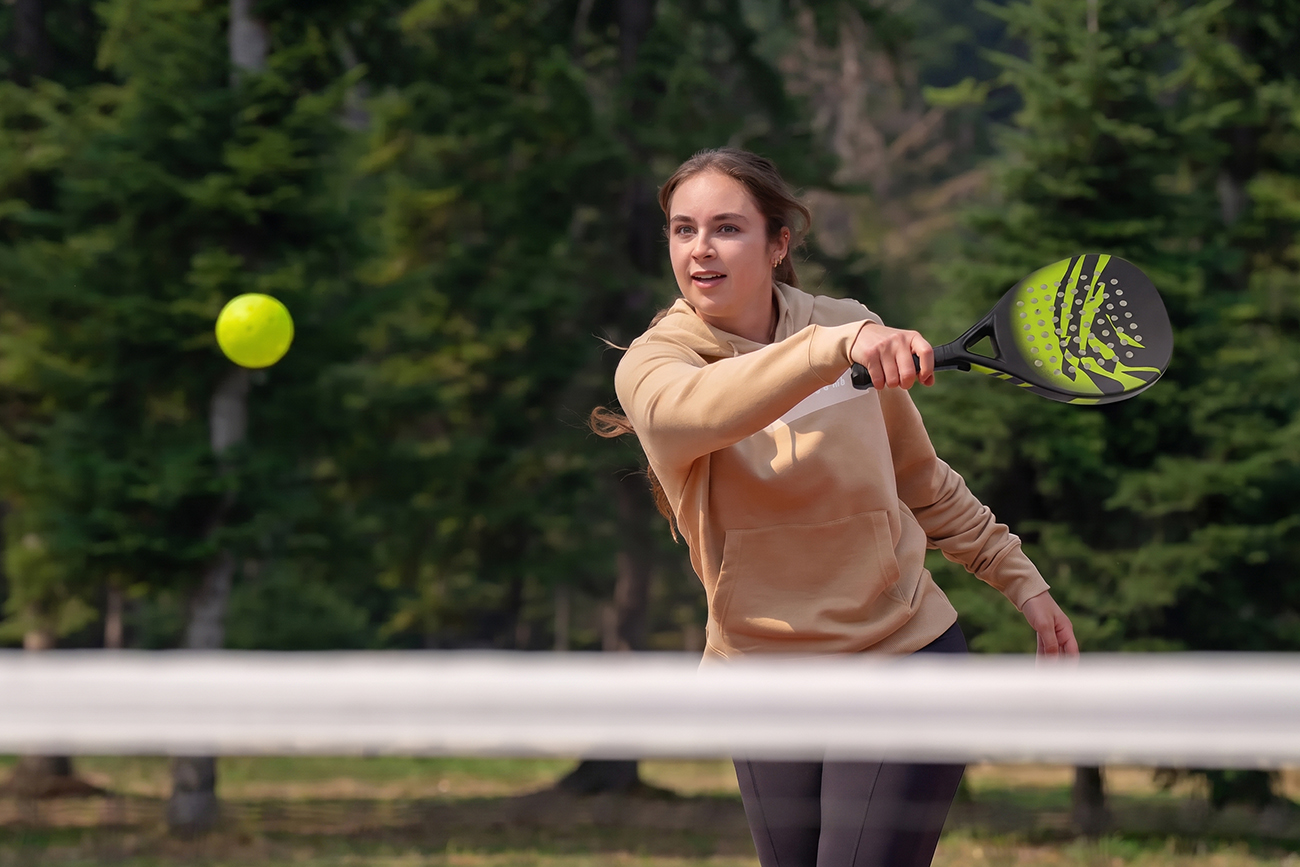
It’s the third game and you catch one off the edge of the frame. On a forgiving racket that ball still lands deep and the rally goes on. On the wrong one it dies at the net 🎾, and you spend the rest of the set second-guessing a swing that was fine.
That’s the choice nobody explains before you buy. Shape, sweet spot and balance decide whether a racket covers for you or punishes you, and most listings talk about carbon percentages instead. Buy on power claims alone and you get a head-heavy frame that has your forearm aching by the third set ⚠️, or a soft beginner racket you’ve outgrown in a season.
The 16K carbon on the box isn’t the number that matters. Balance changes how a racket feels far more than the fiber spec does, and a 355 g head-heavy frame can wear you out faster than a balanced 365 g one. We tested 30 rackets and judged every one on the same four things: forgiveness, comfort, spin and how quickly they move.
The one that suits the most club players is the Clorant Padel Racket. A round face, a carbon and fiberglass blend and an EVA Memory Flex core give you room to miss the middle without losing the point, and enough spin and support to keep using as you improve.
Below is what to look for, what to avoid, and how the five compare. Whether you’re stepping up from a rental racket or finally replacing the one you learned on, our top 5 padel rackets cover everything from forgiving all-rounders to attacking flagships.

By Nate Quintero
Nate Quintero is a seasoned Racket Sports Analyst with years of experience testing over 30 padel rackets. Specializes in performance evaluation of all-around frames for club players moving from beginner to intermediate.
Our Evaluation Standards
Forgiveness on Off-Center Hits
Evaluated what happens when you catch the ball away from the middle, since that is most shots for most club players and the difference between a deep reply and a dead ball
Comfort Over a Long Match
Tested how much shock reaches the arm across three sets, because a frame that hurts by the last game changes how you swing long before you admit it
Spin and Control
Assessed surface texture and feel on bandeja, víbora and sliced volleys, where a smooth face leaves you to supply all the spin yourself
Weight and Balance in the Hand
Measured how quickly each frame gets to the ball in a net exchange, which depends on balance far more than the number on the spec sheet

from Clorant
Overall Grade
A+
Rating
9.6/10
OVERALL ANALYSIS
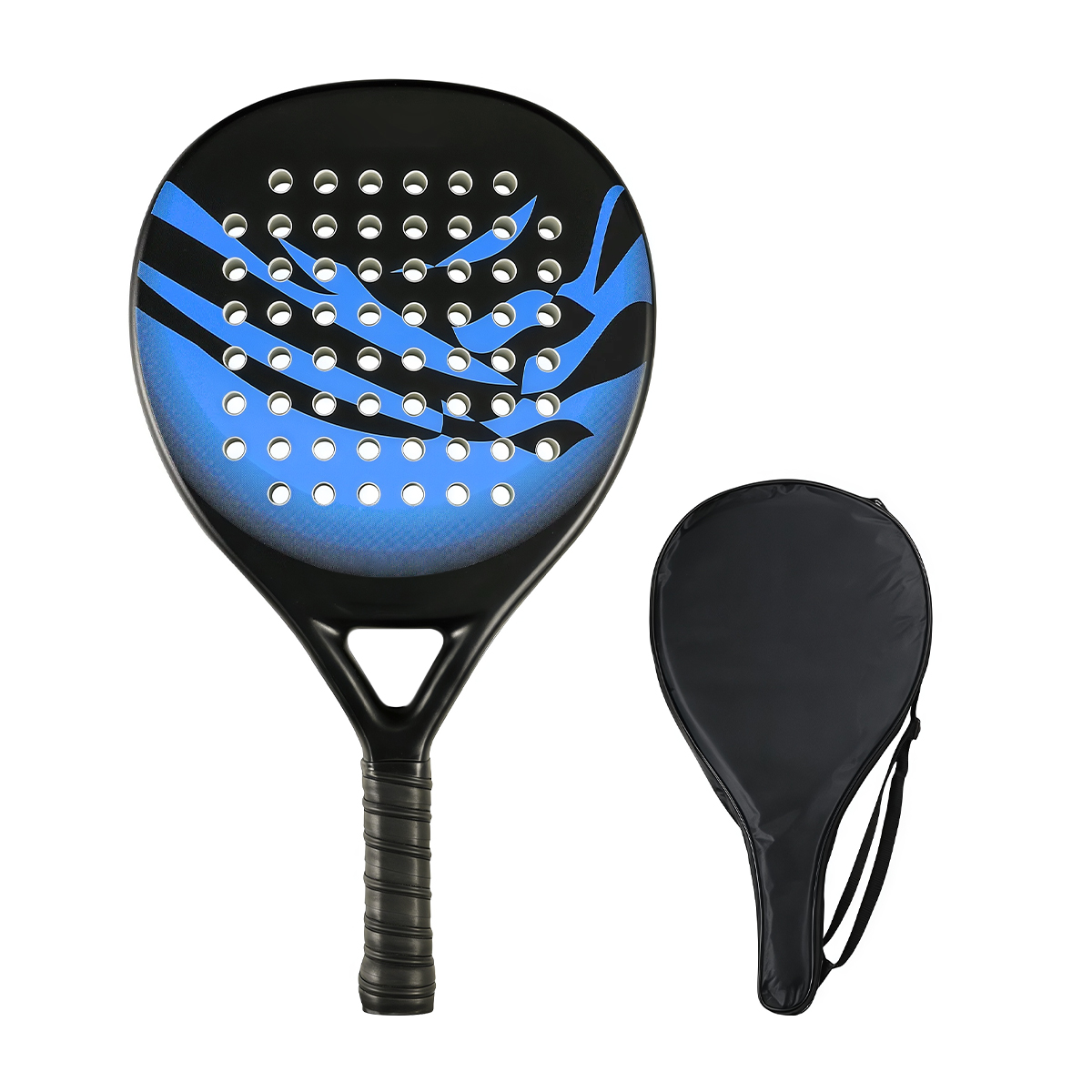
The Clorant Padel Racket is built to cover for you. A round face at 27 × 25 cm (10.6 × 9.8 in) puts the sweet spot in the middle, where most club players actually make contact 🎾, so a ball caught off-center still comes back deep instead of dying at the net. For most people that’s most shots.
The face supports the shot without punishing your arm. A 50% carbon, 50% fiberglass blend sits firmer than an all-fiberglass beginner frame and softer than full carbon, and an EVA Memory Flex foam core takes the sting out of the balls you don’t middle. It’s the blend that lets the racket keep up as your swing gets faster, instead of being replaced in a season.
Spin is available before your technique is. A textured spin-effect face grips the ball on bandeja, víbora and sliced volleys — the difference between a smooth beginner frame where every bit of spin comes from your hand and one that helps you learn the shot.
It still gets to the ball in a hand battle. At 365 g (12.9 oz) with a 38 mm profile and 52 symmetrical holes through the face, it stays quick enough for reflex volleys at the net while keeping enough mass behind a defensive lob off the back glass. That mix is what makes one racket work at both ends of the court.
Whether you’re stepping up from a rental or replacing the racket you learned on, this frame’s all-around build means one racket for defense, the net and the overhead. A one-piece triple damping design with a triangular reinforcement keeps the frame stable, and an ergonomic ventilated grip with an anti-slip overgrip holds up once your hands start sweating.
Pros
Round face at 27 × 25 cm with a central sweet spot
50% carbon, 50% fiberglass face for support without harshness
EVA Memory Flex foam core softens off-center hits
Textured spin-effect face for bandeja and víbora
365 g (12.9 oz) stays quick in a net exchange
38 mm profile with 52 symmetrical holes
One-piece triple damping construction
Triangular reinforcement for frame stability
Ergonomic ventilated grip with an anti-slip overgrip
One racket for defense, the net and the overhead
Cons
Occasionally out of stock due to strong demand
Delivery takes 1-2 days longer than major brands.
THE RESULT
The Clorant Padel Racket stands out as 2026’s most complete all-around pick, combining a round face and EVA Memory Flex core with a textured spin face and a balanced 365 g feel. Its margin for error 🏆 and room to improve justify a quick decision before peak-season stock runs out.

from adidas
Overall Grade
B+
Rating
9.3/10
OVERALL ANALYSIS
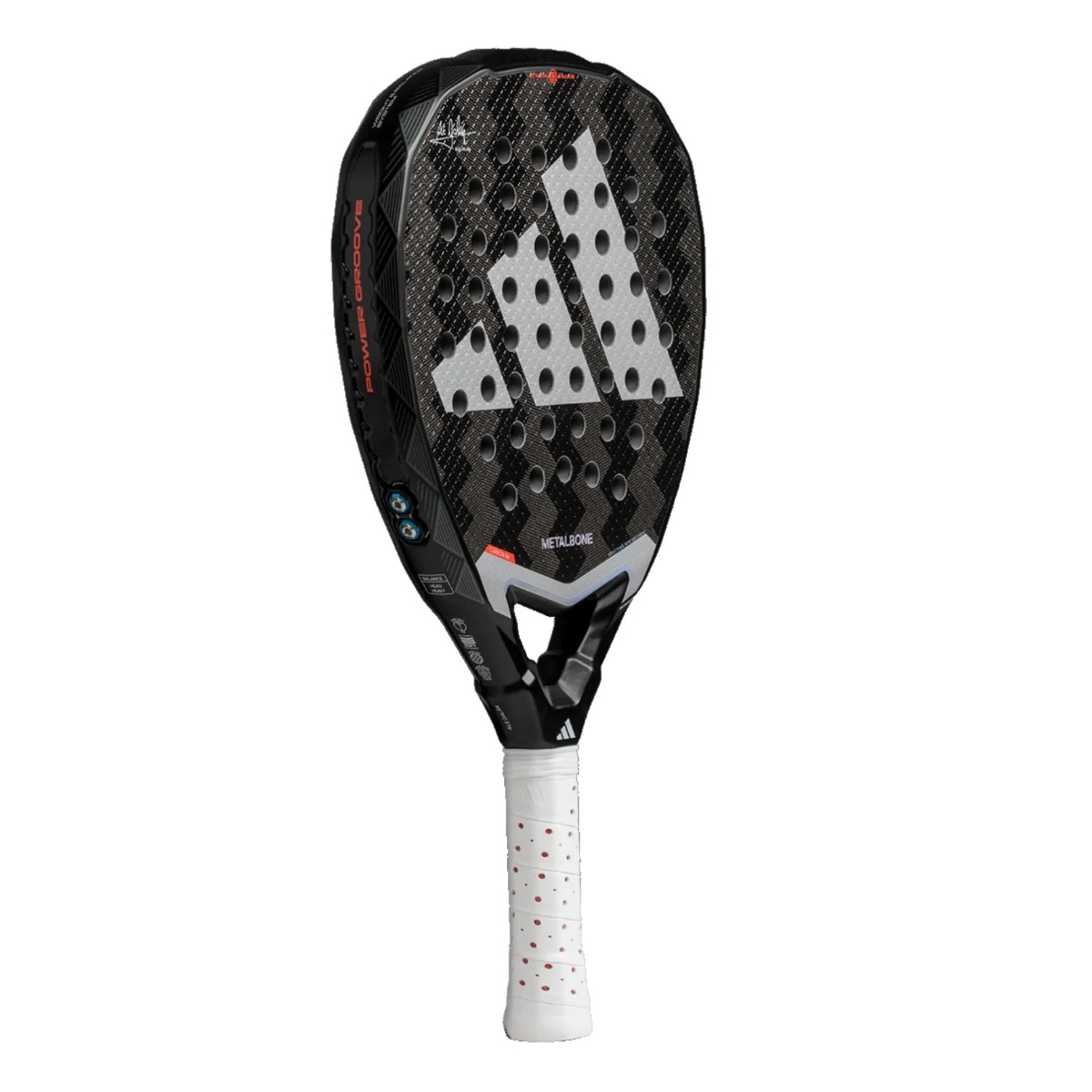
The adidas Padel Racket is the attacking option. A diamond head-heavy shape on a 16K carbon face puts the sweet spot high, where a smash finishes points 🔥.
You can tune it, which is rare at any price. A Weight & Balance System adds up to 11.2 g where you want it, so the same frame can be set up for a fast indoor court or a heavier ball outdoors.
The construction backs that up. An EVA Soft Performance core, an octagonal structure, power grooves and smart holes work together at 345–360 g on a 38 mm profile and a 455 mm frame.
It asks a lot in return. Head-heavy weight is the theme that comes up most in owner feedback, and it builds through long net exchanges and third sets. Defense is more demanding — users say late, low balls off the glass are harder to retrieve than on a control frame — and with the sweet spot sitting high, a mishit costs more. Some owners also feel the extra power trades away a little control on fast swings. It’s a strong buy for advanced players who finish points overhead, as long as your technique is already there.
Pros
16K carbon face on a diamond head-heavy shape
Weight & Balance System adds up to 11.2 g where you want it
EVA Soft Performance core
Octagonal structure with power grooves and smart holes
345–360 g on a 38 mm profile
455 mm frame length
Tunable for different courts and conditions
Cons
Head-heavy weight builds through long net exchanges
Defense off the glass is more demanding than on a control frame
High sweet spot makes mishits cost more

from Babolat
Overall Grade
B+
Rating
9.0/10
OVERALL ANALYSIS
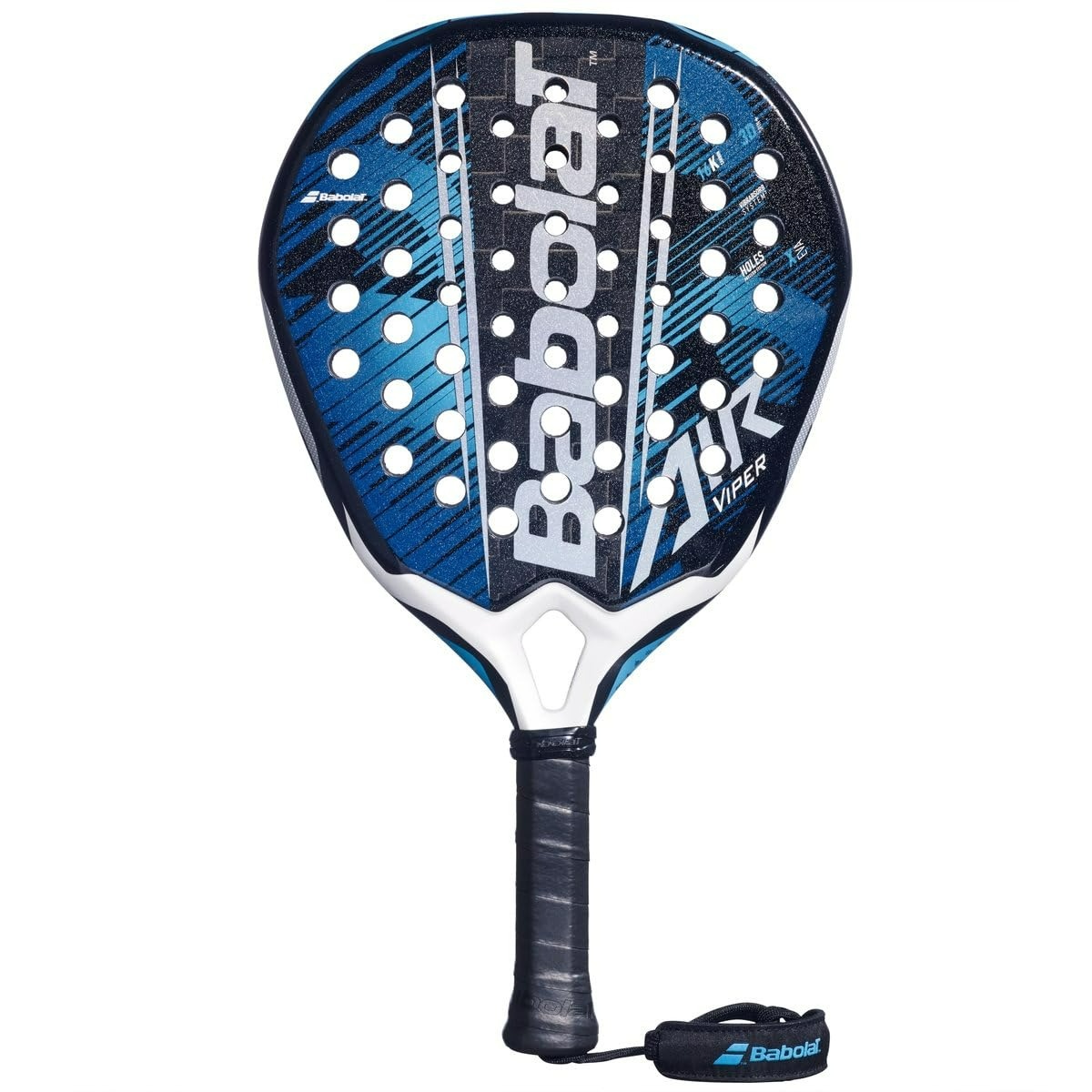
The Babolat Padel Racket is built around speed. At 355 g with a teardrop shape and a 265 mm balance, it moves quickly through a hand battle ⚡.
The materials are premium. A 16K carbon face over an X-EVA core gives direct feedback under a fast swing, 3D Spin+ texture bites on víbora and kick smash, and VIBRABSORB SYSTEM² with a smart buttcap handles vibration. The profile is 38 mm.
The trade is margin. Independent testing and user reports both point to a small-to-medium sweet spot, so late or low defensive contact loses depth quickly. The 16K carbon and firmer feel aren’t naturally kind to sensitive elbows even with the damping system, and a few owners find it short of raw smash mass next to heavier frames in the same line. It rewards a fast, clean swing and gives little back if you’re relying on the racket for depth. It’s a good fit for quick-handed players who live at the net, as long as you already find the middle consistently.
Pros
355 g teardrop with a 265 mm balance
16K carbon face over an X-EVA core
3D Spin+ texture for víbora and kick smash
VIBRABSORB SYSTEM² with a smart buttcap
38 mm profile
Built for reflex volleys and net pressure
Cons
Small-to-medium sweet spot loses depth on late contact
Firm 16K carbon feel isn’t naturally elbow-friendly
Less raw smash mass than heavier frames in the same line
Rewards a fast clean swing and gives little back without one

from HEAD
Overall Grade
C+
Rating
8.6/10
OVERALL ANALYSIS
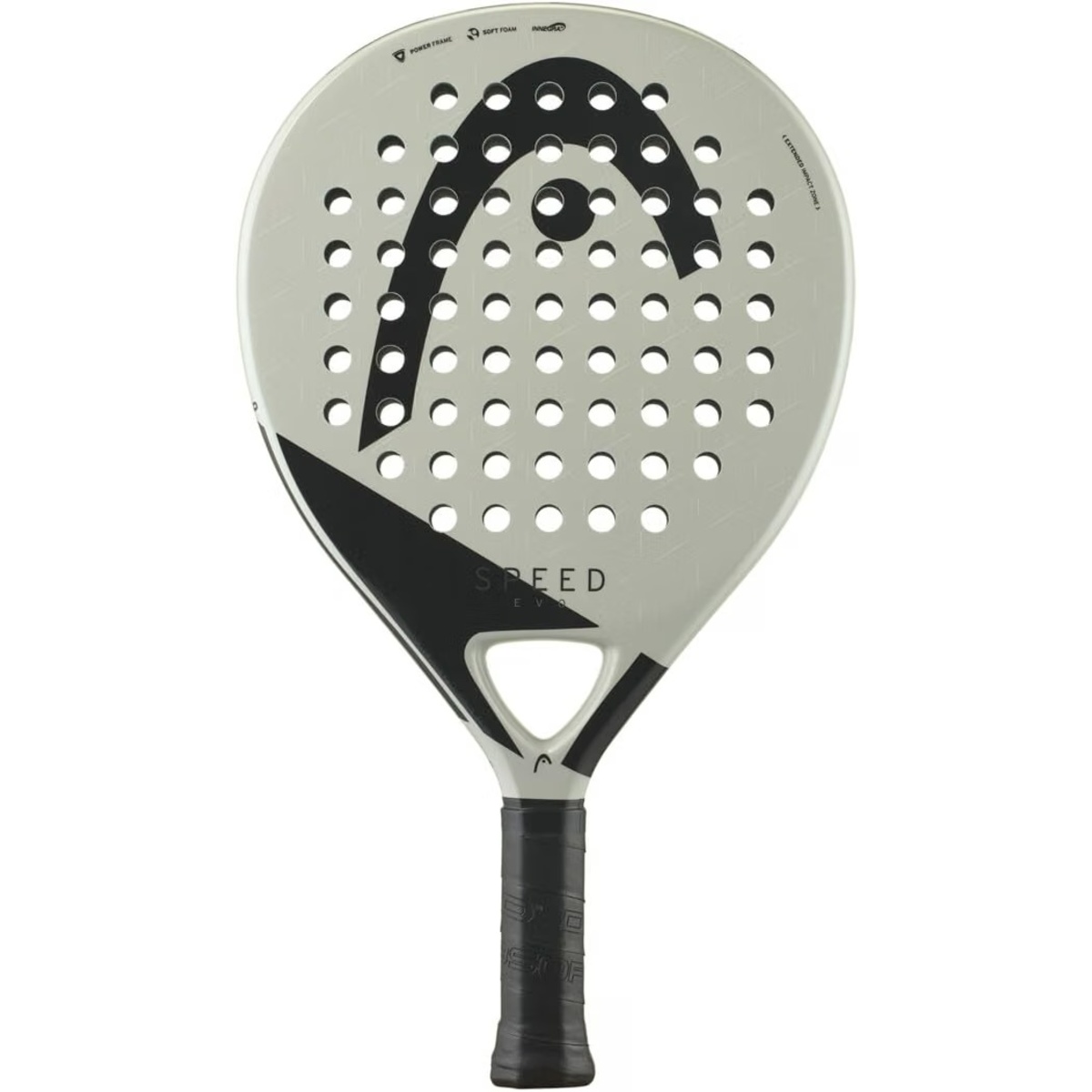
The HEAD Padel Racket is built to be a first racket. An oversized teardrop face and a Soft Foam core at 350 g forgive late contact and off-center hits without asking anything of your technique.
Comfort is the whole design. Fiberglass with Innegra reinforcement keeps the frame soft on impact, which matters if you’re playing your first full season and your forearm is still catching up.
The brand and the price help too. It’s a familiar name at a price below most of this list, which is exactly what someone buying a first real racket wants to hear.
The ceiling arrives early. Power is the most repeated complaint in user reviews — owners say plainly that they wish it hit harder — and the smooth, untextured face means spin comes from your hand rather than the racket. Some describe the ball dying on shots where the soft foam absorbs a harder swing, and improving players consistently say they want something firmer and more precise within a season. It’s a sensible pick for a first racket you’ll play once a week, as long as you accept that you may outgrow it.
Pros
Oversized teardrop with a large sweet spot
Soft Foam core for comfort on impact
Fiberglass with Innegra reinforcement
350 g, lighter than most of this list
Familiar brand at an accessible price
Cons
Power ceiling is the most repeated complaint in reviews
Smooth untextured face leaves spin entirely to you
Ball can die on shots where the soft foam absorbs the swing
Improving players want something firmer within a season
Built as a learning frame rather than a long-term one

Overall Grade
C
Rating
8.1/10
OVERALL ANALYSIS
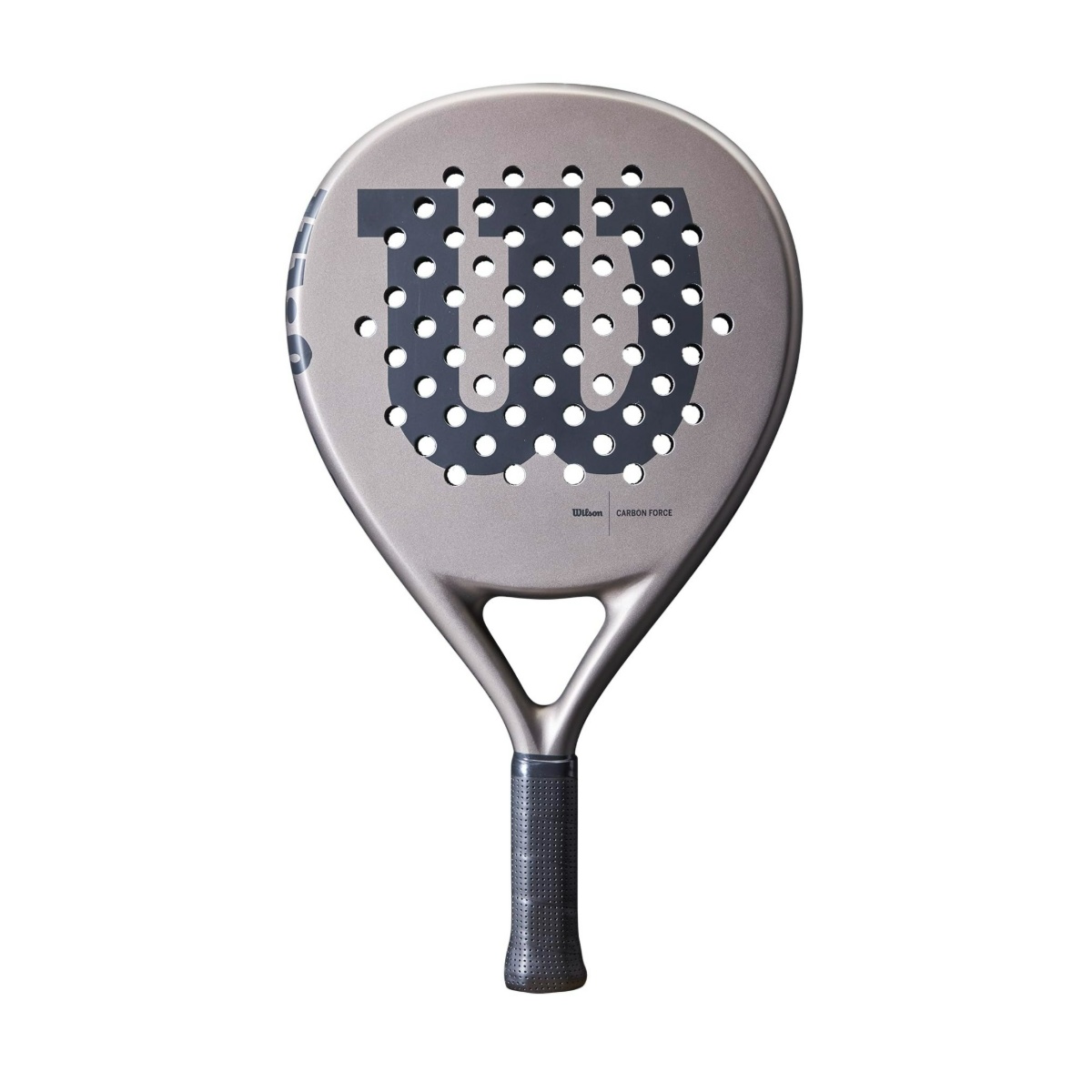
The Wilson Padel Racket is the familiar-brand step up. A carbon and fiberglass face over a Soft EVA core sits between a beginner frame and a full carbon flagship 🎾.
It leans toward attack. The teardrop shape and power-oriented tuning push more toward smashes and forward pressure than a round control frame does, at roughly 12.8 oz (363 g).
Small things help. A textured face gives some bite on slice, and a detachable wrist cord is a genuinely useful touch that plenty of frames leave out.
The compromises follow the tuning. Buyers describe it as feeling heavy in the head, so fast net exchanges and long matches take more out of you than the static weight suggests, and the sweet spot is smaller than a round frame’s, so off-center contact is punished more. Control isn’t the priority here either, which shows on passive defense and fine placement — owner opinion splits fairly cleanly between people who like the solid attacking feel and people who find the head too heavy. It’s a reasonable pick for players adding attack to a familiar brand, as long as maximum forgiveness isn’t the goal.
Pros
Carbon and fiberglass face over a Soft EVA core
Teardrop shape tuned toward attack
Textured face for bite on slice
Detachable wrist cord included
Cons
Feels heavy in the head during fast exchanges
Smaller sweet spot punishes off-center contact
Control isn’t the priority on passive defense
Listings disagree on teardrop versus diamond shape
Version naming varies, so check the current SKU before ordering
❓What Is a Padel Racket?
A padel racket is a solid, stringless frame with a perforated face, shorter and thicker than a tennis racket and heavier than a pickleball paddle. Padel is played in a glass-walled court where balls come back off the walls, so the racket has to handle defensive retrieves from the glass as often as it handles attacking shots. That’s why shape matters more here than in most racket sports.
Three shapes cover the category, and they’re really three sweet spot positions. Round places it centrally, which gives the widest margin and the most control. Teardrop sits in the middle, balancing forgiveness against power. Diamond puts it high on the face for maximum smash power, and punishes anything that isn’t hit there. As a rule, the further up the sweet spot moves, the better your contact has to be.
Weight and balance are two different things and buyers mix them up constantly. Balance is where the mass sits along the frame, and it changes how heavy a racket feels while you swing far more than the static number does. A 355 g head-heavy frame can be more tiring through a long match than a balanced 365 g one. Carbon grades work the same way: a higher K number describes the fiber weave, not a bigger sweet spot, more comfort or a better match for your level.
Two things worth checking before you order. Surface texture wears differently depending on how it’s made — a molded 3D pattern holds its bite longer than a rough paint coating — so treat spin claims as something that fades with use. And model names get reused across years and variants, where Team, Pro and LT versions of the same line can differ in shape, weight, balance and core, so match the spec to the exact listing rather than the family name.
🎯 Key Features & Advantages: Padel Rackets
Off-Center Balls Still Come Back: A central sweet spot turns a mishit from a lost point into a deep, playable reply.
Rallies Last Longer: More clean contact means fewer free points handed over, and games that actually feel like games.
Your Arm Survives Three Sets: A foam core and damping mean the last game feels like the first rather than something to get through.
Defense Off the Glass Gets Easier: You stop swinging hard just to get depth on a ball coming off the back wall.
Spin Becomes Learnable: A textured face bites enough that bandeja and víbora start working before your technique is perfect.
Net Exchanges Stop Feeling Late: A frame that moves quickly gets the head into position in a reflex volley instead of trailing behind.
Your Timing Finally Settles: One consistent racket beats a different rental every week for building repeatable contact.
Room to Keep Improving: A frame you don’t outgrow in a season saves buying twice while you’re still developing.
🔍 Smart Buying Guide: Padel Rackets
Pick the Shape Before the Brand: Round for margin, teardrop for balance, diamond for power, and be honest about your contact.
Read Balance, Not Just Weight: Where the mass sits decides how heavy a racket feels in a rally more than the number in grams.
Check the Surface Texture: A smooth face leaves every bit of spin to you, and painted roughness fades faster than a molded pattern.
Match the Core to Your Arm: Softer foam suits comfort and long sessions; firmer cores suit fast, clean swings and more feedback.
Don’t Buy the Carbon Number: A higher K count describes the weave, not forgiveness, comfort or how well it suits your level.
Grip Thickness Matters More Than It Sounds: Too thin and you squeeze harder, which tires the forearm faster than the racket does.
Confirm the Exact Version and What’s Included: Team, Pro and LT variants differ, and a cover in the product photo isn’t always in the box.
⚠️ Smart Shopper Alert: Padel Rackets
Buying Diamond and Head-Heavy for the Power: Without the technique behind it, you get more mishits and a sore arm rather than more power.
Judging a Racket on Static Weight Alone: Balance and swing feel decide fatigue, and the lighter frame is often the more tiring one.
Reading a Higher Carbon K Number as Better: It describes fiber construction, not sweet spot size, comfort or suitability for your level.
Assuming a Textured Face Stays Textured: Painted roughness wears with play, so ask how the pattern is made before paying for spin.
Mixing Up Model Variants and Years: The same name can hide a different shape, weight and core, so buy against the exact listing.
By Nate Quintero
Nate Quintero is a seasoned Racket Sports Analyst with years of experience testing over 30 padel rackets. Specializes in performance evaluation of all-around frames for club players moving from beginner to intermediate.