In-Depth Product Analysis for Informed Consumer Choices

Best 5 Smart Glasses of 2026
AI, Camera and Audio in One

Your hands are full. Coffee in one, work bag in the other, and something worth keeping is happening right in front of you 📸. By the time the bag is down and the phone is out and unlocked, it’s over — and you watched the last three seconds of it through a screen.
That’s the gap smart glasses are built to close. The pairs that actually close it get three things right: they do something useful without your phone in your hand, the camera captures what you were really looking at, and you’d still be wearing them at four in the afternoon. Miss any one of those and the pair is in a drawer by month two.
Megapixels are where most buyers get it wrong. A headline number can be software-enlarged from a far smaller sensor ⚠️, which tells you nothing about detail or low light, and a frame that photographs beautifully is still useless if it pinches by lunchtime. We tested 32 pairs and judged every one of them on the same four things.
The pair that covers the most ground for the most people is the Clorant AI Smart Glasses. AI recognition, translation, POV capture and open-ear audio all sit in a 42 g frame 🕶️ — one pair for the commute, the trip and the walk with the dog, instead of three devices and a bag to carry them in.
Below is what to look for, what to avoid, and how the five compare. Whether you’re recording a birthday from the middle of it, reading a menu in a language you don’t speak, or keeping both hands on the handlebars, our top 5 smart glasses cover everything from all-in-one pairs to camera-first specialists.

By Theo Marchetti
Theo Marchetti is a seasoned Wearable Tech Analyst with years of experience testing over 32 smart glasses and head-worn cameras. Specializes in performance evaluation of everyday AI eyewear for travel, commuting and hands-busy use.
Our Evaluation Standards
How Much One Pair Covers
Evaluated how many jobs each pair actually does — AI questions, translation, photos, video, calls and music — before you reach for something else
Capture You'll Actually Use
Tested what sensor sits behind the headline number, how steady footage looks when you walk, and how well the frame lines up with what you're looking at
All-Day Wearability
Assessed weight, temple thickness and how each frame sits over a full day, since a pair that pinches by lunchtime never gets the chance to prove anything else
What It Needs From Your Phone
Measured how much depends on a companion app, an account or a live connection, and how reliably photos and video get off the glasses

from Clorant
Overall Grade
A+
Rating
9.6/10
OVERALL ANALYSIS
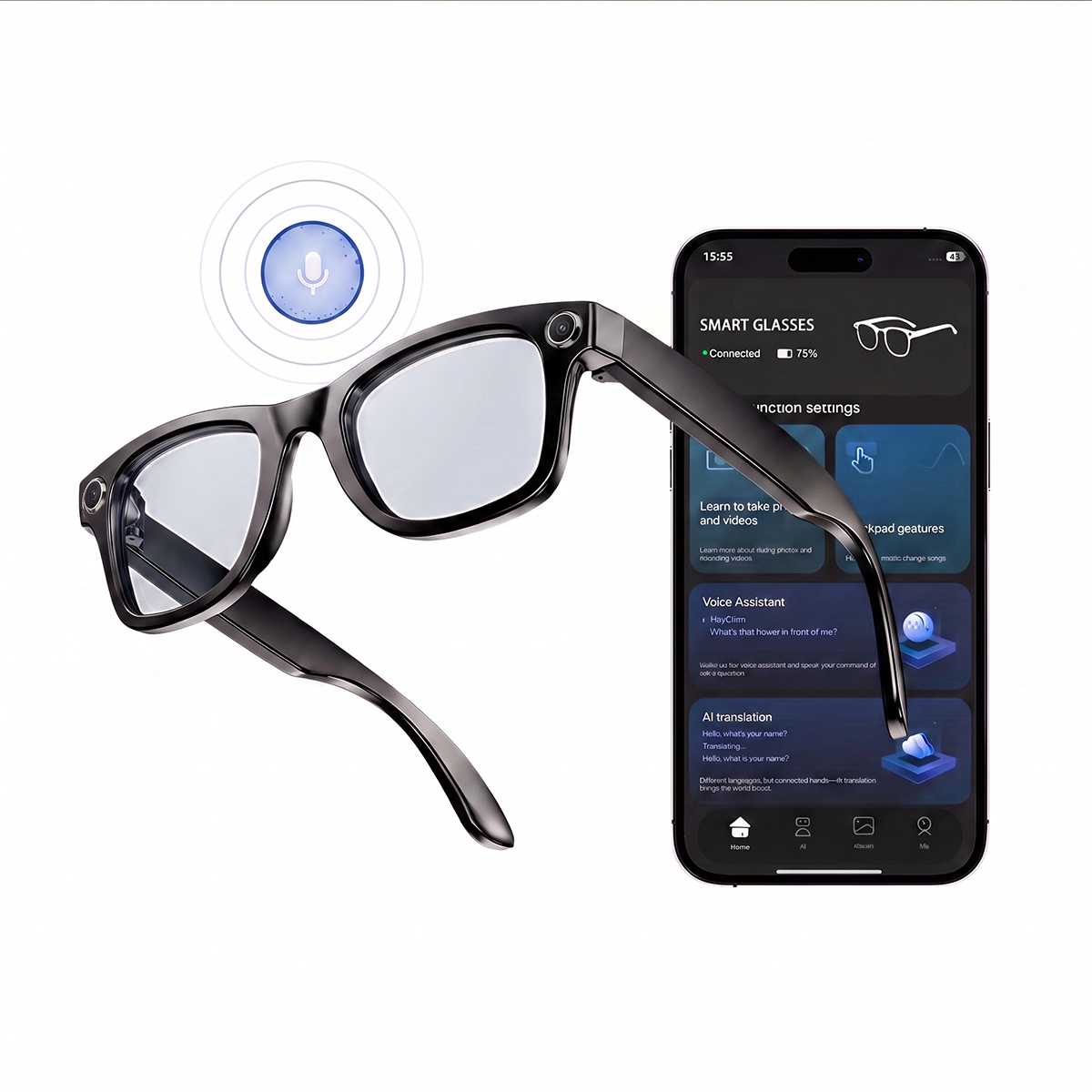
The Clorant AI Smart Glasses replace three things you’d otherwise carry. AI recognition, a voice assistant, photo and video, calls and music all sit in one 42 g (1.48 oz) frame 🕶️ — no camera, no earbuds, no phone in your hand.
The shot happens while it’s still happening. A high-speed shutter catches the frame the moment you press, so the dog doesn’t move first, and camera shake reduction works on the wobble that ruins handheld video on a bike. Wi-Fi transfer sends it to your phone, no cable, no extra app.
Ask about what’s in front of you. AI object recognition names something unfamiliar from one frame, and AI voice wake answers questions, translates a menu and takes a note — through open-ear speakers, so you still hear traffic and whoever is next to you.
You never have to look at them. Two buttons and a touch slider on the temple change volume, skip a track or take a call by feel. Wear detection pauses the music when you take them off and picks it up when you put them back on, and dual-mic noise reduction means callers hear you, not the subway.
Whether you’re on a trail with both hands full or holding a birthday cake, this pair’s all-in-one design records the moment without pulling you out of it. A light TR90 frame with titanium hinges and swappable blue-light and sunglass lenses keep it looking like eyewear, IP65 handles sweat and rain, and the maker rates the 270mAh battery at a day or two of moderate use.
Pros
AI object recognition and a voice assistant, both hands-free
8MP camera with up to 32MP interpolated output
High-speed shutter and camera shake reduction
Two physical buttons and a touch slider you can use by feel
Wear detection pauses and resumes as you take them on and off
Dual-mic noise reduction for calls in noisy places
Wi-Fi transfer to your phone with no cable or extra app
Built-in speakers with local music playback
TR90 frame with titanium hinges at 42 g (1.48 oz)
Interchangeable blue-light and sunglass lenses, IP65 rated
Cons
Occasionally out of stock due to strong demand
Delivery takes 1-2 days longer than major brands.
THE RESULT
The Clorant AI Smart Glasses stand out as 2026’s most complete everyday pair, combining AI recognition, POV capture and open-ear audio in a 42 g frame with interchangeable lenses. Its all-in-one coverage 🏆 and all-day fit justify a quick decision before peak-season stock runs out.

from Ray-Ban Meta
Overall Grade
B+
Rating
9.3/10
OVERALL ANALYSIS
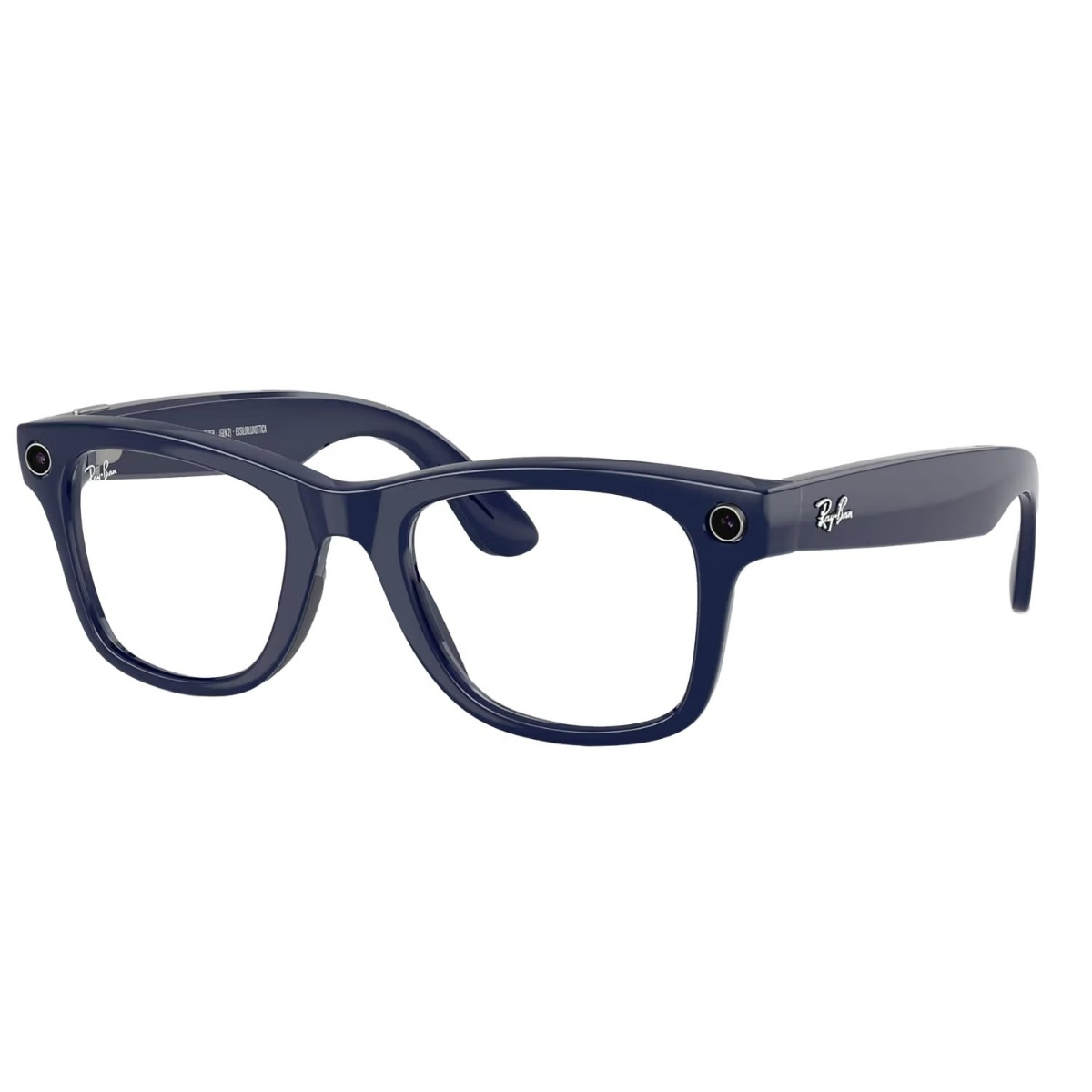
The Ray-Ban Meta Smart Glasses are the polished option. A 12MP ultra-wide camera shooting 3K HDR video 📷 is native resolution rather than an upscaled figure, and the software behind it has had years to mature.
The everyday numbers hold up. Meta rates it at over 8 hours of use with a charging case for more, and open-ear and spatial audio handle calls, music and AI replies without blocking the room.
Meta AI answers questions, gives real-time directions and translates across 20+ languages, and the frame line-up covers Wayfarer and other shapes with prescription and Transitions lenses available.
The cost is bulk, endurance and account terms. Reviewers describe standard frames as running tight and note nose-bridge marks after long wear, and heavy camera or high-res video use drops real runtime closer to five or six hours than eight. A large retailer review pool repeats limited sizing, lens darkness and occasional AI stability concerns, and the full experience needs a Meta account and companion app — a real barrier if you’d rather not join that ecosystem. It’s a strong buy for people who put camera quality and software polish first, as long as the account and the price sit right with you.
Pros
12MP ultra-wide camera with 3K HDR video
Rated at over 8 hours, with a charging case for more
Open-ear and spatial audio for calls, music and AI
Meta AI with real-time directions
Translation across 20+ languages
Wayfarer and other frame shapes to choose from
Prescription and Transitions lenses available
Cons
Standard frames run tight and leave nose-bridge marks over long wear
Heavy camera use drops real runtime to five or six hours
A Meta account and companion app are required for the full experience

from Rokid
Overall Grade
B+
Rating
9.0/10
OVERALL ANALYSIS
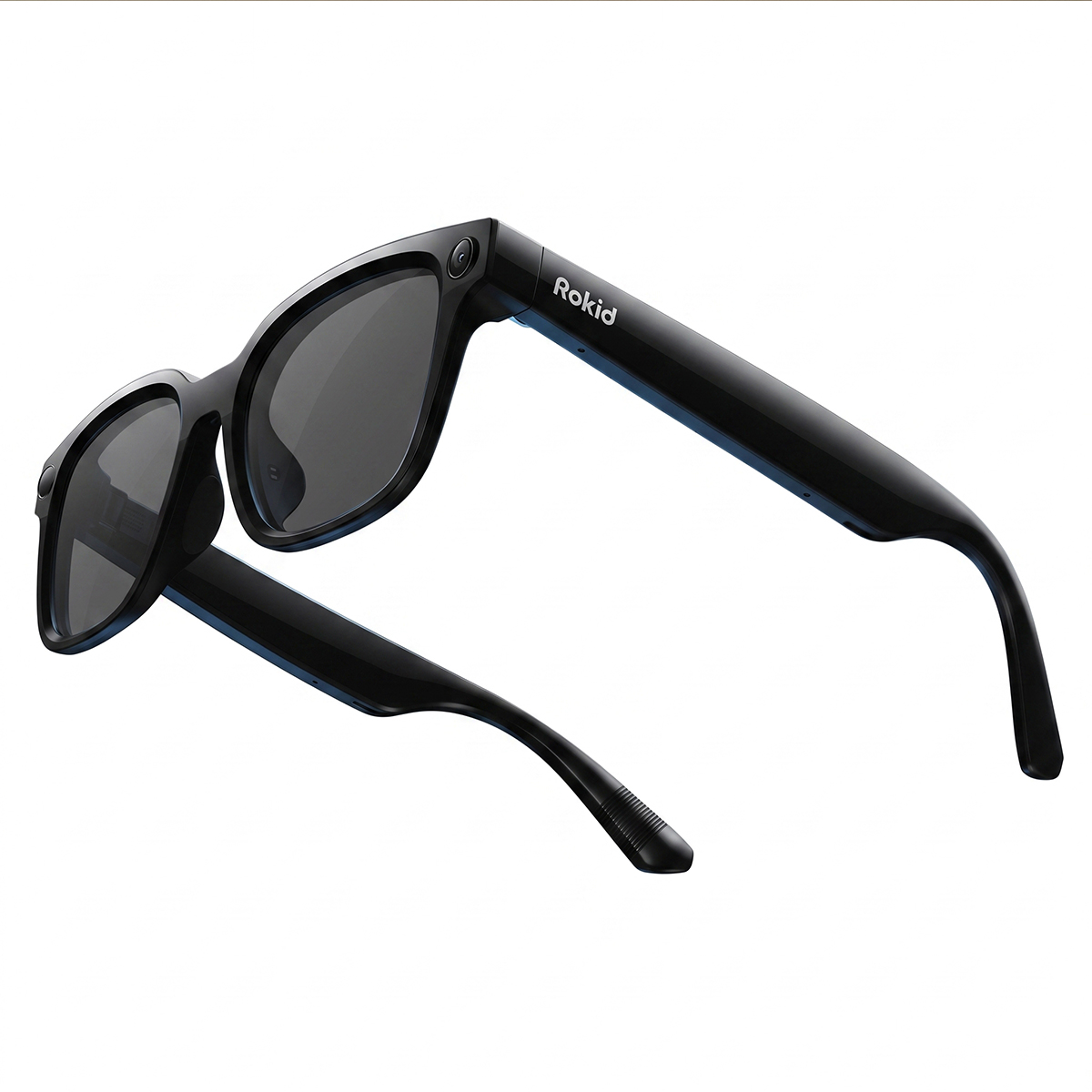
The Rokid AI Smart Glasses pair a light frame with serious camera hardware. A 12MP Sony sensor shoots up to 3K/30fps across a 109° field of view 🌏, and the frame alone weighs 38.5 g.
Storage and openness are the other draws. 32GB on board with single clips up to 10 minutes means a travel day doesn’t depend on a phone, Wi-Fi 6 and Bluetooth 5.3 handle transfer, dual open-ear speakers and a 4-mic array cover audio, and reviewers have run ChatGPT and Gemini on it rather than one locked assistant.
The polish hasn’t caught up with the hardware. The camera sits off-center, which makes POV framing harder, low-light quality drops away and a slight shutter delay blurs moving subjects; walking footage shows noticeable wobble and outdoor audio picks up wind. AI, translation and the companion app are described as hit-or-miss, there’s no charging case in the box and charging is proprietary and magnetic, and heavy mixed use falls well short of the ideal figures. It’s a good fit for travelers who want a light AI tool with real onboard storage, as long as you can work around the rough edges.
Pros
12MP Sony sensor with up to 3K/30fps video
38.5 g frame before lenses
32GB of onboard storage with 10-minute clips
Wi-Fi 6 and Bluetooth 5.3 for transfer
Dual open-ear speakers and a 4-mic array
Runs ChatGPT or Gemini rather than one locked assistant
Cons
Off-center camera makes POV framing harder
Walking footage wobbles and outdoor audio picks up wind
AI, translation and the app are described as hit-or-miss
No charging case, and charging is proprietary and magnetic

from OhO
Overall Grade
C+
Rating
8.6/10
OVERALL ANALYSIS
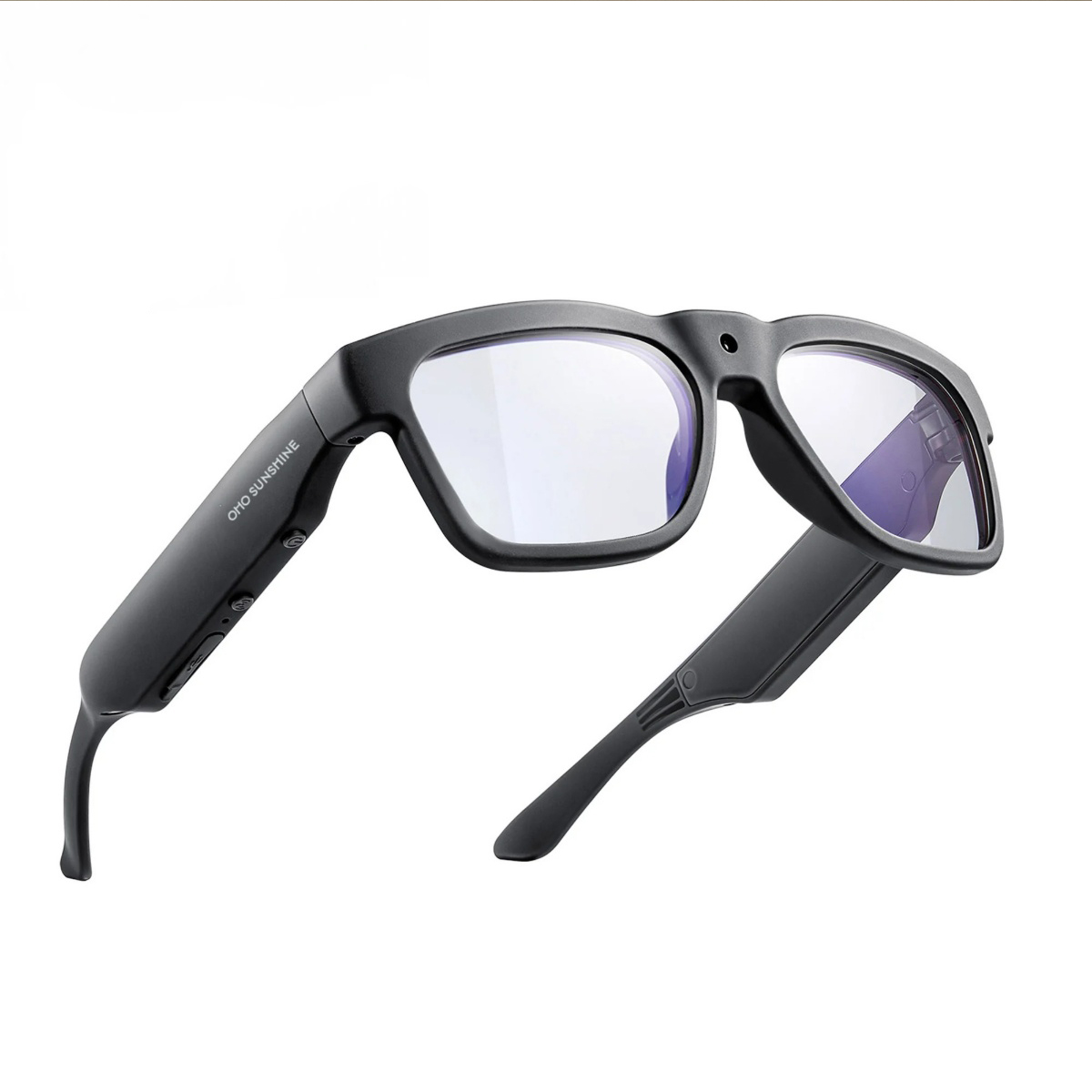
The OhO Smart Glasses are built around recording. A center-mounted camera shoots 4K/30fps 🎥, which is the layout that makes POV framing match what you’re actually looking at.
Storage is the other half of it. The glasses come in 64GB, 128GB and 256GB versions and can record while charging, so a long ride or a full day out doesn’t end when a buffer fills up.
The rest of the feature list is broad. AI two-way translation covers a claimed 165 languages, open-ear audio and a built-in mic handle calls, control runs through buttons, voice or app over Bluetooth 5.3, and photochromic UV400 lenses are swappable.
The trade-offs sit in the details. Buyers report heat during charging and sustained use, and third-party guides flag thermal limits on continuous 4K. Owners have also described muffled microphone and recorded audio, video stabilization that falls short, and iPhone connection failures — each a problem for a pair whose main job is walking video. The maker’s own product pages list inconsistent battery working times, so runtime isn’t a figure you can hold against anything else. It’s a sensible pick for people who want long 4K POV recording and local storage first, as long as polish matters less to you than footage.
Pros
Center-mounted camera shoots 4K/30fps
64GB, 128GB and 256GB storage options
Records while charging for long sessions
AI two-way translation with a claimed 165 languages
Photochromic UV400 lenses, swappable
Cons
Heat reported during charging and sustained use
Microphone and recorded audio described as muffled
Video stabilization falls short for walking footage
iPhone connection failures reported by buyers
Battery working time listed inconsistently by the maker

from Solos
Overall Grade
C
Rating
8.1/10
OVERALL ANALYSIS
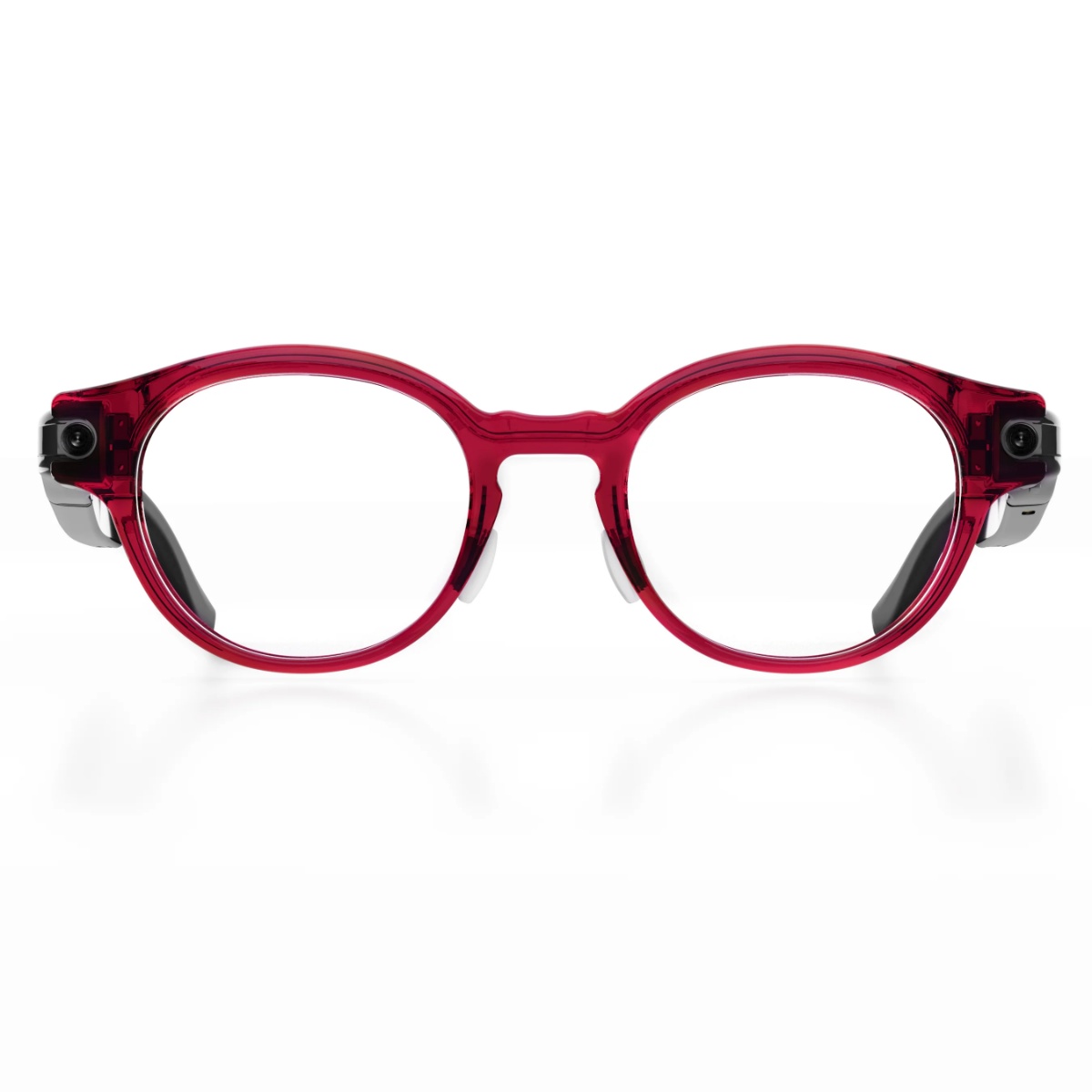
The Solos Smart Glasses are the AI-first option. SolosChat runs ChatGPT, Claude and Gemini 🤖, so you pick the model rather than accepting whichever assistant the hardware shipped with.
The camera is set up for sharing. 16MP stills and 2K video with stabilization sit alongside live streaming straight from the glasses.
Privacy is handled physically. An optional Privacy Kit and camera shield let other people see the camera is covered, which matters in an office, a classroom or a gym. The frame carries blue-light and prescription lens options and is rated IP54.
The software is where owners push back. The companion app carries a low rating with long-running complaints about updates making it buggier and AI responses being unreliable, and users report intermittent disconnects, with recent releases repeatedly fixing Wi-Fi, Bluetooth and sync. Translation errors and shifting language support come up too, the full experience depends on the app, a phone and cloud access with permission requests some users dislike, and the hardware only reached wide retail in 2026, so long-term durability and battery aging aren’t settled. It’s a reasonable pick for AI power users who want model choice and a physical camera shield, as long as you’ll put up with app troubleshooting.
Pros
SolosChat runs ChatGPT, Claude and Gemini
16MP stills and 2K video with stabilization
Live streaming straight from the glasses
Optional Privacy Kit with a physical camera shield
Cons
Companion app carries a low rating and recurring bug complaints
Intermittent disconnects, with repeated Wi-Fi and sync fixes
Translation errors and shifting language support reported
Full experience depends on the app, a phone and cloud access
Reached wide retail in 2026, so long-term durability isn’t settled
❓What Are Smart Glasses?
Smart glasses are an eyewear frame with a camera, speakers, microphones and an AI assistant built into the temples. The important thing to understand before buying is what they don’t have: there’s no screen in the lens. Translation, directions and AI answers come back as audio through the speakers or as text in a phone app, not as subtitles floating in front of your eye. That’s display AR, a different and far more expensive category, and listings blur the two constantly.
Megapixels are the most misread number here. A headline figure can be interpolated — software enlarging what a smaller sensor captured — while the native sensor is what actually decides detail, dynamic range and low-light performance. A pair listed at 32MP output from an 8MP sensor and a pair with a 12MP native sensor are not the same camera, whatever the bigger number suggests. Sensor position matters too: a center-mounted camera frames closer to what you’re looking at than one sitting off to one side.
Battery claims across brands can’t be lined up. One maker’s all-day figure assumes light audio and standby; another’s assumes video, AI vision and Wi-Fi transfer, which drain a frame this small far faster. Expect heavy camera and AI use to cut any headline figure roughly in half, and check what the companion app needs too — most AI and translation features route through a phone and a network, so a solid pair with an unstable app is still a frustrating pair.
Two practical things before you buy. Recording other people is governed by state law, and consent requirements for private conversations differ across the country, while venues like offices, gyms, schools and some stores set their own camera rules — glasses being on your face doesn’t make recording automatically fine. And check fit and returns carefully: temples on these are thicker than normal glasses, weight sits differently on the bridge, and having prescription lenses fitted can change what you’re able to send back.
🎯 Key Features & Advantages: Smart Glasses
The Moment Doesn’t Get Away: A pet, a kid or a view gets captured from where you’re standing instead of after the phone comes out.
Both Hands Stay Free: Cooking, cycling, carrying a toddler or holding trekking poles no longer rules out taking a photo or a call.
You Stay in the Room: Recording a birthday from inside it beats watching it through a screen held up in front of your face.
Answers Without Typing: Point your eyes at something unfamiliar and ask, instead of describing it into a search box.
Menus and Signs Stop Being a Wall: Translation turns a foreign menu into something you can order from without a phone on the table.
You Hear the Music and the Street: Open-ear audio leaves traffic, announcements and conversations audible while you listen.
One Pair Instead of Three Devices: Camera, earbuds and assistant collapse into something you were going to wear anyway.
Voice Notes Beat Walking and Typing: Three follow-ups recorded in the hallway are three things you don’t forget by the elevator.
🔍 Smart Buying Guide: Smart Glasses
Native Sensor, Not Output Number: Find the sensor resolution behind the headline megapixels, because that is what decides image quality.
Where the Camera Sits: A center-mounted lens frames what you’re looking at; an off-center one takes practice to aim.
Match Battery Claims to Your Use: Video, AI vision and transfer drain far faster than audio, so read which pattern the figure assumes.
How Much the App Has to Do: Check whether AI, translation and transfer need a phone, an account and a connection every time.
Weight and Temple Thickness: These sit heavier on the bridge than normal glasses, so try a pair on before a long day with them.
Lens Options and Returns: Decide whether you need swappable tints or prescription lenses before you shop, and check what having lenses fitted does to your return window.
Read the IP Rating Literally: Water-resistant covers sweat and rain; it isn’t a rating for swimming, rinsing or submersion.
⚠️ Smart Shopper Alert: Smart Glasses
Reading Interpolated Megapixels as Sensor Quality: Software upscaling adds pixels, not detail, dynamic range or low-light performance.
Expecting a Display in the Lens: No-display AI glasses answer through audio or a phone app, and AR display eyewear is a different purchase entirely.
Comparing Battery Figures Across Brands: Every maker defines typical use differently, so the numbers aren’t measuring the same thing.
Assuming Recording Anywhere Is Fine: Consent rules for private conversations vary by state, and venues set their own camera policies.
Ignoring Six Months of Software Support: These depend on firmware and apps, and features can shrink or connections degrade after an update.
By Theo Marchetti
Theo Marchetti is a seasoned Wearable Tech Analyst with years of experience testing over 32 smart glasses and head-worn cameras. Specializes in performance evaluation of everyday AI eyewear for travel, commuting and hands-busy use.