In-Depth Product Analysis for Informed Consumer Choices

Best 5 Smart Video Doorbells of 2026
A Clearer View for a Safer Home
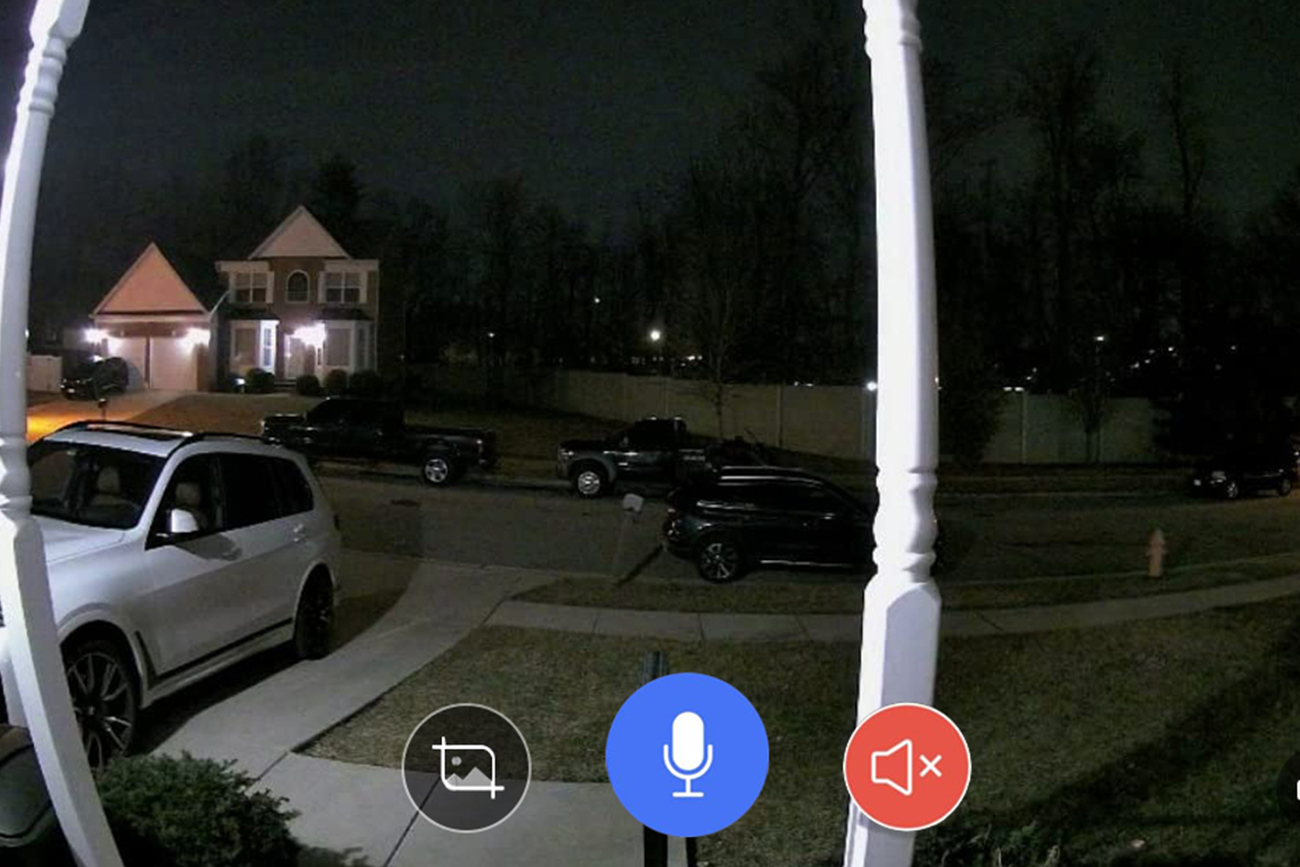
The box was on the porch at 2:40 — the delivery app said so — and by the time you got home it wasn’t 📦. Nobody saw anything, there’s nothing to show anyone, and you’re out whatever was inside it.
That’s the moment most people finally buy a video doorbell. The second one is the knock at 10 p.m. you didn’t answer because you had no idea who was out there. Both come down to the same thing: you can’t see your own front door unless you’re standing at it.
Buying one is where it gets complicated. Resolution gets quoted loudest, but a 4K sensor behind a wall the Wi-Fi barely reaches, or an alert that lands ten seconds after the driver walks away, solves nothing. We tested 30 doorbells and judged every one on the same four things: what you can see, how fast the alerts arrive, how long it runs between charges, and what it takes to install and be heard indoors.
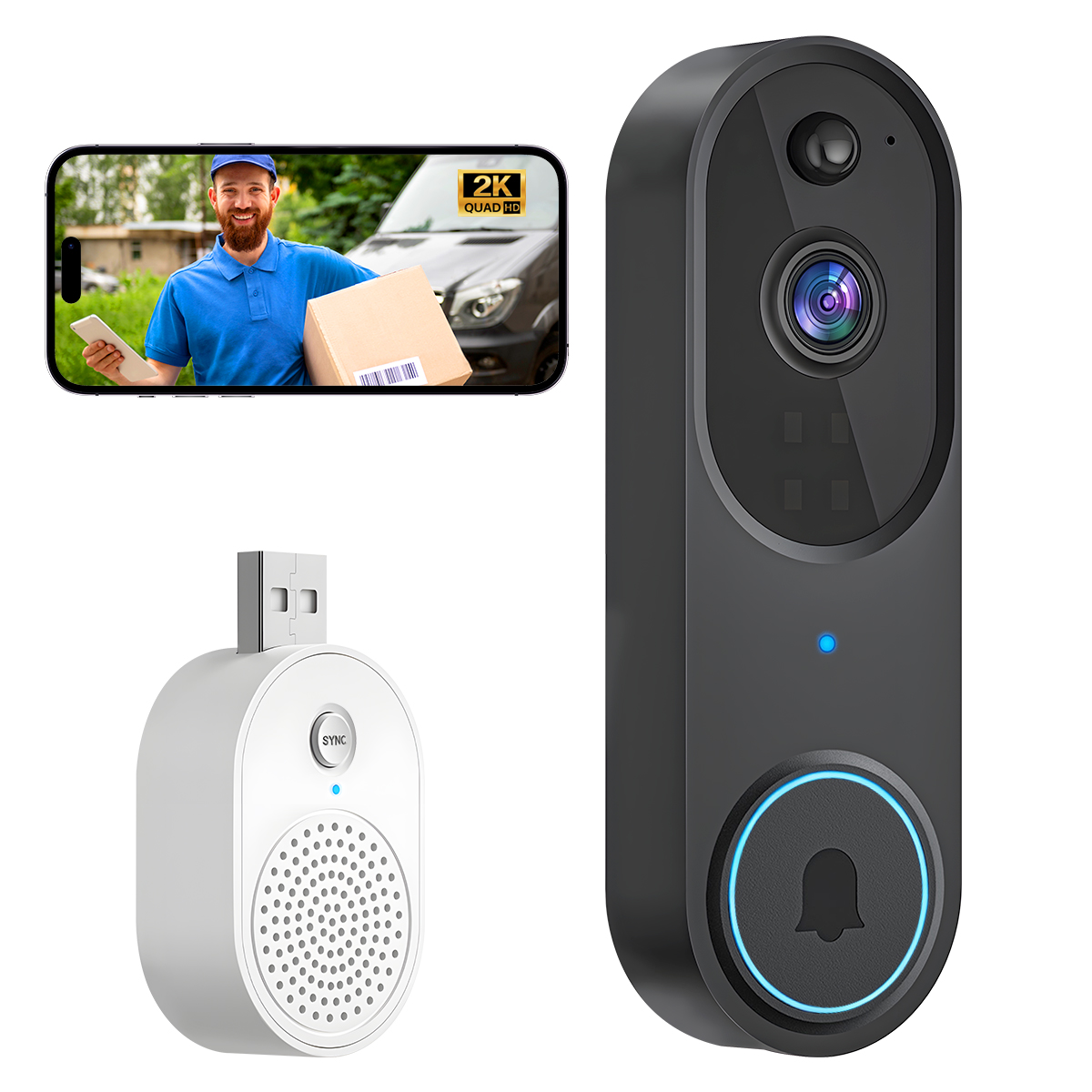
The one that fits the most homes is the Clorant Smart Video Doorbell. 2K video with infrared night vision across a 120° view 🔔, PIR and AI human detection to keep the alerts meaningful, and 40 to 60 days per charge — mounted with no wiring, with a plug-in indoor chime already in the box.
Below is what to look for, what to avoid, and how the five compare. Three of the five run on batteries, one adds a hub, and one won’t work at all unless there’s already wiring and a mechanical chime behind your existing button.

By Kyle Brennan
Kyle Brennan is a seasoned Home Security Analyst with years of experience testing over 30 video doorbells and entry cameras. Specializes in performance evaluation of battery-powered doorbells for renters, older homes and entrances without existing wiring.
Our Evaluation Standards
What You Can See When It Matters
Evaluated the view after dark, against a bright sky and with a porch light on, and whether a package left at someone's feet is actually inside the frame
Alerts That Arrive in Time
Tested how quickly a notification reaches a phone and how much of what arrives is a person rather than a car, a dog or a moving shadow
How Long It Runs Between Charges
Measured stated runtime against a busy front door rather than a quiet one, since that's the number that decides how often it comes off the wall
Installing It and Being Heard Indoors
Assessed what stands between the box and a working doorbell, and what happens inside the house when the phone is face-down on a counter

from Clorant
Overall Grade
A+
Rating
9.6/10
OVERALL ANALYSIS
The Clorant Smart Video Doorbell answers the door from wherever you are. 2K video through a 120° wide-angle lens on a 1/2.7-inch sensor shows who’s on the porch, two-way audio lets you talk to them from an office or a car 🔔, and infrared night vision switches over automatically, so the 10 p.m. visitor is as identifiable as the one at noon.
The alerts are about people, not passing cars. PIR sensing paired with AI human detection filters vehicles, animals and moving shadows before anything reaches your phone, so a busy street doesn’t turn into fifty notifications a day and the ones that arrive are worth opening.
The whole house hears it, not just whoever is holding a phone. A plug-in indoor chime comes in the box and goes into any outlet — no smart speaker to own first, no separate accessory to order, and no depending on one person’s notification settings.
You’re not charging it every few weeks. A 16850mAh battery runs 40 to 60 days between charges depending on how busy your door is — a handful of trips off the wall a year rather than monthly, which is the difference between a device you maintain and one you forget about.
Whether you’re renting a townhouse or covering a side entrance nobody ever wired, this doorbell’s no-wiring setup keeps the whole thing to one device and one outlet — no transformer to identify, no mechanical chime to match, no electrician to book. IP65 handles rain and dust on an ordinary porch. It’s the least you have to think about for the most you get to see.
Pros
2K video through a 120° wide-angle lens on a 1/2.7-inch sensor
Infrared night vision with automatic day and night switching
Live view and two-way audio from anywhere
PIR sensing with AI human detection filters cars and animals
Plug-in indoor chime included in the box
16850mAh battery runs 40 to 60 days between charges
Battery-powered, so no existing doorbell wiring is needed
No transformer to identify and no electrician to book
IP65 against rain and dust on an ordinary porch
Supports both 2.4GHz and 5GHz Wi-Fi connections
Cons
Occasionally out of stock due to strong demand
Delivery takes 1-2 days longer than major brands.
THE RESULT
The Clorant Smart Video Doorbell stands out as 2026’s most complete everyday pick, pairing 2K night-capable live view and human-only alerts with an indoor chime in the box and 40 to 60 days per charge. Its one-device install 🏆 and low upkeep justify a quick decision before peak-season stock runs out.

from Ring
Overall Grade
B+
Rating
9.3/10
OVERALL ANALYSIS
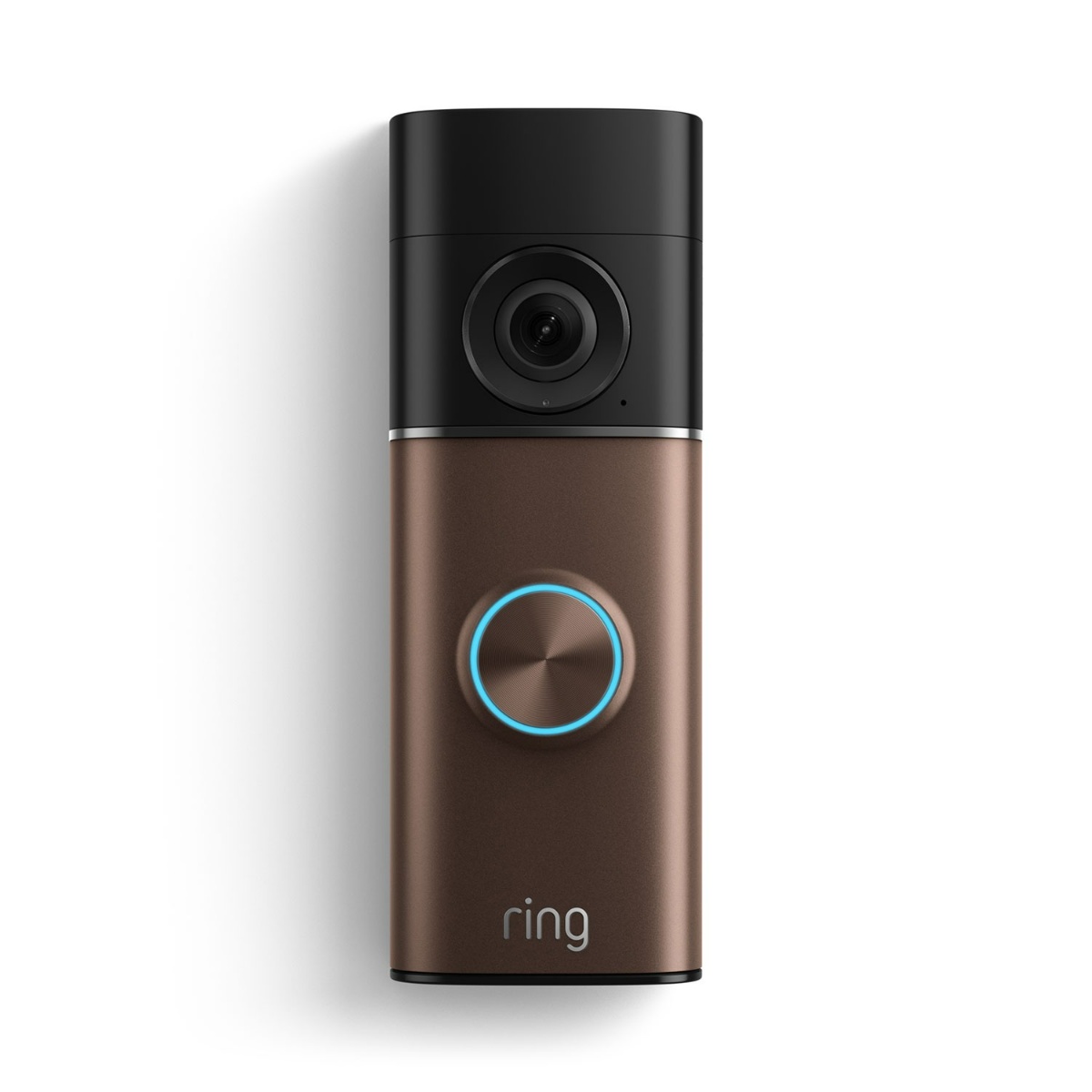
The Ring Video Doorbell is built for a house set back from the street. Up to 10x enhanced zoom 📷 turns a figure at the end of the driveway into a face you can actually identify.
The frame is shaped for a porch, not a hallway. A 140° × 140° head-to-toe view puts a visitor and the package at their feet in one frame, and 3D radar motion detection draws far finer zones than a PIR sensor can.
The rest is built for a modern house. Wi-Fi 6 across 2.4 and 5GHz, two-way talk with Audio+, and a quick-release battery pack you swap without taking the unit off the wall. It’s rated from -4°F to 122°F.
What it asks for is bandwidth, budget and setup time. Full recorded history and the smarter detection features sit behind a subscription, the video stream wants at least 15 Mbps upload or it quietly drops quality, and owners describe spending real time tuning zones — a lawnmower setting off an alert on every pass is a common complaint. The indoor chime is an accessory rather than something in the box, so without a compatible speaker already in the house, indoor ringing becomes another purchase. It’s a strong buy for people who want long-range detail and a full smart-home setup, as long as you’ll pay for the plan and have the upload to match.
Pros
Up to 10x enhanced zoom for a long driveway or walkway
140° × 140° head-to-toe view shows visitor and package together
3D radar motion detection for fine motion zones
Wi-Fi 6 across both 2.4 and 5GHz bands
Two-way talk with Audio+
Quick-release battery pack swaps without removing the unit
Rated from -4°F to 122°F
Cons
Recorded history and smarter detection need a subscription
The video stream wants 15 Mbps upload or quality quietly drops
Indoor chime is a separate accessory, not in the box

from eufy
Overall Grade
B+
Rating
9.0/10
OVERALL ANALYSIS
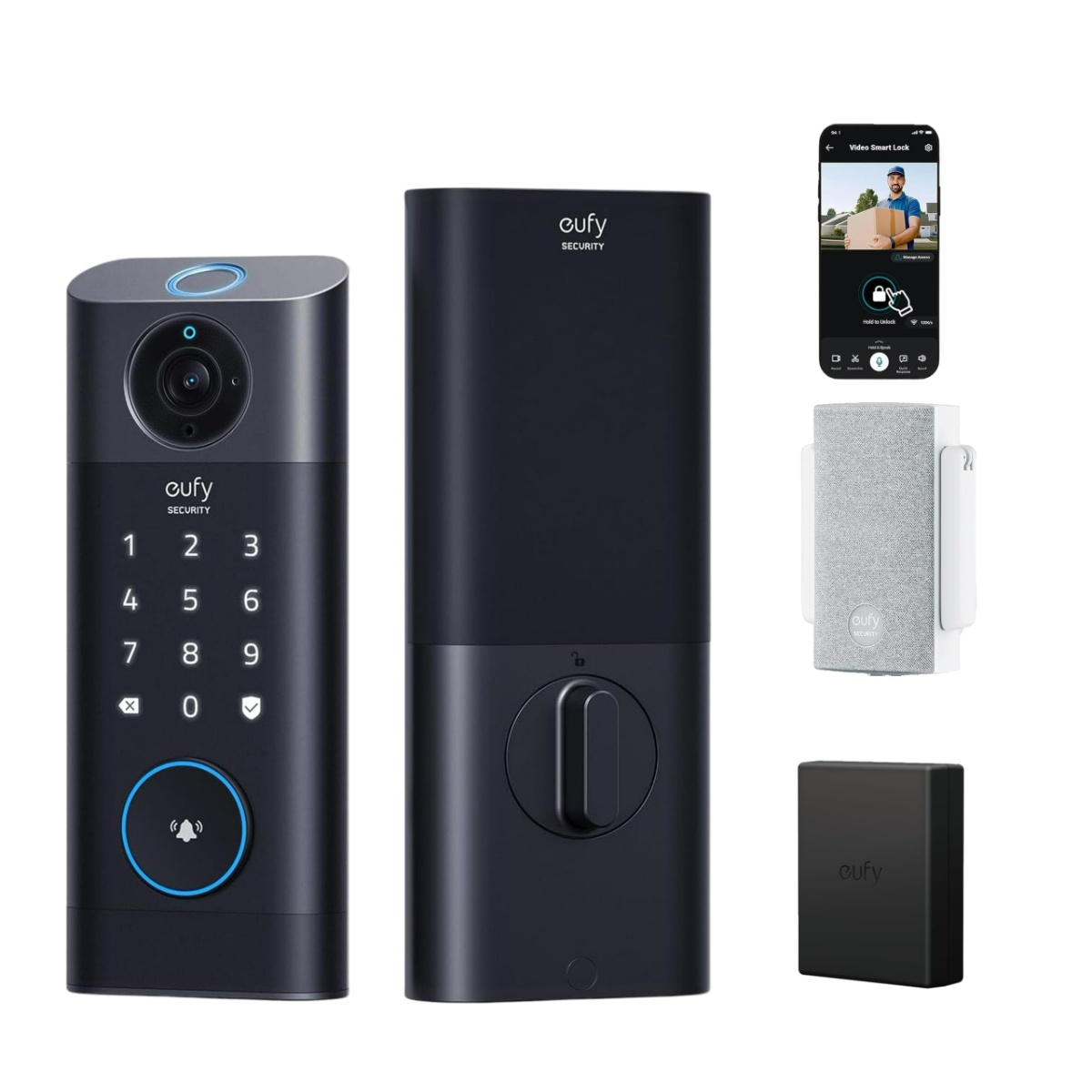
The eufy Video Doorbell has a second camera pointed at your doormat. A 2K front camera covers the visitor while a 1080p package camera looks down at the step 📦 — the part of a porch a forward-facing lens doesn’t always reach.
It keeps your footage at home. 16GB of local storage in the HomeBase means basic recording and playback aren’t tied to a monthly plan. Radar plus PIR dual motion detection with package, waiting and human AI sorts what’s happening before it reaches your phone, the battery is rated at 3 to 6 months, and it’s IP65 from -4°F to 122°F.
The setup and the responsiveness are the trade. It needs the HomeBase — another box to power, place and connect — which is the opposite of a one-device install. The app lags when you open live view, which costs you the seconds a visitor is still standing there, and two-way audio has enough delay that people end up talking over each other. Even with sensitivity turned down, a busy sidewalk still produces a lot of human alerts, and there’s no Apple HomeKit support. It’s a good fit for households with heavy package traffic that would rather add a hub than a subscription, as long as you’ll spend some time on setup.
Pros
2K front camera plus a 1080p package camera aimed at the step
16GB of local storage in the HomeBase, no plan required
Radar and PIR dual motion detection
Package, waiting and human AI detection
Battery rated at 3 to 6 months
IP65 and rated from -4°F to 122°F
Cons
Needs the HomeBase, so it’s two devices to set up
Live view lags when you open the app
Two-way audio delay makes people talk over each other
No Apple HomeKit support

from Google Nest
Overall Grade
C+
Rating
8.6/10
OVERALL ANALYSIS
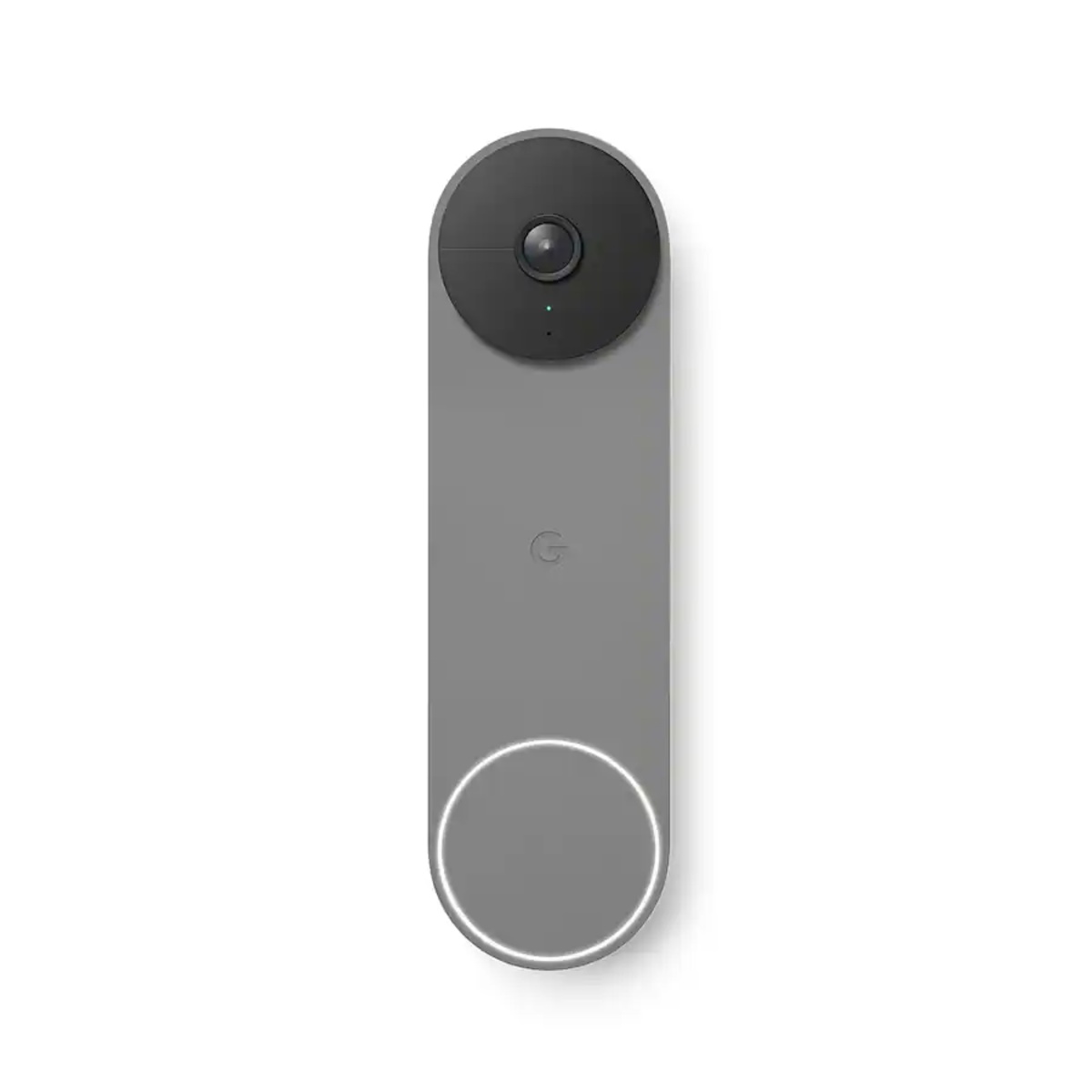
The Google Nest Video Doorbell fits a house that’s already Google. If you have Nest speakers or displays, it drops into the same app and the same routines 🏠 with no second ecosystem to learn.
The framing is smart. A 3:4 vertical view at 145° diagonal shows a visitor head to toe along with the ground in front of them, with HDR, night vision and 6x digital zoom.
You get some history without paying for it. Three hours of event video is included, which covers checking who rang while you were at lunch, and two-way audio with noise cancellation helps on a windy porch.
Battery and cold weather are the sticking points. Google’s own figures put a busy door at about one month — quiet doors reach six, but a busy front door is the one most people have — and battery life is among the most common complaints owners raise. Below 32°F the battery won’t charge at all, which turns winter into a planning problem in cold states. The 960×1280 sensor sits well behind the 2K and 4K options here, connectivity and notification delays come up repeatedly, and there’s no plug-in chime in the box. It’s a sensible pick for households already running Google Home, as long as your door isn’t busy and your winters aren’t hard.
Pros
Drops into an existing Google Home setup with no new app
3:4 vertical view at 145° shows visitor and ground together
HDR, night vision and 6x digital zoom
Three hours of event history included without a plan
Two-way audio with noise cancellation
Cons
A busy door runs about a month per charge
The battery will not charge below 32°F
960×1280 sensor sits behind the 2K and 4K options here
Connectivity and notification delays come up repeatedly
No plug-in chime in the box

Overall Grade
C
Rating
8.1/10
OVERALL ANALYSIS
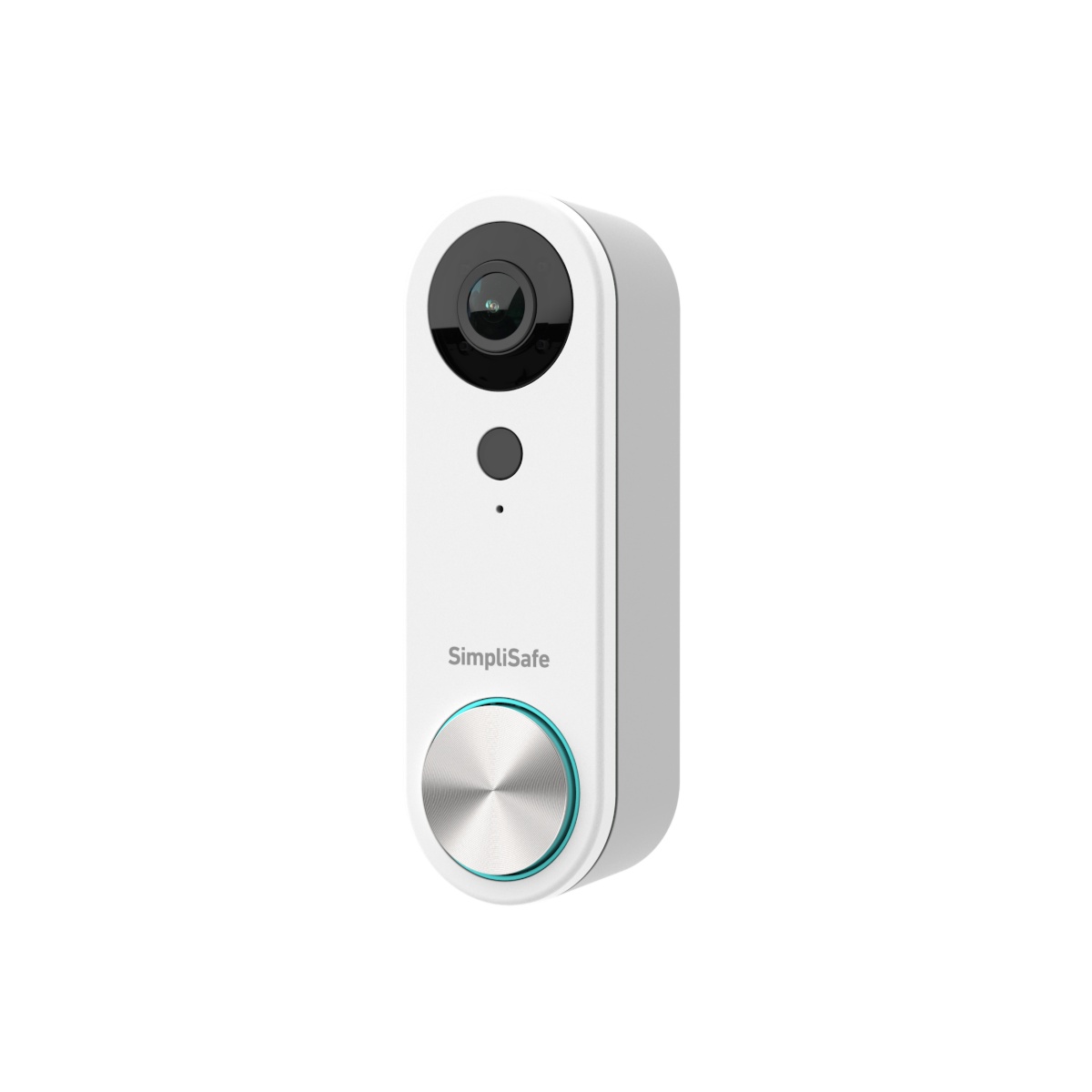
The SimpliSafe Video Doorbell is the wired one, and it’s here for a reason. If your house already has doorbell wiring and a mechanical chime, it never needs charging 🔌 — the maintenance question simply doesn’t come up.
The view is wide. 1080p at a 162° field of view with pan and zoom, night vision and two-way audio covers an ordinary front door comfortably.
The detection is layered. PIR heat sensing plus human-form video analytics means it’s looking for a person rather than any movement at all, and basic use doesn’t force a monitoring subscription.
Everything depends on what’s already in your wall. It requires existing doorbell wiring, an 8–24VAC transformer and a mechanical chime — and it doesn’t work with a digital chime, which some installs only solve with an extra connector. That rules out most renters, apartments, side doors and older homes, which is exactly who battery doorbells exist for. Wi-Fi connectivity is the most concentrated complaint in owner feedback, live view lags and audio cuts out often enough to notice, and its smart features are simpler than the battery rivals here. It’s a reasonable pick for homeowners already inside the SimpliSafe system with compliant wiring, as long as you’ve confirmed what’s behind your existing button.
Pros
Wired power means it never needs charging
1080p at a 162° field of view with pan and zoom
PIR heat sensing plus human-form video analytics
Basic use doesn’t force a monitoring subscription
Cons
Requires existing wiring, a transformer and a mechanical chime
Not compatible with a digital chime
Rules out renters, apartments and homes without wiring
Wi-Fi connectivity is the most concentrated owner complaint
Live view lags and audio cuts out often enough to notice
❓What Is a Video Doorbell?
A video doorbell is a camera, a microphone, a speaker and a button in one housing at your front door. It sends you a live view and an alert when someone presses it or walks up, and it lets you talk to that person from wherever you are. The split that matters most is how it’s powered. Battery-powered models screw to the door frame and need nothing behind them. Wired models run off your existing doorbell wiring and a low-voltage transformer, so they never need charging but can only go where that wiring already is.
Wireless is a slippery word here. On most listings it describes the Wi-Fi connection, not the power, and a wired doorbell advertised as wireless still needs a transformer and a compatible chime in the wall. That single detail decides whether a renter, an apartment or a side door is even in the running. The other half of the question is what happens inside the house: some doorbells include a plug-in chime, some assume you already own a smart speaker, and wired ones ring the mechanical chime you already have. If someone in the house doesn’t watch their phone, settle that before you start comparing resolution.
Resolution decides less than the marketing suggests. What actually determines whether you recognize someone at the door is a mix of sensor size, HDR against a bright sky or a porch light, night vision, field of view, aspect ratio and how much upload bandwidth your connection has — a 4K stream on a slow connection quietly drops to something lower. Battery figures work the same way: makers publish quiet, typical and busy scenarios, and those can differ by a factor of six, so read the number that matches the door you actually have.
Three things people find out after buying. Recording and playback often live behind a subscription, so check what you keep and for how long without one before you decide. IP ratings describe dust and water only — an IP65 rating says nothing about lightning, wind pressure or years of UV exposure, and some batteries stop charging below freezing regardless. And test the Wi-Fi where the doorbell will actually sit: a front door is usually behind an exterior wall, and if live view takes eight seconds to open, two-way talk stops being useful.
🎯 Key Features & Advantages: Video Doorbells
You Stop Opening the Door to Find Out: A glance at your phone answers who’s there before anyone touches a handle.
Packages Stop Disappearing Quietly: You know a box arrived, where it was left, and whether anyone came back for it.
Deliveries Get Directed From Anywhere: Two-way audio means telling a driver to leave it behind the bench works from an office or an airport.
The 2 a.m. Alert Gets Resolved in Bed: Night vision turns a noise outside into a raccoon or a person without going downstairs.
Everyone in the House Hears the Bell: A plug-in chime means the doorbell doesn’t depend on one person’s notification settings.
Renters Get Covered Too: Battery power means no wiring, no drilling into a transformer and no conversation with a landlord.
Vacations Stop Being Blind Spots: Alerts and live view mean you know what happened at the door while you were away.
Kids Getting Home Gets Confirmed: You see them arrive and can talk to them before you’re back yourself.
🔍 Smart Buying Guide: Video Doorbells
Check What’s Behind Your Existing Button First: Wiring, transformer voltage and whether your chime is mechanical or digital decide half the field before you compare features.
Decide How the House Will Hear It: An included chime, a smart speaker you already own or existing mechanical wiring are the three routes, and only one of them costs nothing extra.
Read the Battery Figure That Matches Your Door: Makers publish quiet, typical and busy runtimes, and a busy front door is the one most households actually have.
Price the First Year, Not Just the Doorbell: Work out what recording and playback add on top of the hardware over twelve months, and how long footage is kept.
Test the Wi-Fi at the Door, Not in the Hallway: An exterior wall between the router and the doorbell is the most common cause of slow live view.
Look at Vertical Coverage, Not Just the Wide Number: A larger horizontal field of view doesn’t help if the camera can’t see the ground where packages land.
Check Charging Temperature if Winters Are Cold: Some batteries stop charging below freezing, which turns a January recharge into a trip indoors.
⚠️ Smart Shopper Alert: Video Doorbells
Reading Wireless as Battery-Powered: On most listings wireless describes the Wi-Fi, and the doorbell still needs wiring in the wall.
Buying Resolution and Ignoring the Upload: A 4K doorbell on a slow connection drops quality on its own, and you never see the stream you paid for.
Taking a Quiet-Scenario Battery Figure as Your Own: Event count, clip length, live view and cold weather all draw power, and a busy door can cut a figure to a fraction.
Treating an IP Rating as All-Weather Proof: IP65 covers dust and water only — not lightning, not wind pressure, not years of sun on a south-facing porch.
Assuming Encryption Means No Privacy Questions: An encryption standard is one part of it; account security, retention, third-party access and deletion policies are the rest.
By Kyle Brennan
Kyle Brennan is a seasoned Home Security Analyst with years of experience testing over 30 video doorbells and entry cameras. Specializes in performance evaluation of battery-powered doorbells for renters, older homes and entrances without existing wiring.